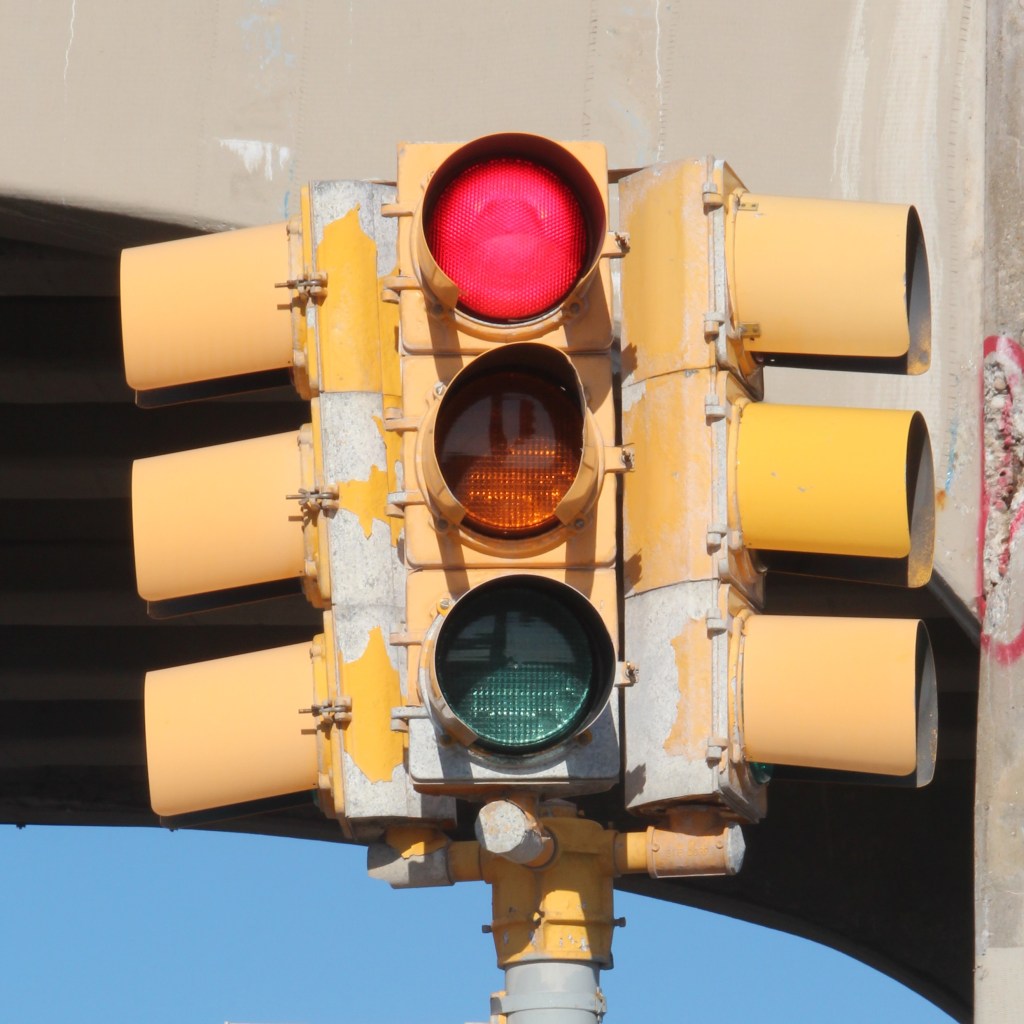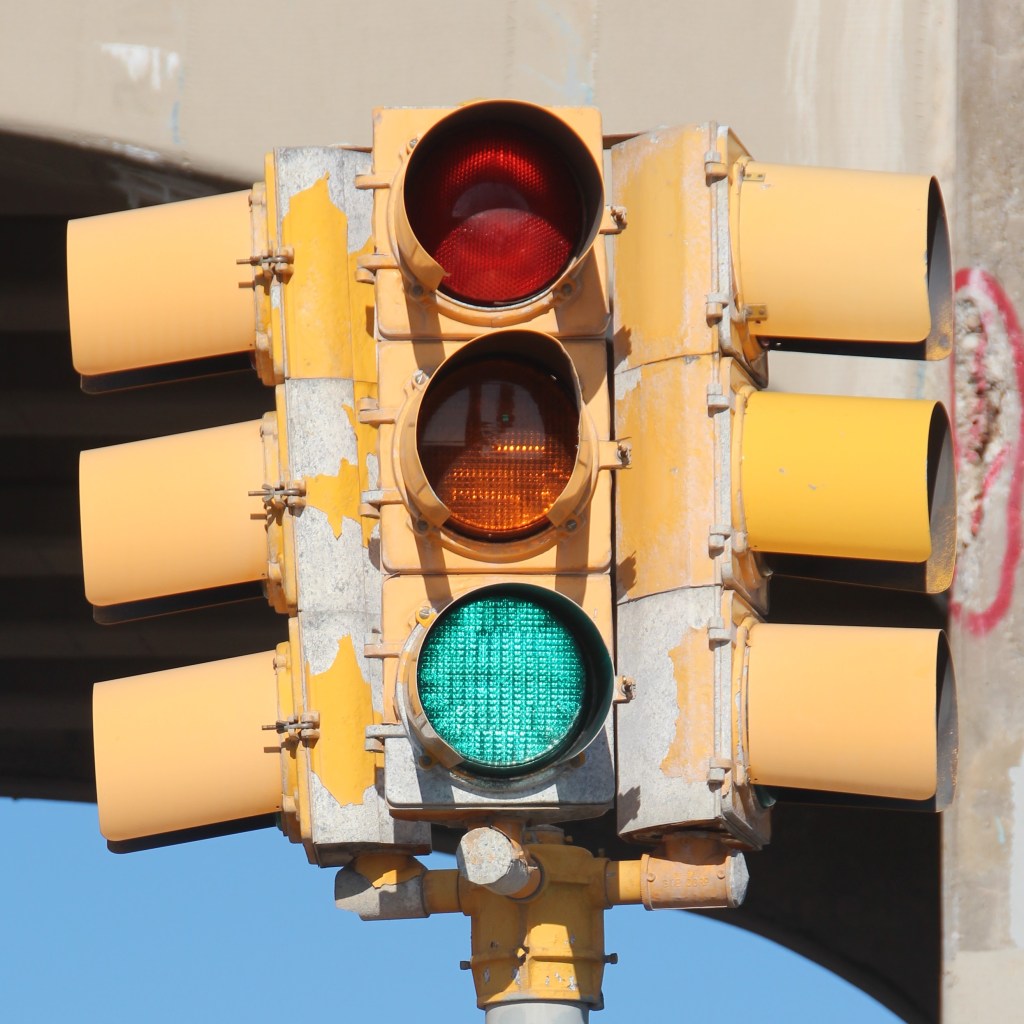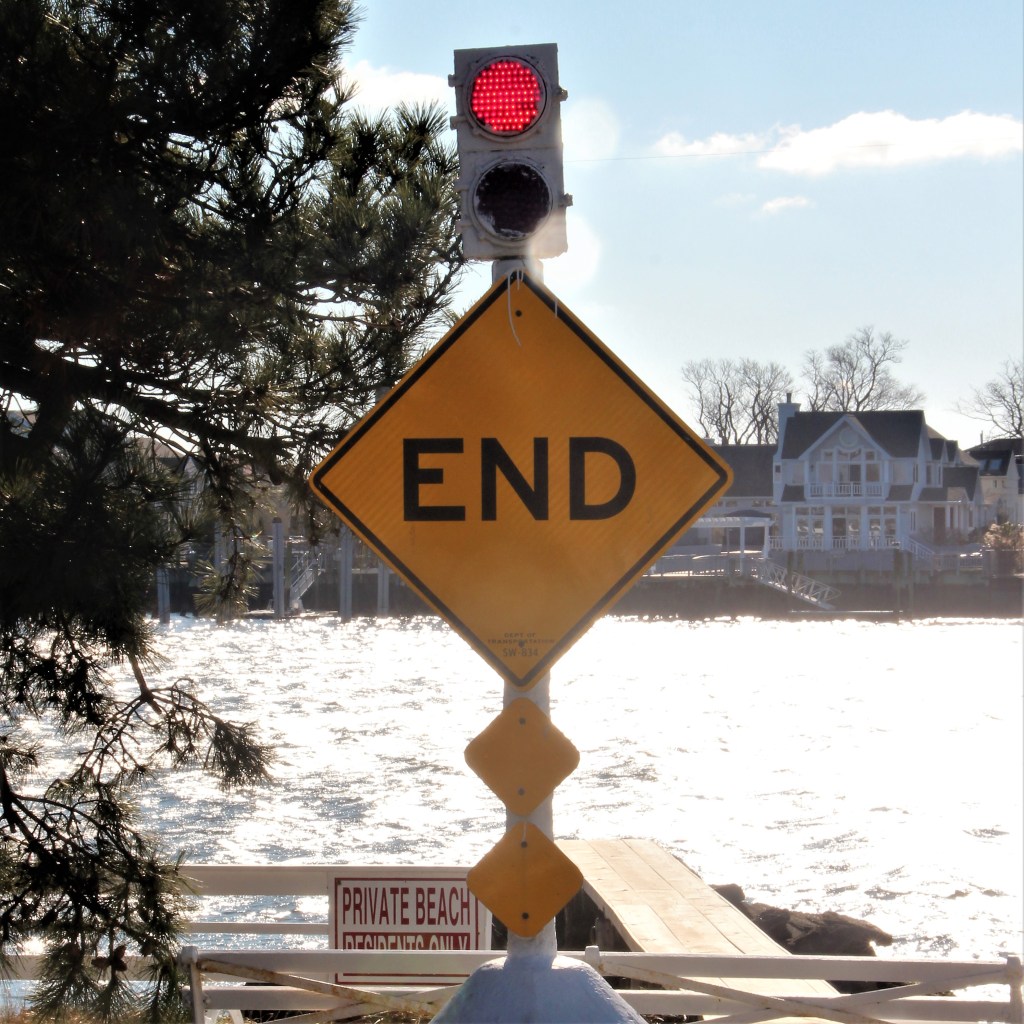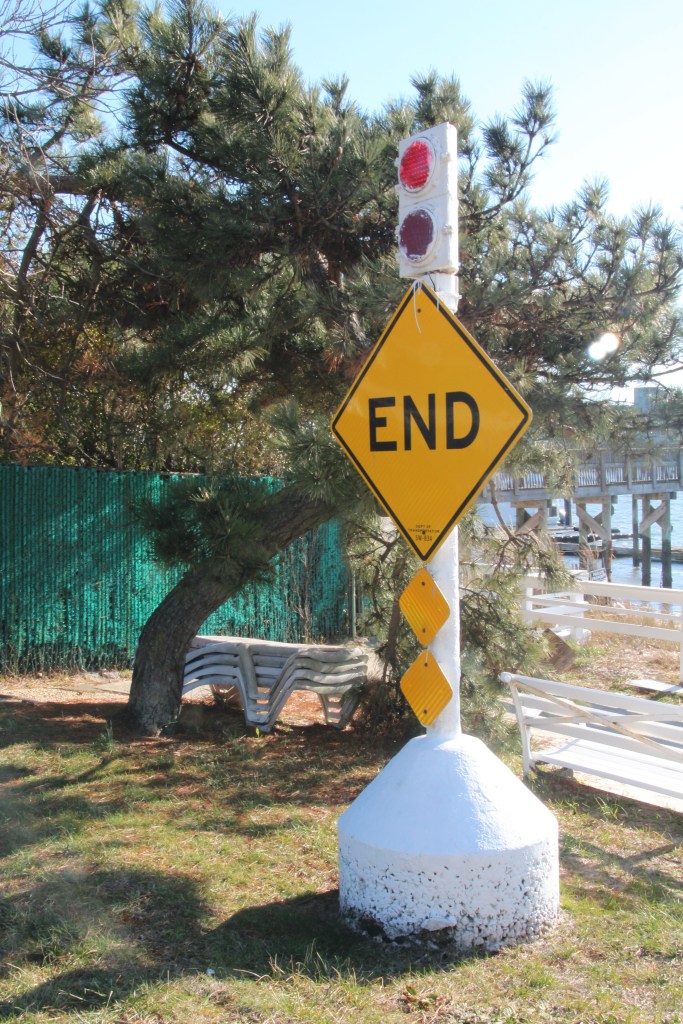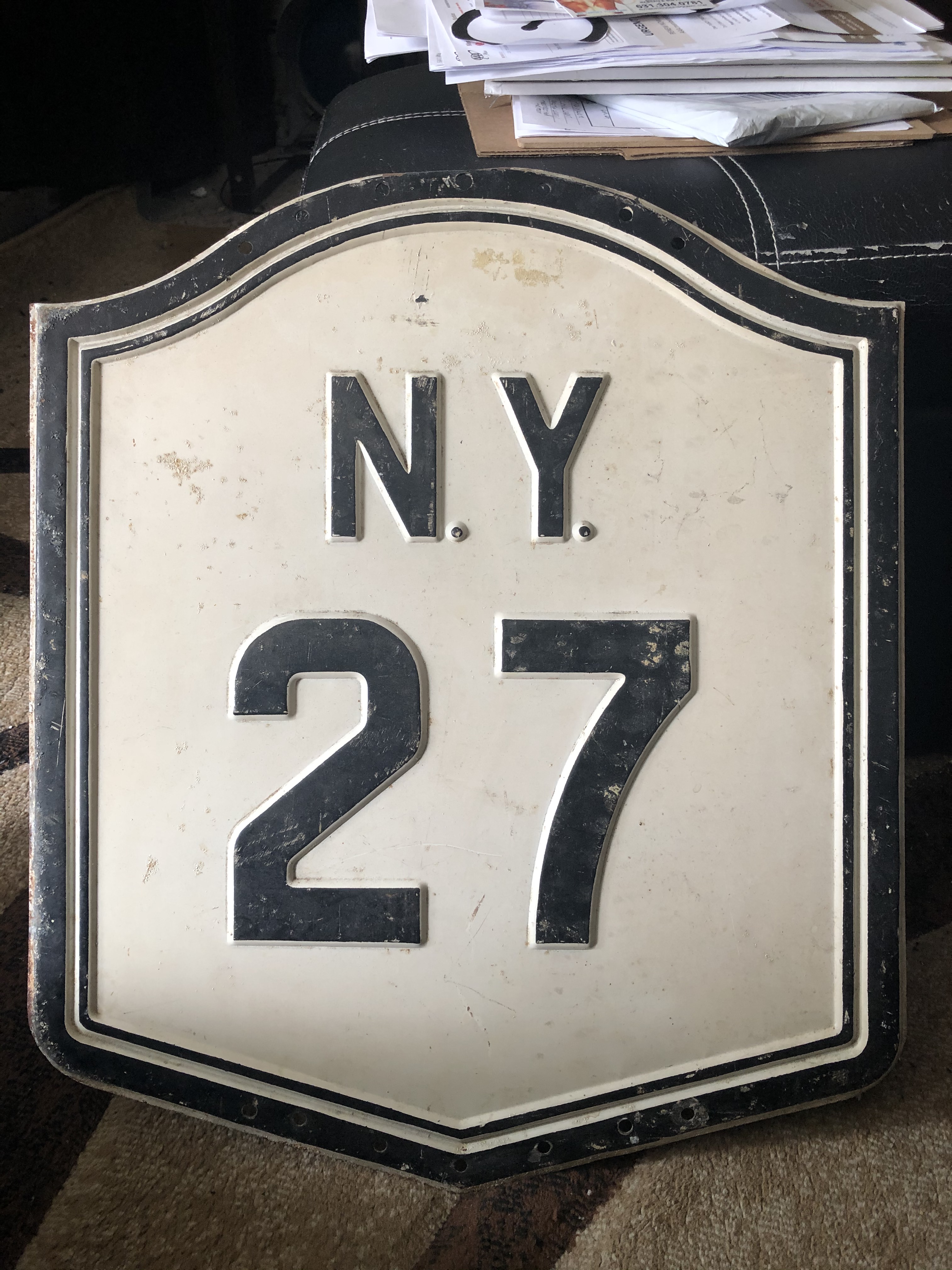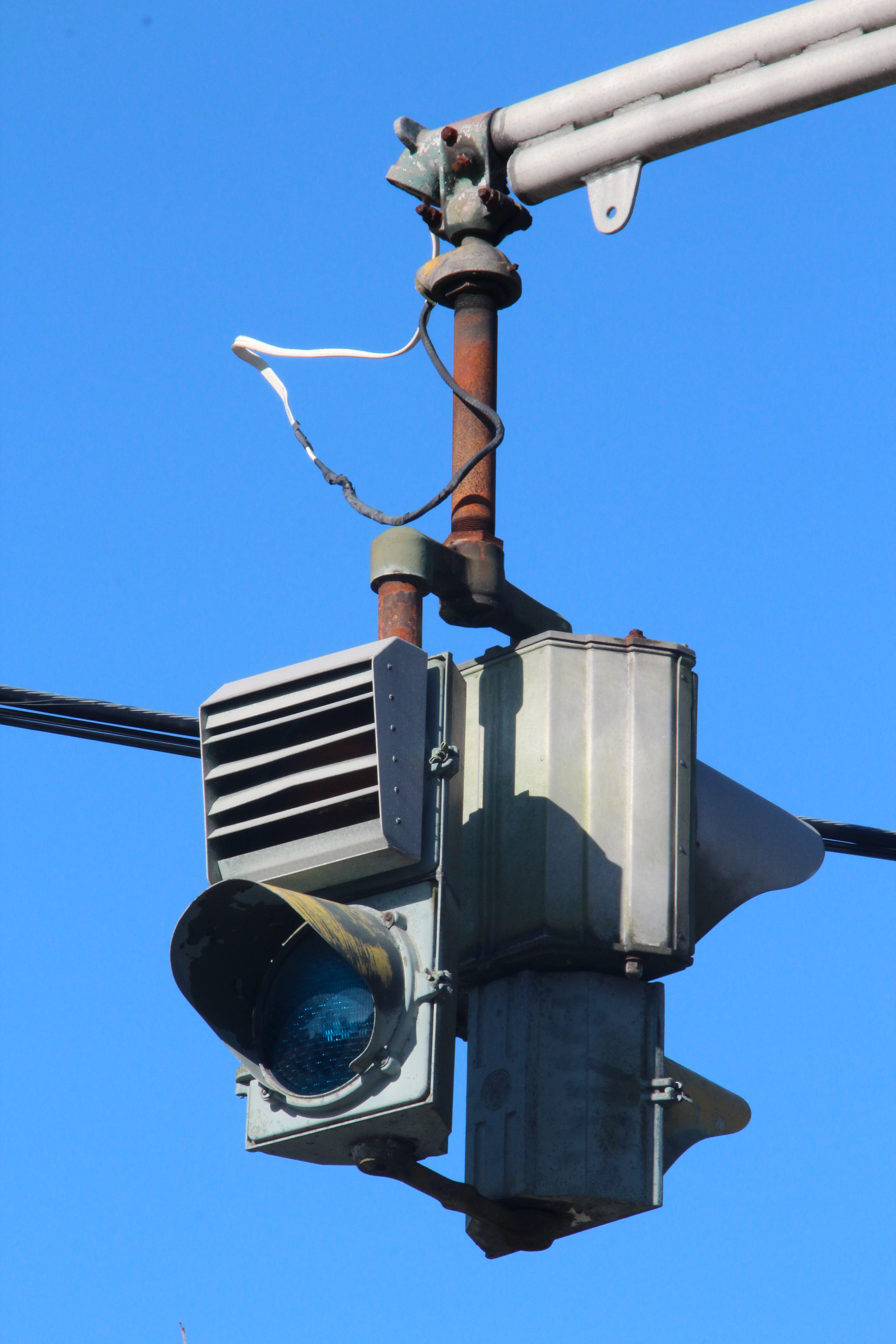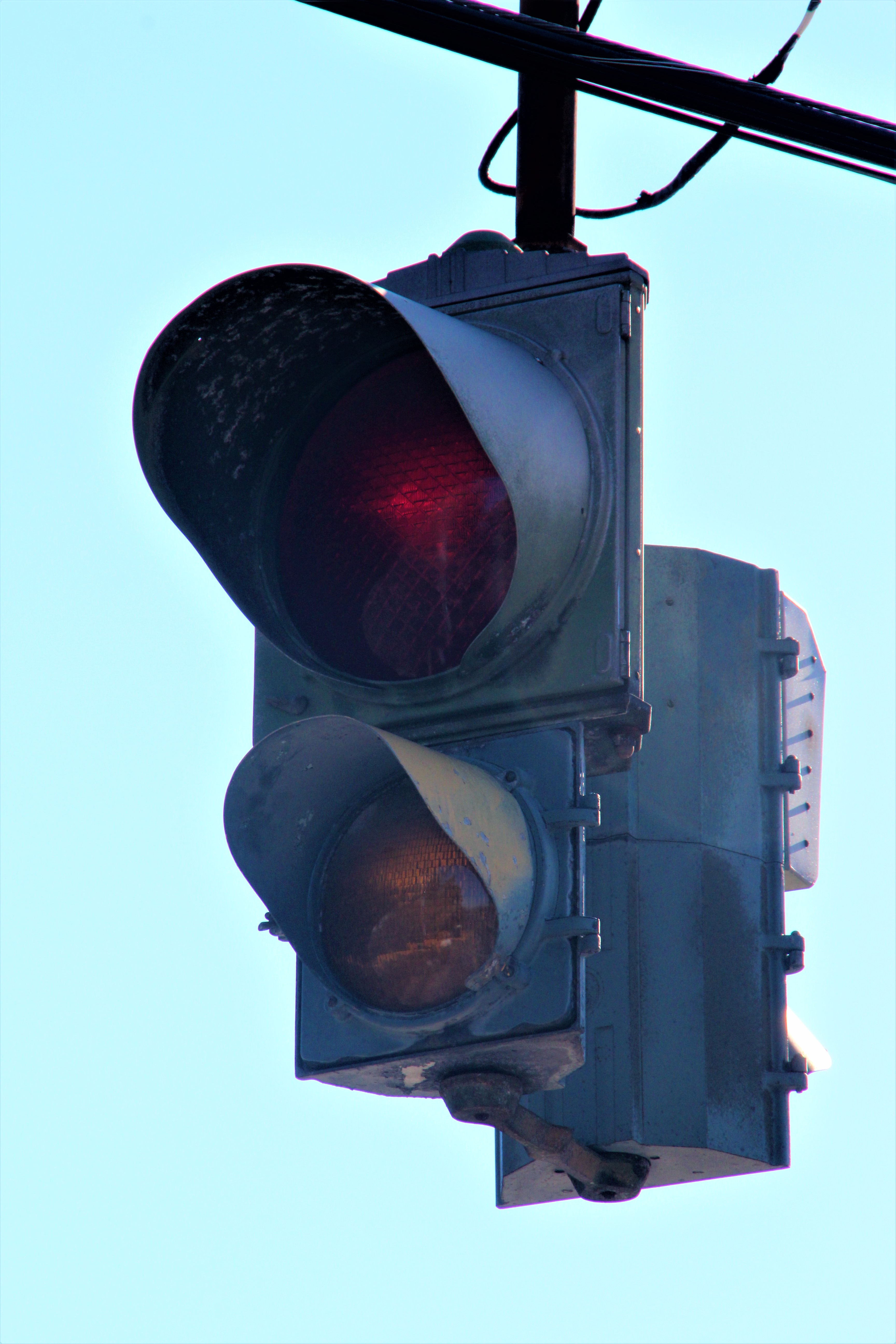
Provenance…it’s not a city in Rhode Island.

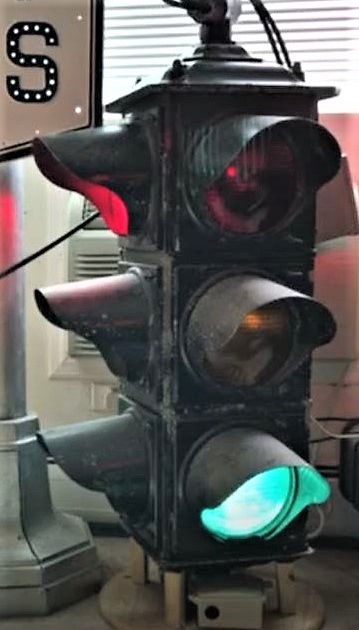
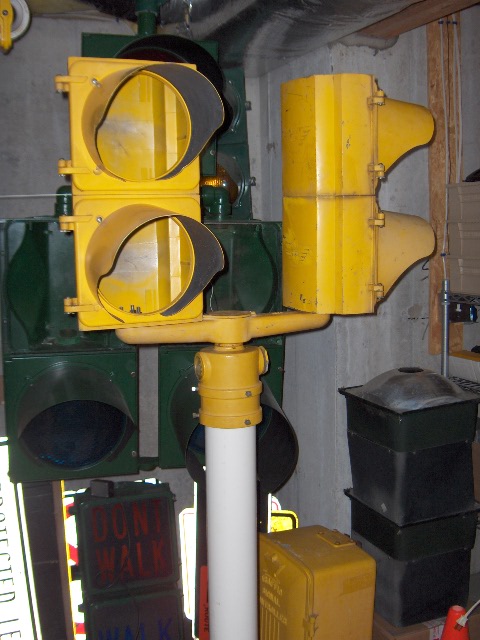
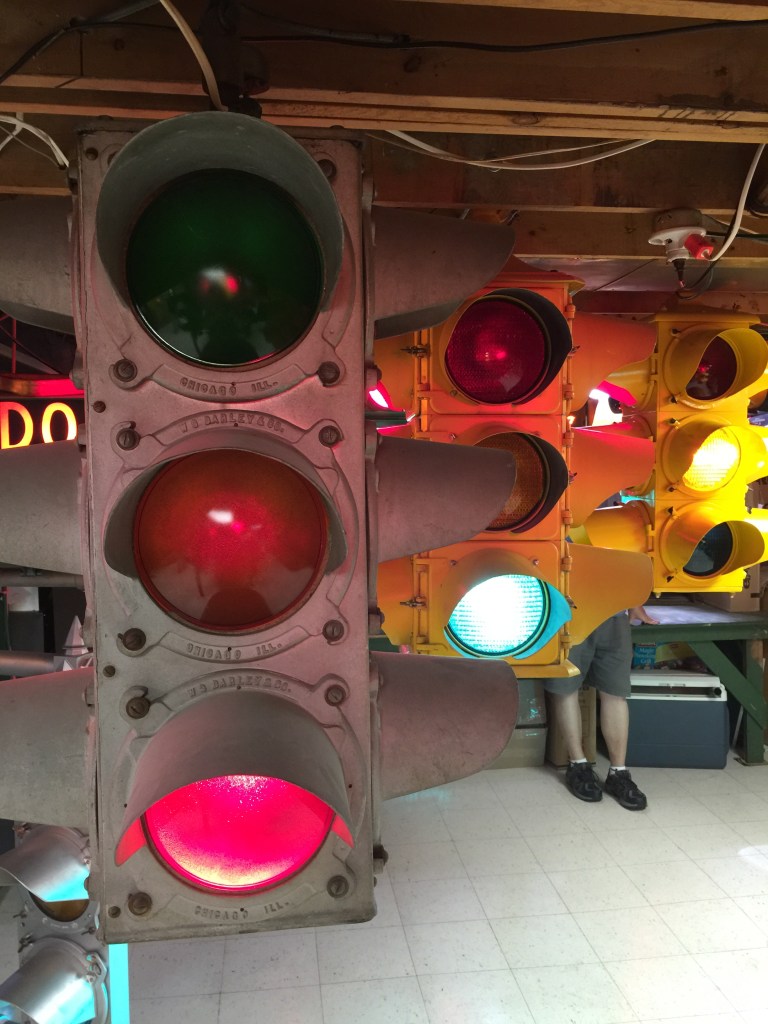
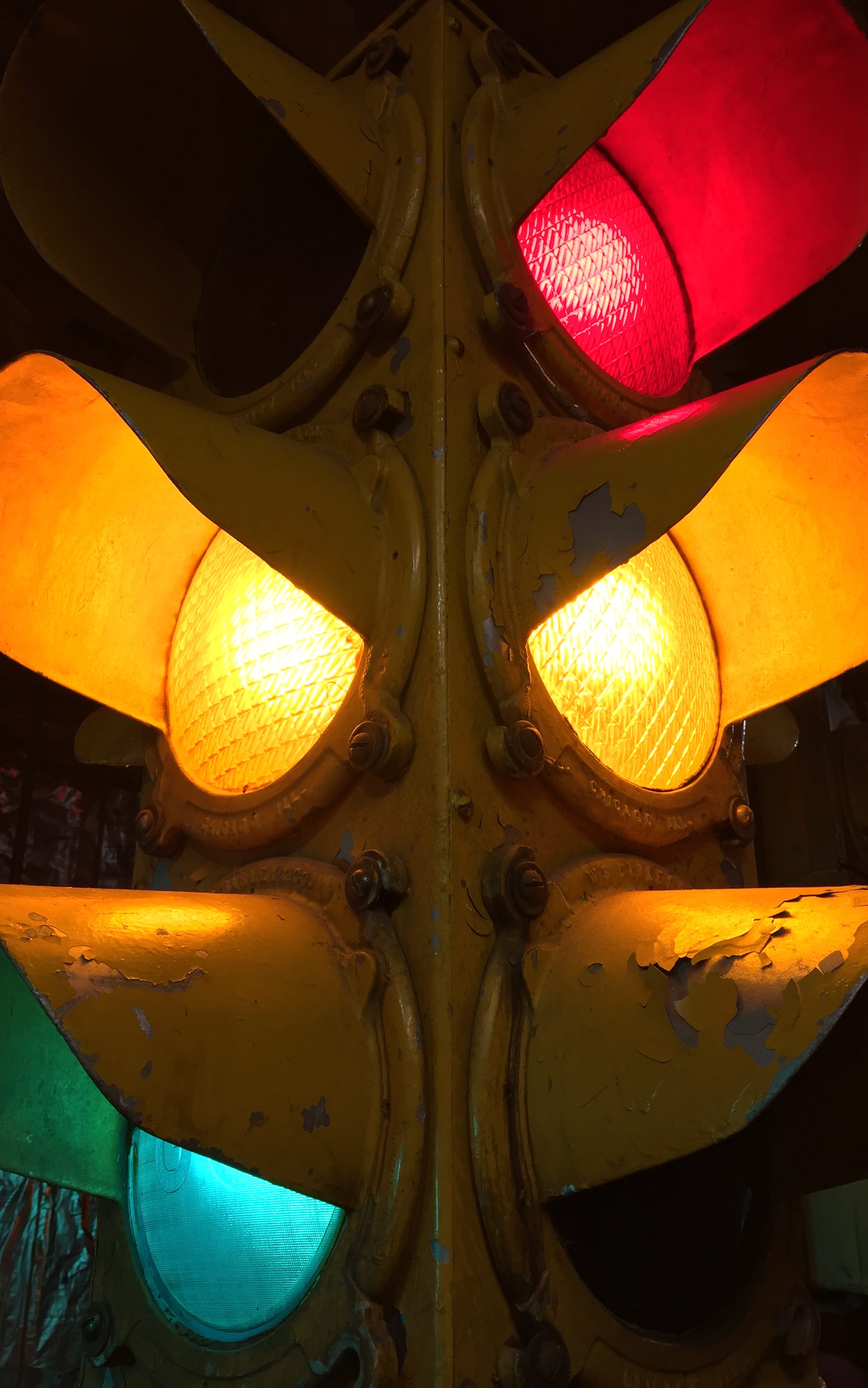
Currently gracing a basement display
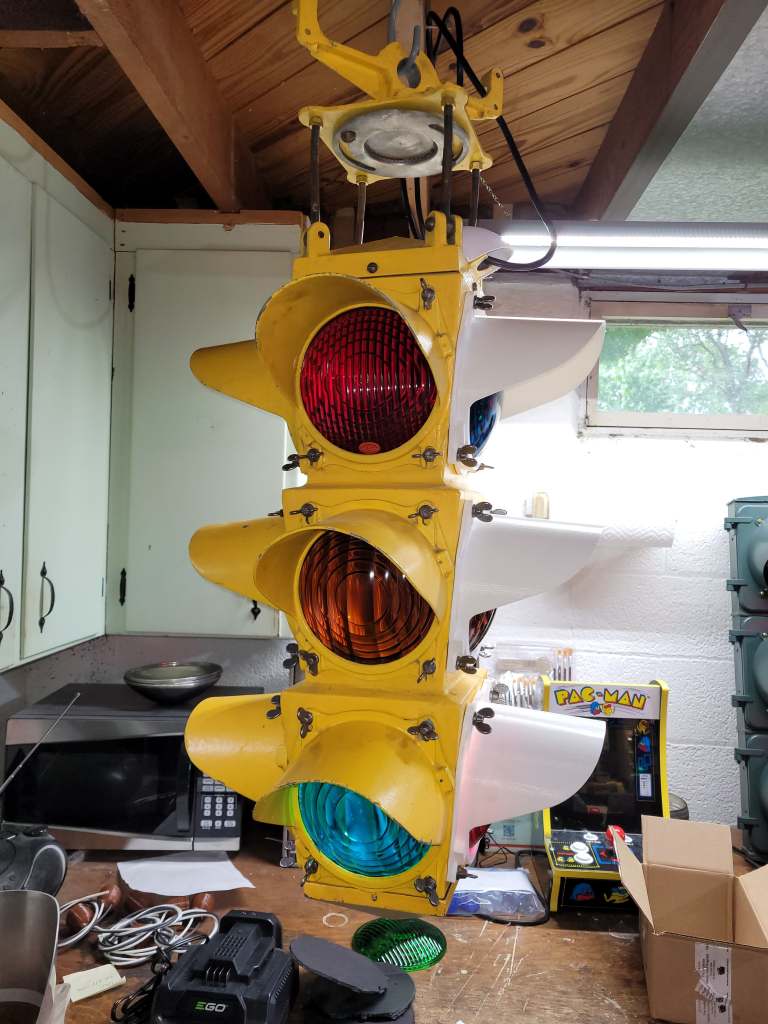
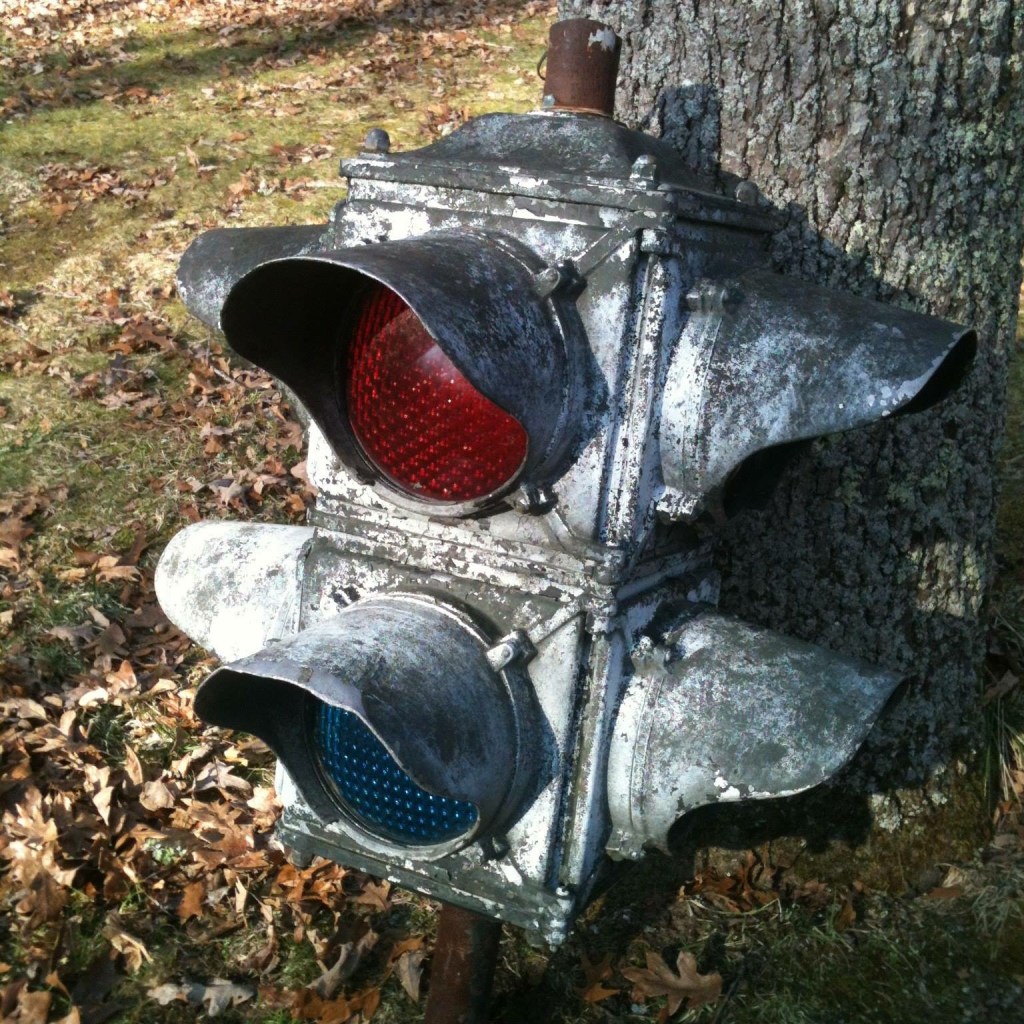
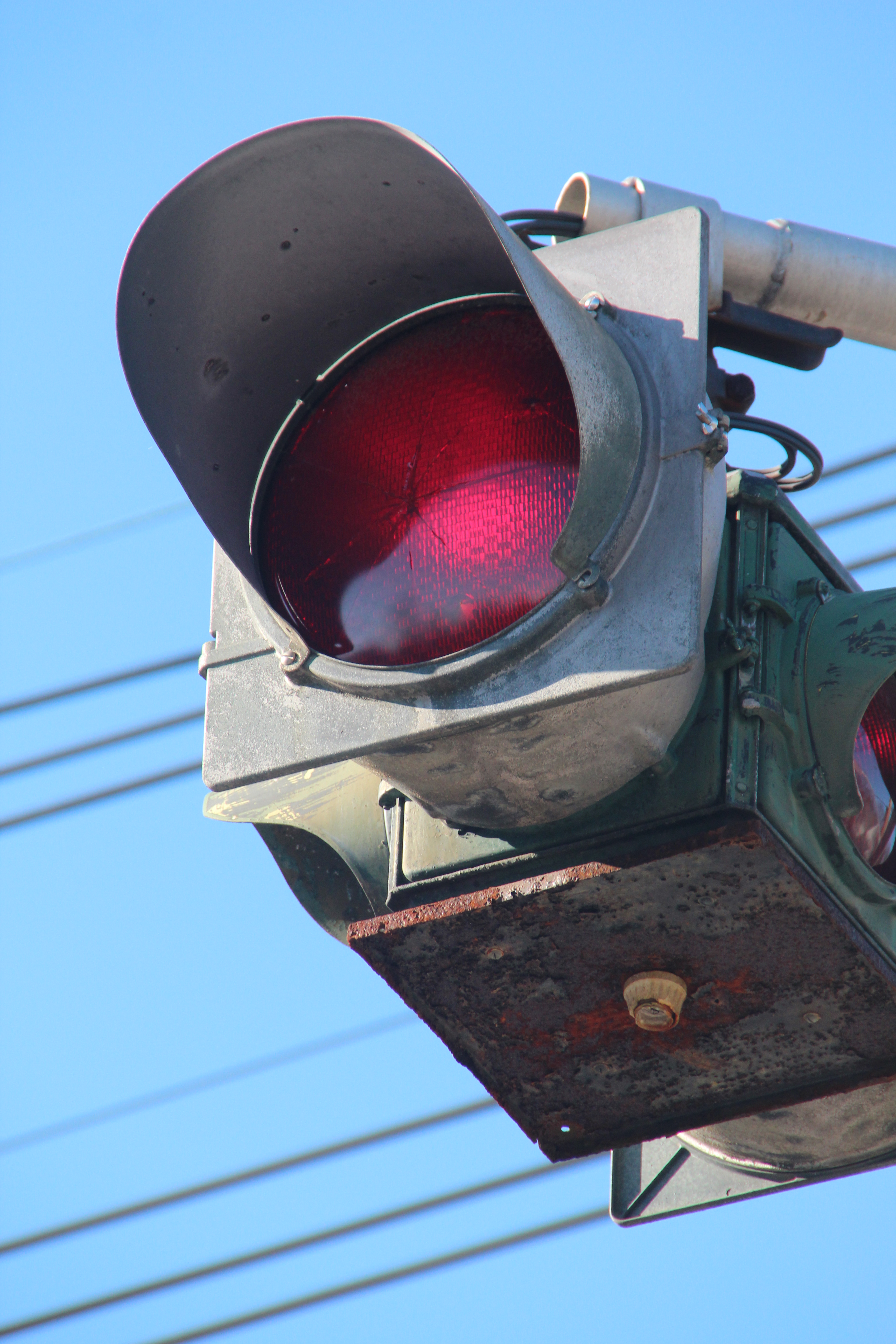
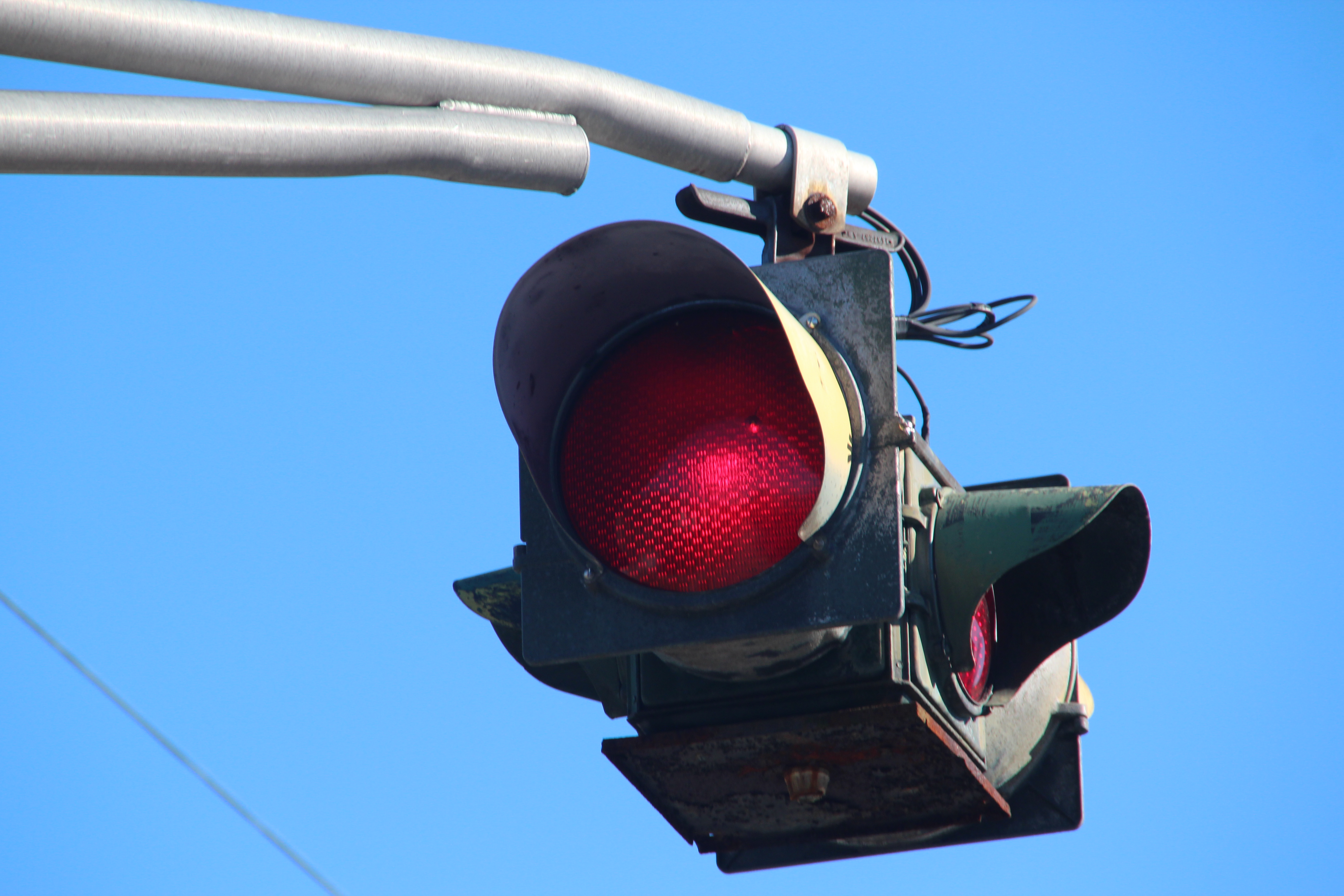
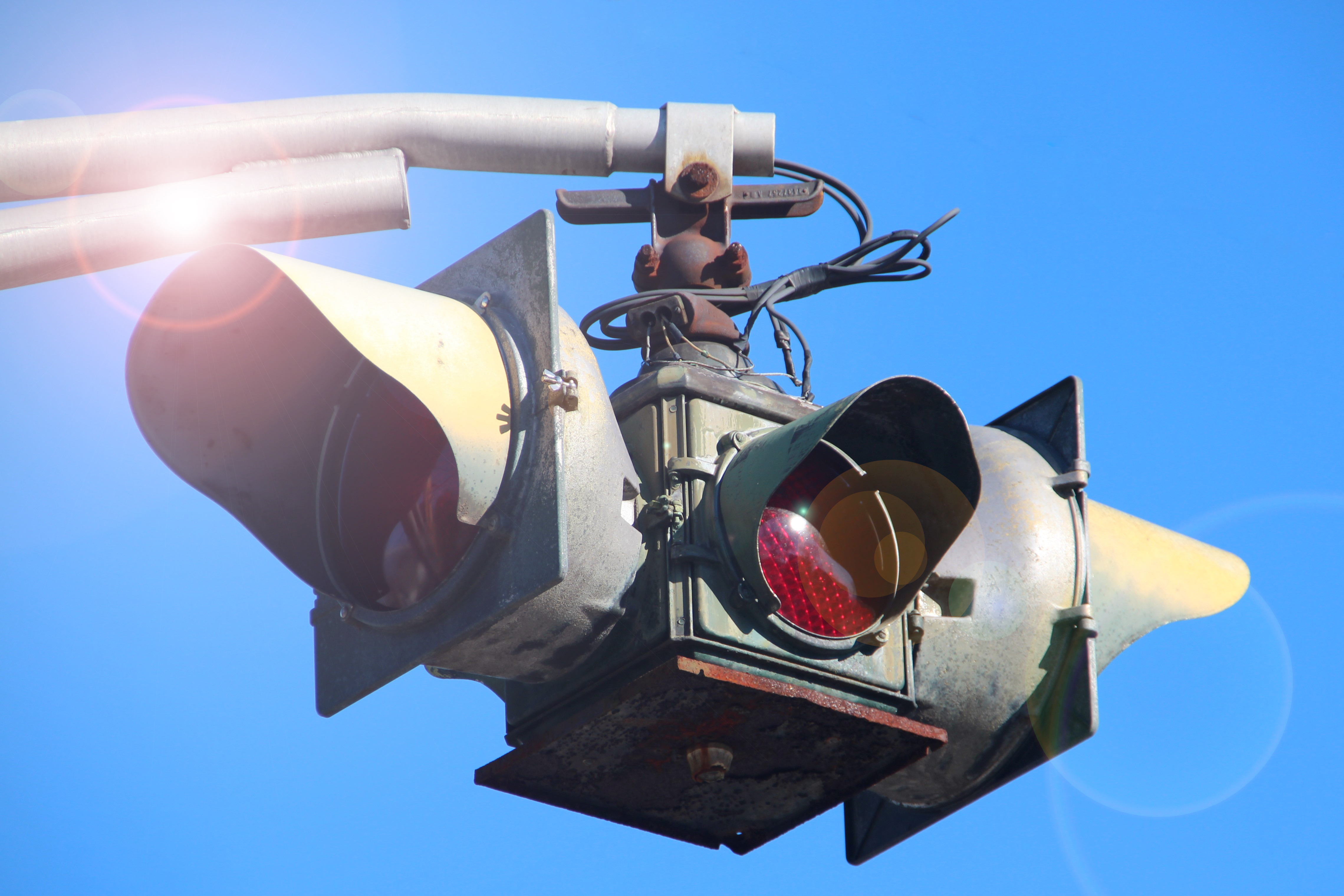
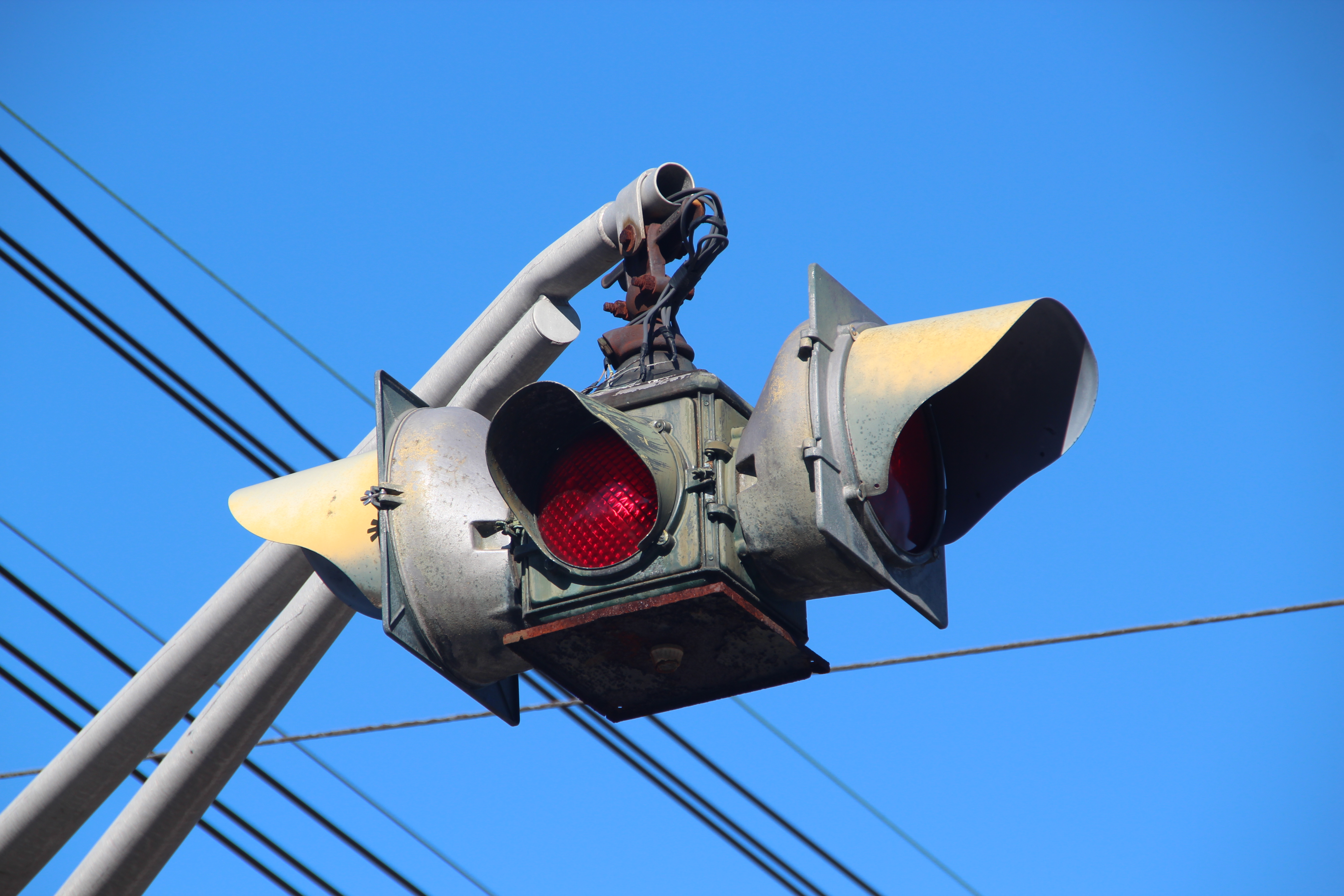
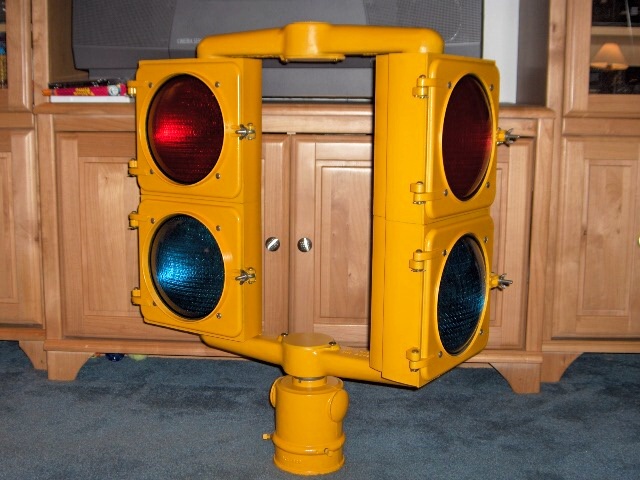
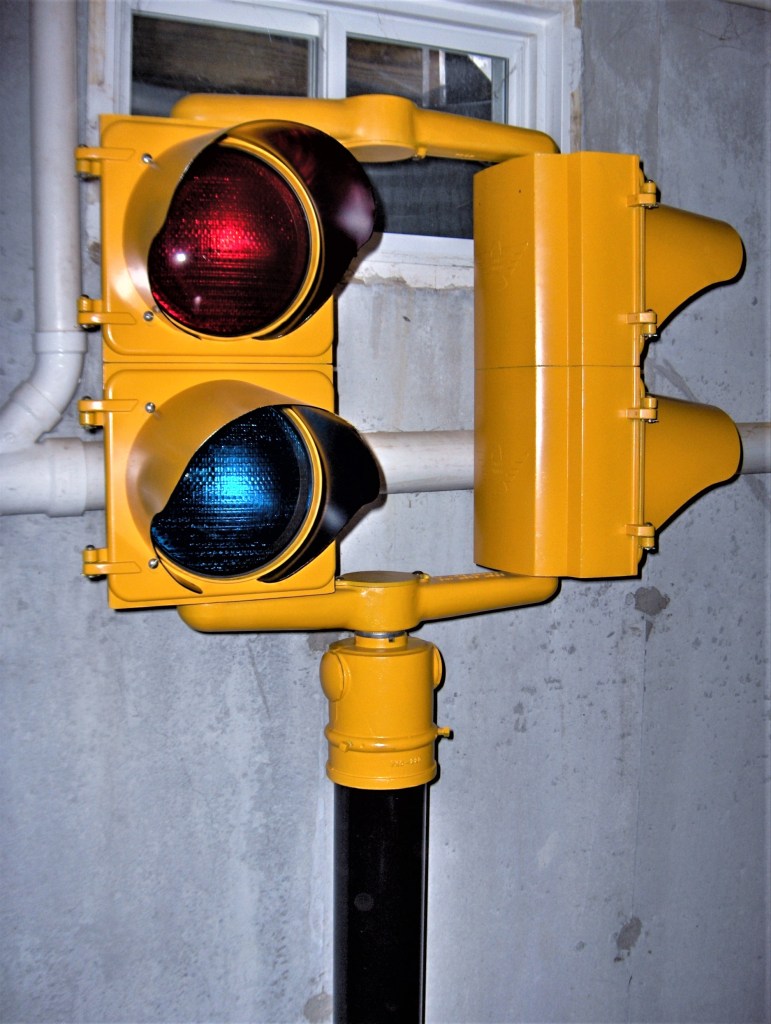
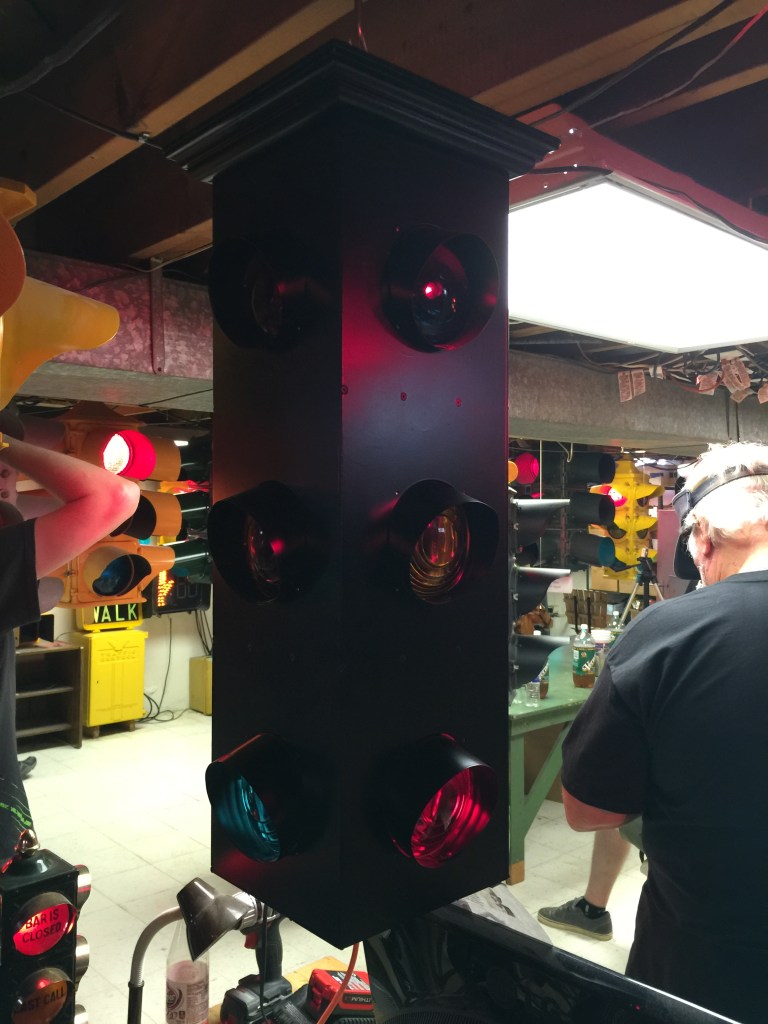
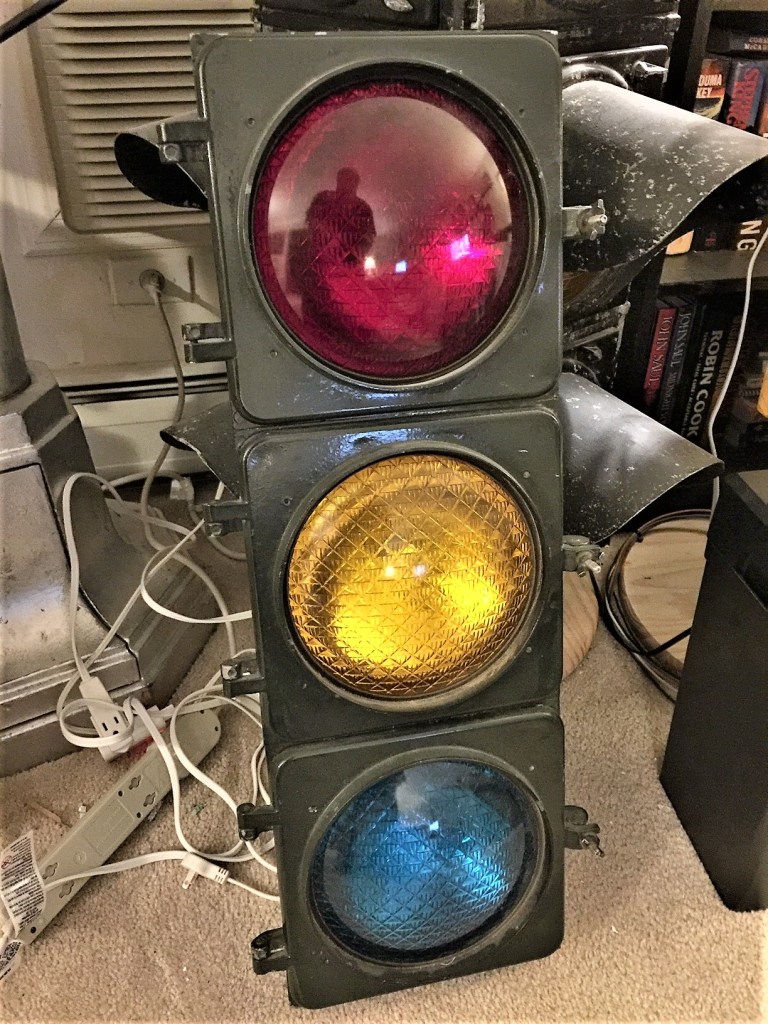
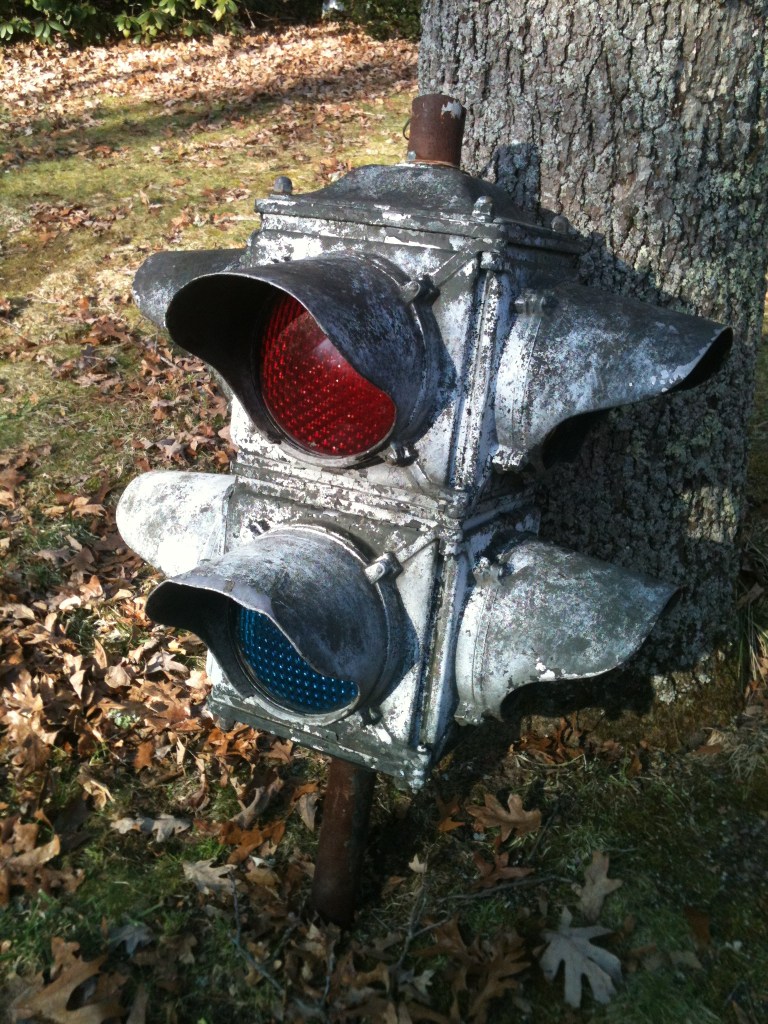
WS Darley 4 way from a private collection

“Often, the story of an artifact’s journey is more remarkable than the object itself.”

― Mackenzie Finklea, Beyond the Halls: An Insider’s Guide to Loving Museums

I have not read Ms. Finklea’s guide though I’m sure based on this quote her and I might share some common viewpoints. Indeed as I was searching for quotes on provenance or, as one might say, backstory or history, the above quotation fit my thoughts in this blog like the corner of a thousand piece puzzle.

My aunt works in a jewelry store and as many of these stores do, they buy estate pieces and many of these, sadly, are recycled for their precious metals and gem stones. However, once in a while, if the story behind the piece is intriguing, my aunt will ask if she can purchase it from the store and usually they let her for the cost. She makes it a point to know the backstory of the pieces that come across the counter and that in conjunction with a proper combination of metals and stones ensures she will get much more than the intrinsic value for the piece. Such is the significance of provenance and its effect on value.


When eBay came into being and moreso when it became successful, many ‘antiques’ values dissipated. Was this due to a sudden ubiquity of many of these pieces? Perhaps. After all when an item is no longer unique, it’s desirability wanes. This is all conjecture on my part, of course as I’m not sure there is any hard data to back this.
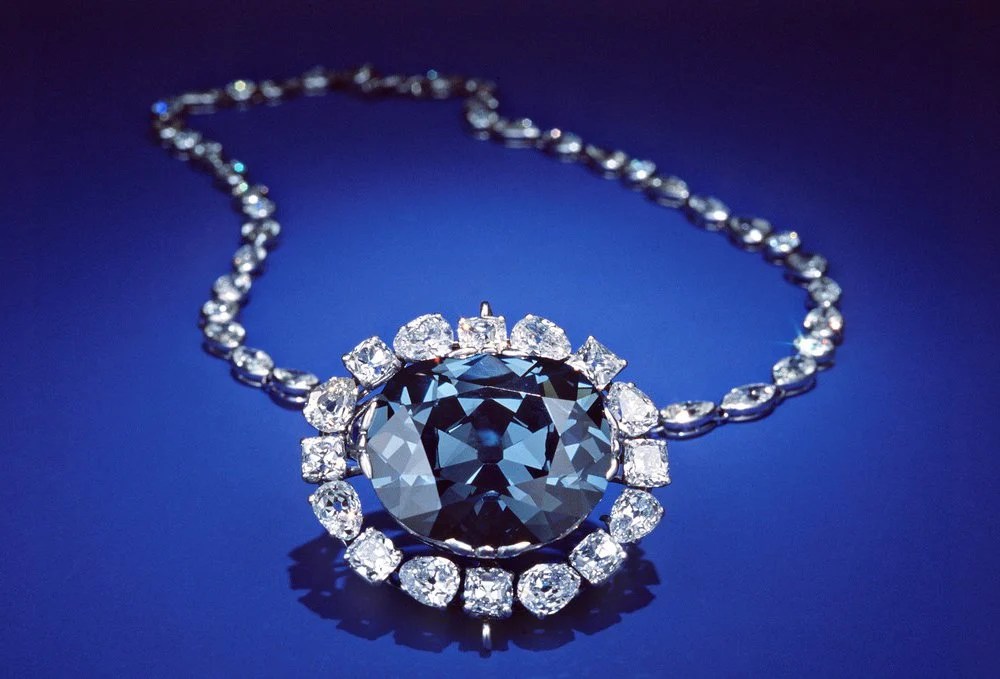
The Hope Diamond – $29.99 starting bid with low reserve

Does history affect value? In the world of traffic lights some think it does and some think it’s the only characteristic to price a light by. Some time back when I was fairly green (no pun intended) in the world of traffic light collecting a seller listed a signal on eBay. This was a standard red, yellow, green Econolite model , nothing extraordinary about it. It was listed for sale from a Texas seller, but like politics, here’s the spin; the seller claimed it came from Dealey Plaza, the scene of the Kennedy assassination and removed shortly after the assassination and they valued it in the tens of thousands of dollars! Within the community, this listing was scoffed and met with scorn for even if you could verify the location of the light and dates of service, the light itself had no bearing on the events of that afternoon. While the location is notoriously famous, it should have at best added a few dollars to the price and/or spurred a slight bidding buzz.

So how then does provenance impact the value and furthermore does that impact how you might approach restoration (or to paraphrase, should you spend your lungs out to refurbish a light? Are your lungs worth that much? Maybe a kidney?).
It worked in Coma by Robin Cook

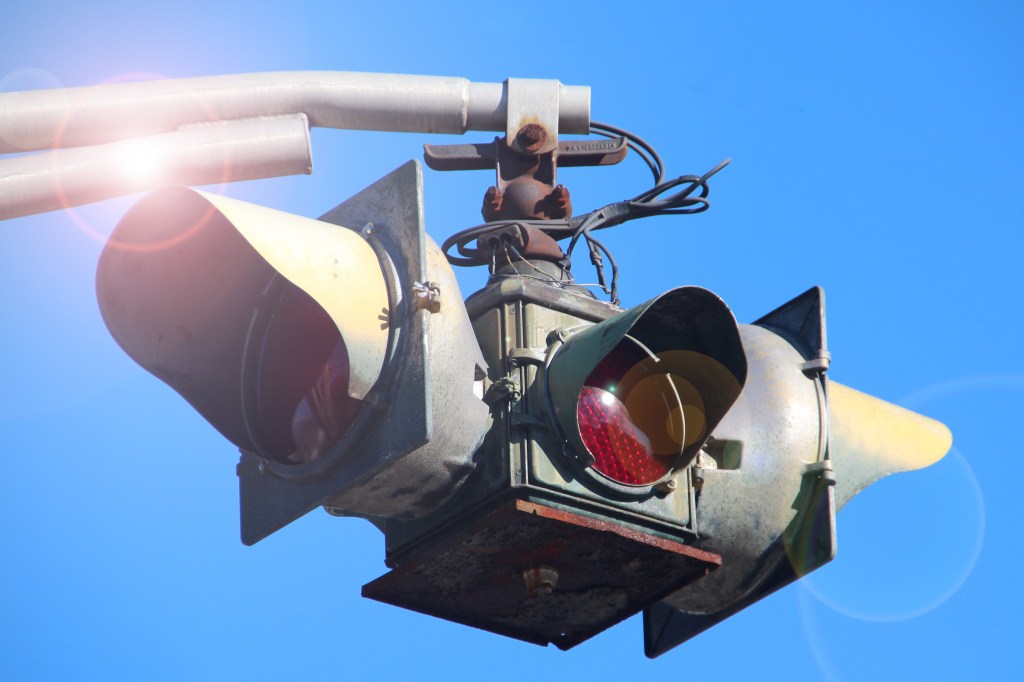
I reside in Long Island, an hour outside of New York City. People love the city (those who don’t live there). They look for souvenirs, memorabilia and historical artifacts of the city. Among signal collectors one of the most regionally specific and recognizable signals is the two section, four sided Ruleta. Those collectors seeking a signal artifact to commemorate the city (and wow friends and family) love the Ruleta for it’s iconic role in the signal history of New York City. Some of the cities oldest residents fondly reminisce about playing under them as a child or waiting to cross the street on the way to school.
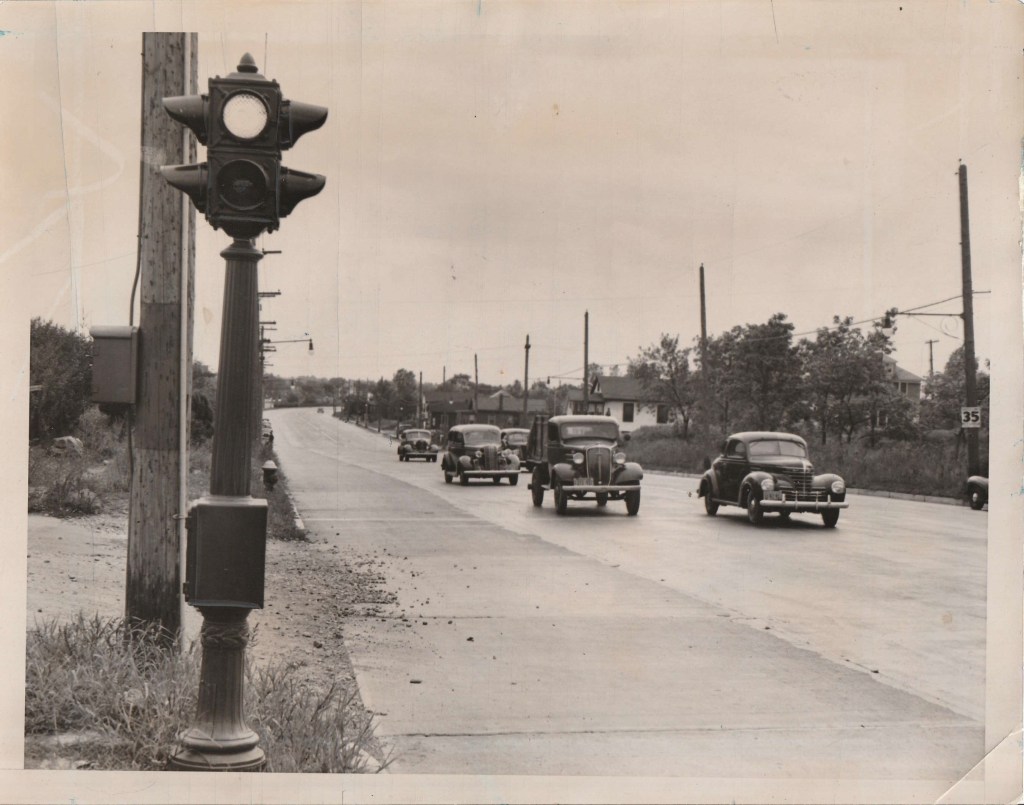
And some have fond memories of sitting in heavy traffic cursing. Yep. They do.
From the Staten Island Advance archives.

Ruleta’s are venerable, well built signals, a heavy cast aluminum, glass lenses and thick glass reflectors. Well built to withstand the rigors of use in a city with high volumes of traffic. Thousands were put in service. Many found their way in to private ownership after ‘retirement’ and in various states of repair as these things often do.

So when an enthusiast comes across one in not so perfect condition they have decisions to make. Obviously as a former New York City light you’d want this to look straight out of the factory new but IF you find the parts, what are you willing to spend?

Recently, in speaking with with a customer, Douglas L. with regard to his parts requirements, I began to think more about the purity in restoration and preservation. I looked through restorations from members in the community. All approaches require a commitment of time for one and a bigger commitment of (you guessed it) cash. But it’s a simple breakdown, in my humble opinion, as to establishing what your level of commitment might be.

Here are the tiers you have to chose from;

  • Go all original – Do the research, spend time and find the original, replacement parts with no guarantee they will be perfect. A real possibility exists that a salvage light might need to be acquired for parts. This is probably the highest $$$ option
  • Reproduction – If you have machinist skills, back ground or friends who are machinists or skilled with tools you have a shot a reproducing parts. If foundry or metal casting is needed then the cost could escalate to the highest option, otherwise consider this a high $$ option.
  • Substitution – Because of standardization many parts from one signal brand may fit others and may be able to be used. In the case of modern lights, visors are a great example, Eagle, Marbelite, Crouse Hinds may be swapped for each other but their profiles are uniquely different. Things like door parts and terminals might not fit depending upon models and age. However sourcing compatible parts might be the best if you want a complete look but not the OEM finish. Consider this a medium $ option
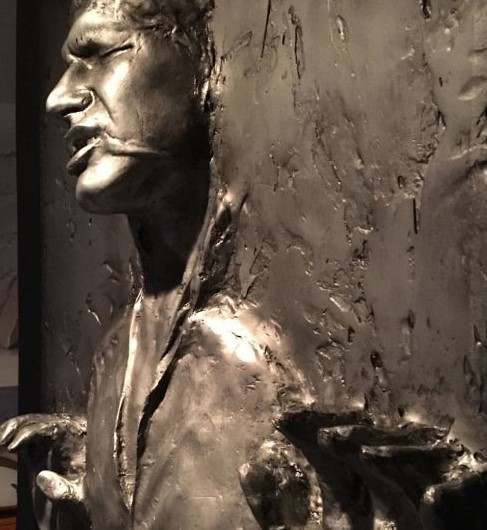
Metal casting is tricky and comes with inherent risks. This guy just wanted to make a finial.
Image credit ukn

Provenance, history will play the most important factor in your decision. Is it significant enough historically to spend months possibly years sourcing the parts or the money to reproduce them?

Collector Brian Angrick was fortunate enough to come across a Horni model 250. Though incomplete on one side, it was a showpiece.
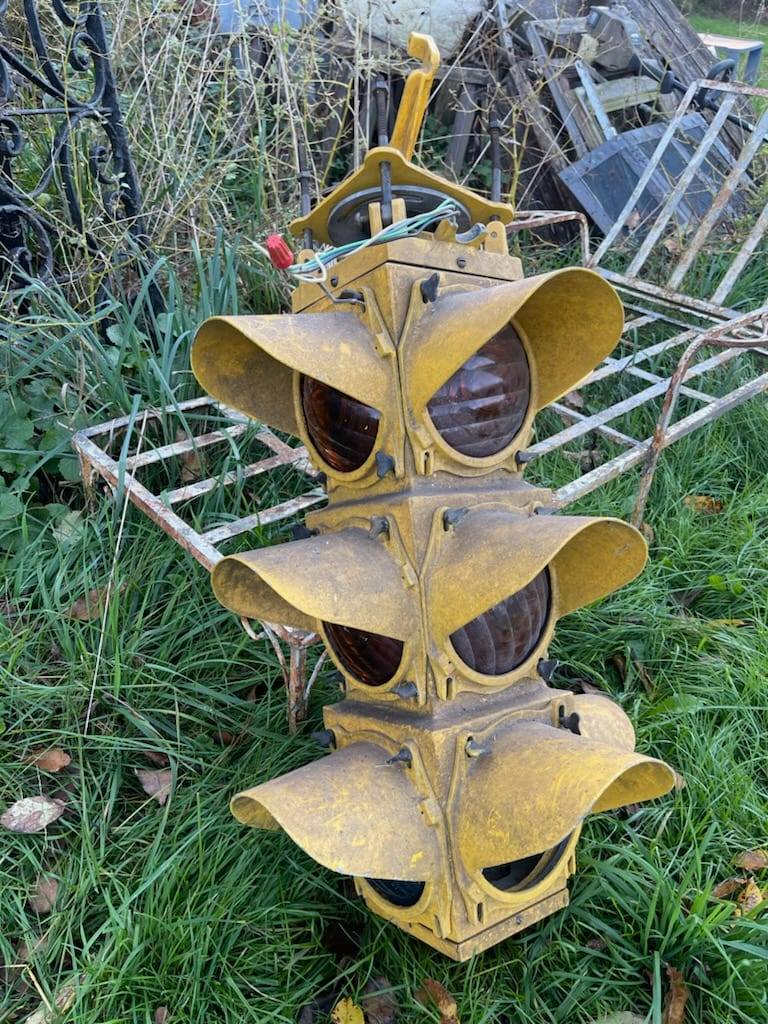
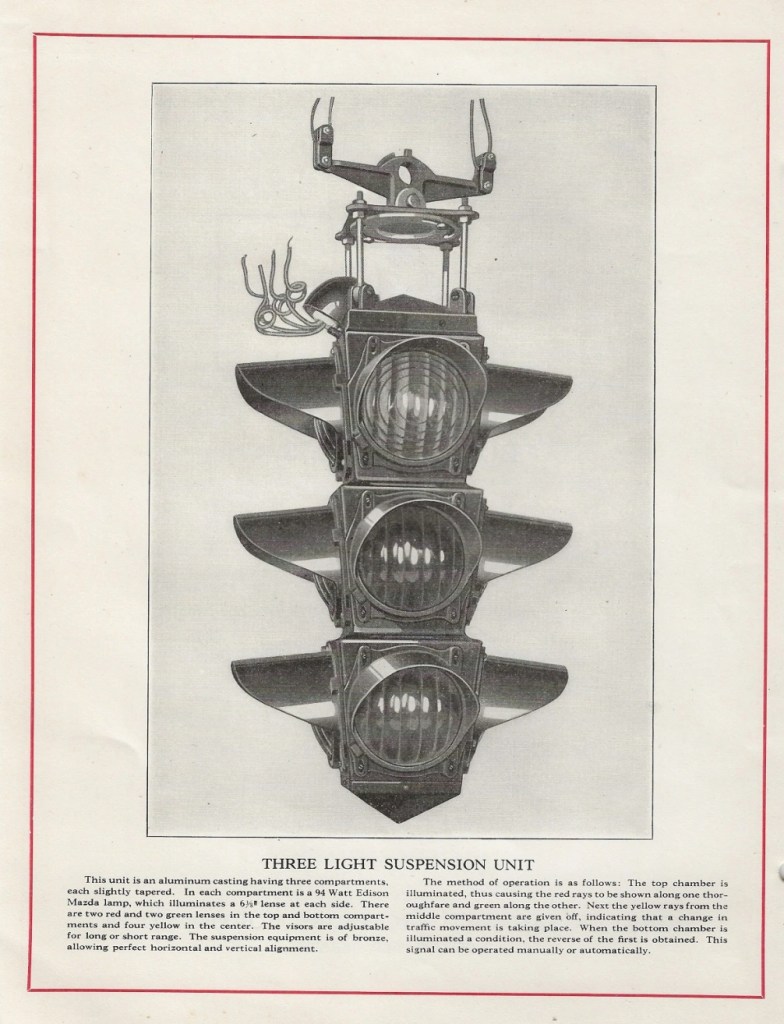
Brian wanted to see it complete and his first move was to contact a machinist and though he found someone to start the project, the finishing work was stalled and other machinists passed on the work. And cost was a factor too. But Brian is a determined guy and found an alternative. 3D printing in ABS plastic. Cost effective in comparison and it was what he needed to give the work a sense of completion. When painted, he hopes that there will hardly be anyway to tell the repros from the originals and moreover the light will be ‘complete’.

So here in the instance of this Horni, the provenance is in it’s history as a piece of equipment of the Horni Signal Corporation, a piece one could consider rare. Perhaps if Brian sells it one day, this additional ‘restoration’ will add to the intrigue if not the value. It’s certainly a piece I would enjoy having in my collection. Wait…I think I have a birthday coming up?

I sell signals and signal parts

…on eBay and through Facebook. You can contact me at either site through the buttons below
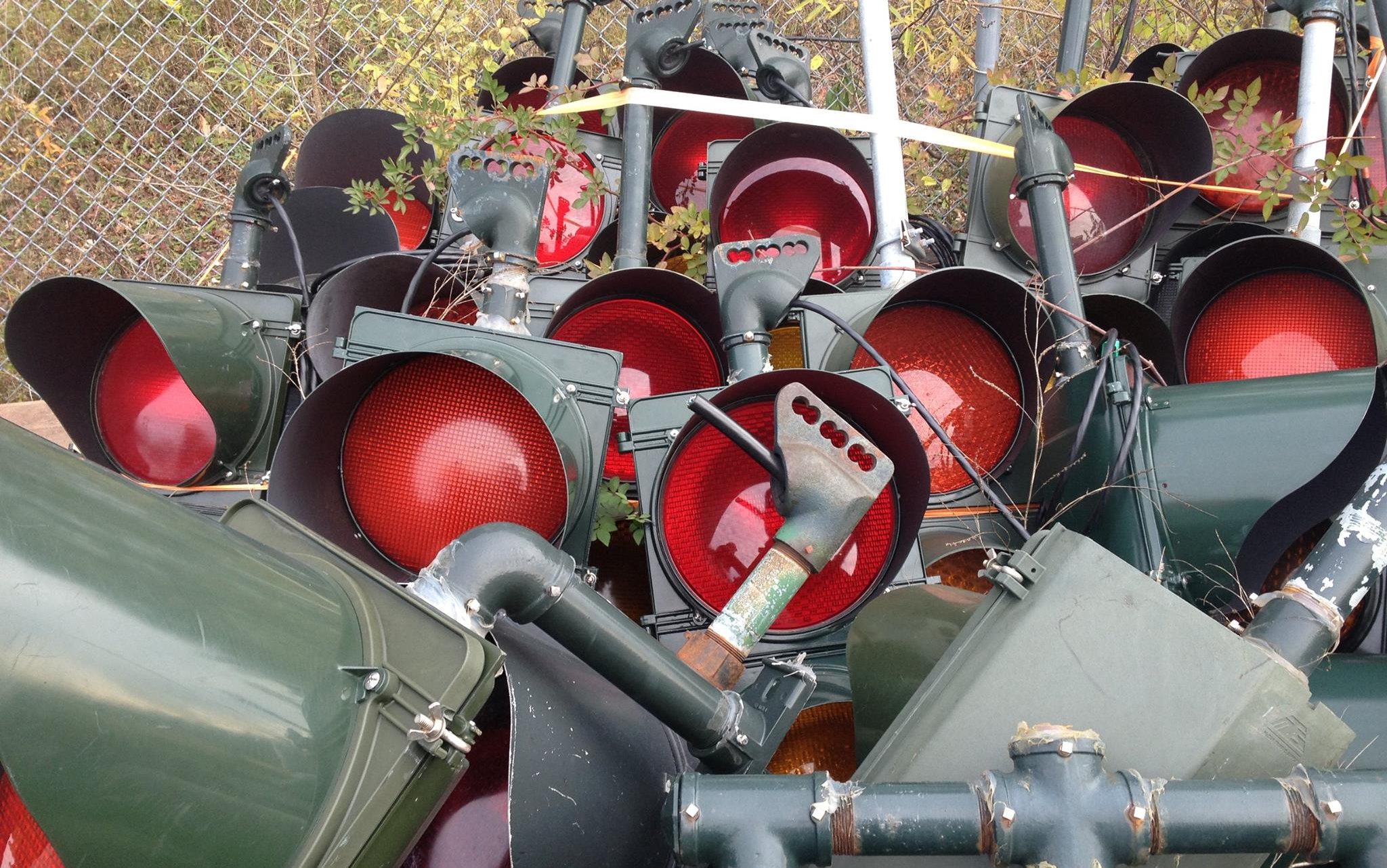
So…you have a traffic light to sell.

Right now there’s a red light district not living up to it’s name.

It is probably not worth what you think it is and it is important to note, there is no traffic signal bluebook by which value would be assigned so any appraisal would be subjective.

So now you’re listing it and the big question is; How? Chances are, unless you’ve worked in the industry, to you it’s just like ones you may drive by every day. There are pitfalls in writing a description for an item such as this that can leave you sitting with it for weeks or months before you are counting your profits.

I listed this ten minutes ago. Why aren’t I rich yet?
Photo by Ju00c9SHOOTS on Pexels.com

There is one immutable fact when buying or selling nearly anything collectible. The item in question is only worth what someone is willing to pay for it. However, factors such as age or quantity may and can exert tremendous influence over collectability.

The term rare (not found in large numbers and consequently of interest or value) can play an integral role in this. Two additional terms are invariably brandished in describing the collectability of an item; antique and vintage. Their definitions have been so widely used and abused that it is nearly indiscernible as a true descriptive adjective for an item in auction or sale.

By definition, The term antique is defined as follows;

any work of art, piece of furniture, decorative object, or the like, created or produced in a former period, or, according to U.S. customs laws, 100 years before date of purchase.

As it relates to automobiles however, it is defined as an (adjective); noting or pertaining to automobiles approximately 25 years old or more. Additionally the term vintage means; the class of a dated object with reference to era of production or use.

As it relates to the ‘hobby’ of signal collection and restoration, the term antique could loosely refer to a period between 1920 and 1960 as this period is between fifty and almost one hundred years ago. Traffic signals are closely associated to automobilia and by extension antique automobiles themselves. Comparatively, vintage is used erroneously. This term instead should be used to refer to a period of origin or manufacture, which may or may not contribute to the value of the traffic signal in question. This still leaves unanswered, the issue of rarity.

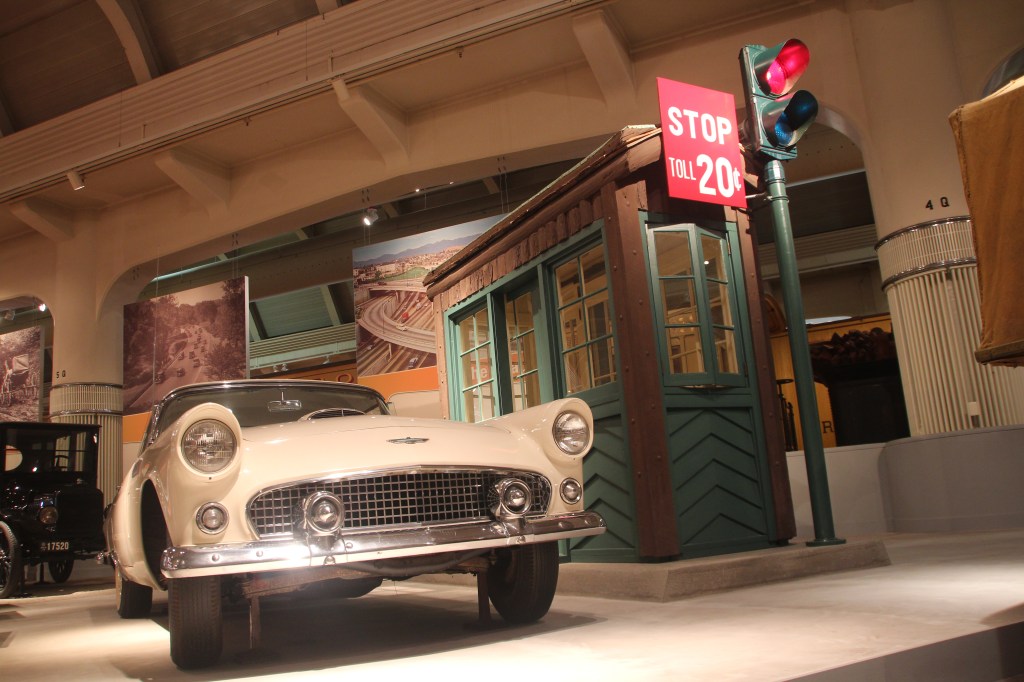
There’s a whole lot of vintage going here. ©2015 3feetfrothestreet at the Henry Ford Museum

Many types of collectibles such as coins, automobiles or comic books have well documented records supporting production quantities and in certain instances remaining quantities and condition. While there have been many manufacturers of signals over the years, many have merged and have gone out of business. The Institute of Transportation Engineers has noted that there is no comprehensive data collected on the number of signalized intersections in the United States, so it would be at best a very rough estimate as to the actual number of signals produced, ordered, placed in service and removed or destroyed.

Other factors that come into play can be considered variables. Special requirement items, prototypes, experimental design or one off items. Among these categories are things like angled visors or doors, special lenses or items in that vein. It is safe to assume a greater rarity on these types of items based on original needs for these types of devices to begin with.

Other suggestions in listing a signal are basic but often overlooked. Be sure to use clear, well lit photos. Photograph the signal you’re selling in day light.

You can clearly see this is an excellent specimen of a Crouse Hinds Type T

Take pictures of the inside as well as the outside and be sure to show any visible damage, cracks, dents or holes. Show the top, bottom, back and front. Most signals have their brand name on the back or inside. Some manufacturers also have their brand names on the lenses but be aware that many municipalities reused lenses until LED’s took over so there is the likely of brand mismatch. Include as many brand names on all parts on the signal.

Additionally, road flares are not traffic lights. Automotive head or tail lights are not traffic lights. Theater gels are not traffic lights. Parking meters are not traffic lights. Signs are not traffic lights.

And sometimes a banana is just a banana. Photo by Ryutaro Tsukata on Pexels.com

There are separate categories for all of these items. Using the word signal or light will most likely cause eBay to default to the traffic signal category so take time to research the item properly.The resources are just a google search away. A little research will go a long way toward a successful sale.


I sell signals and signal related equipment through Facebook and eBay. Please look at my eBay listings and then contact me through facebook at 3liteguy Signal Salvage – Traffic Signals for Sale.

3liteguy Signal Salvage – Traffic Signals for Sale

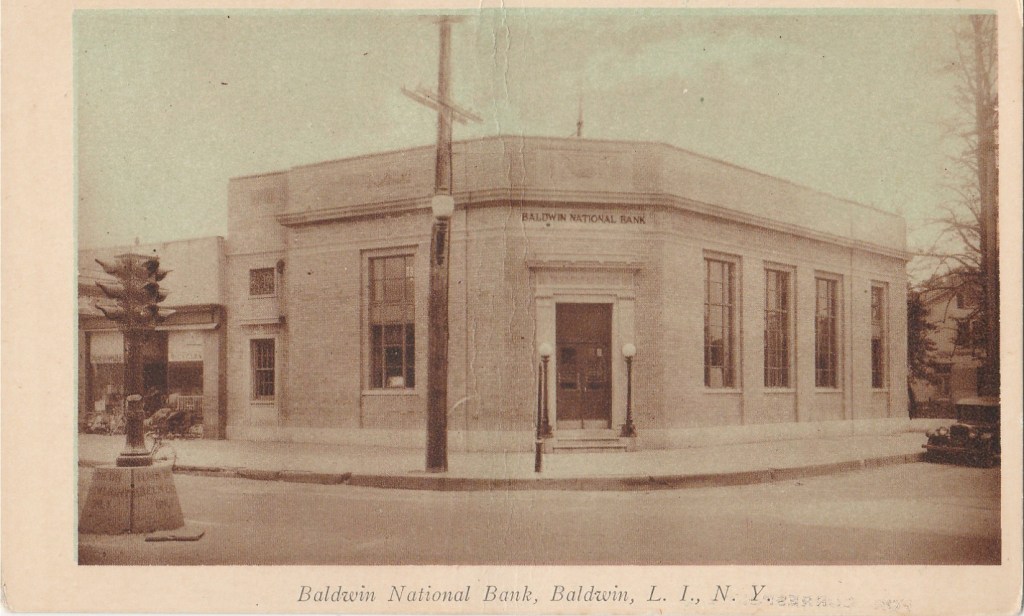
Postcards from the edge

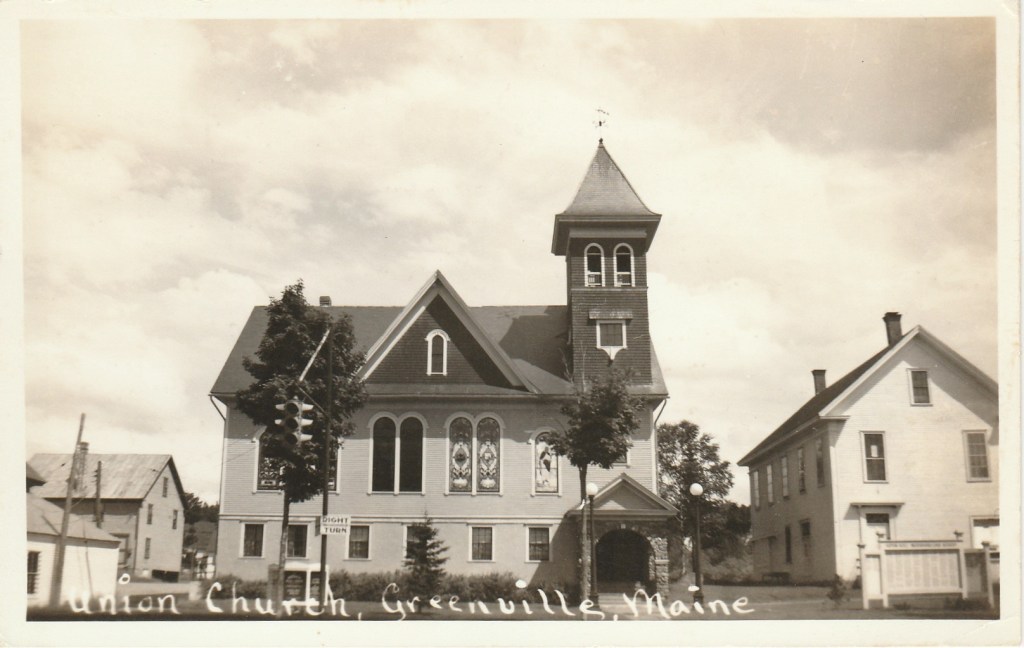
GE 3way in front of the Union church in Greenville, Maine
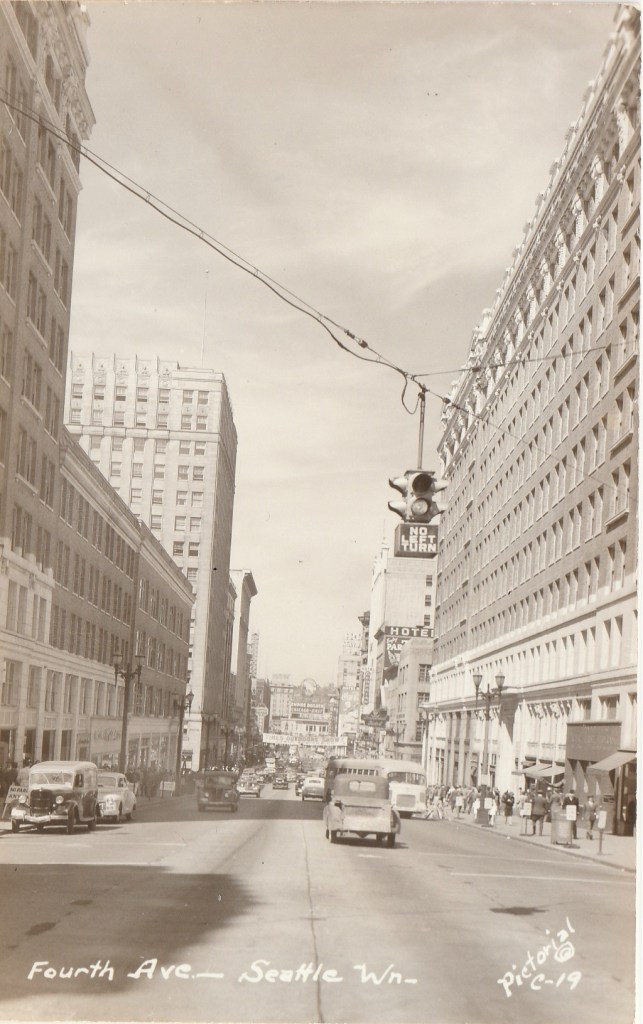
Possibly a Darley two color in Seattle, Washington
AGA ‘dummy’ light in Baldwin, New York (Long Island)
Crouse Hinds 4way in Colombia, Mississippi
Eventually everything good gets cancelled like a Netflix Marvel series

The American postcard.

Twitter 100 years before Twitter.

Some guy sitting at a laptop

A lifetime ago I began in collecting signals in earnest. If I was sharp and cruised the local antique places, I would pluck a gem from the wreckage of hoarding. If I surfed the web frequently I could score a bargain and usher in the sweet release of dopamine.

Image result for nestle chocolate chip cookie dough
A tube of this has the same effect.

Yet as I collected, I realized financially, even at bargain prices, I wasn’t going to be a heavy hitter. While my sights were set on great signals like the Ruleta…

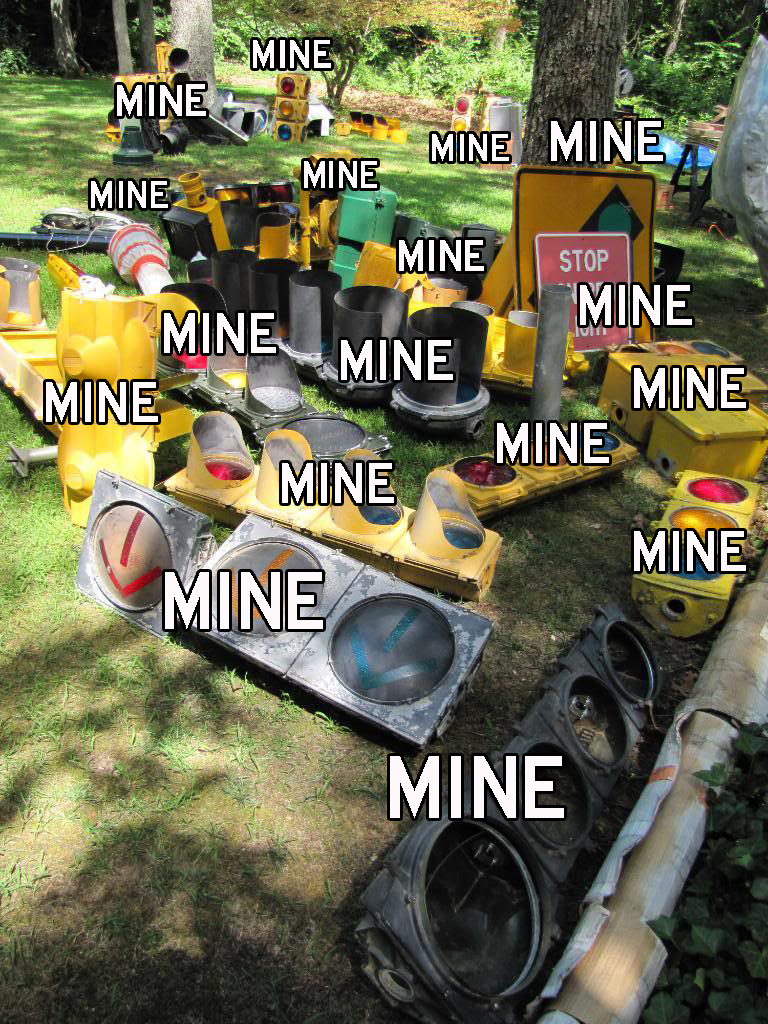
MINE!

Or the Crouse Hinds type D or DT…

ALSO MINE!

I wasn’t going to be able to swing buying them. Not a chance. Nope. No way. I couldn’t afford that much no matter how much I’d wished I could.

Ok so I did buy a few here and there, but so many were planned as Christmas presents, birthday presents, fathers day presents (the occasional arbor day). But when I wasn’t collecting the parts and pieces or whole signals I would find another way to ‘scratch the itch’ as they say.

I could score a bargain and usher in the sweet release of dopamine.

The correct term for it is memorabilia or more appropriately ephemera. It’s a large pile of paper. Ads, postcards, press photos, etc. For a couple bucks the itch was scratched and I was able to enjoy seeing signals in service or in the case of ads the theoretical application and the expected use.

And because of the obviously strong connection to automobiles and travel I would get some great slices of Americana and the way life once was.

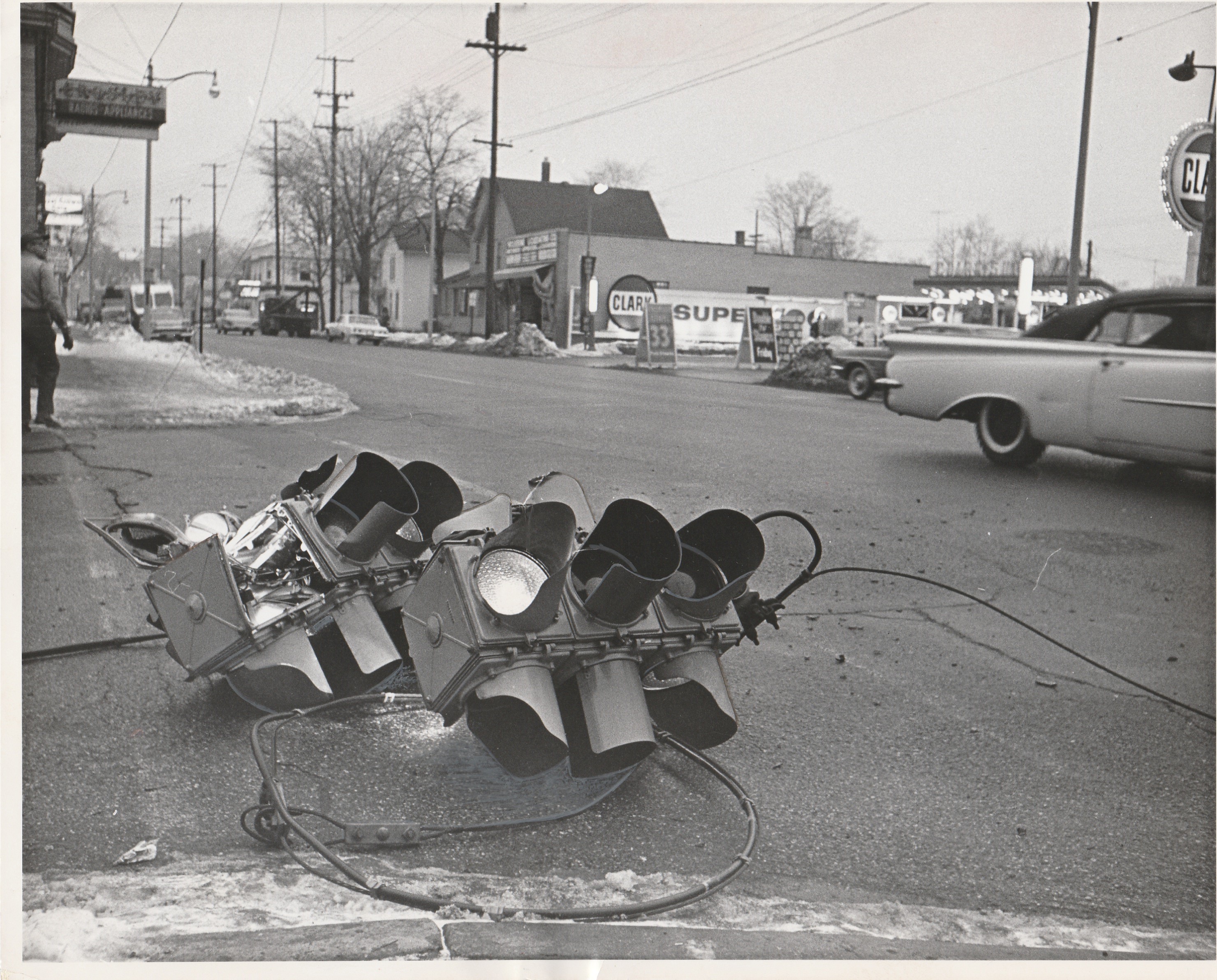
plus some really cool accident shots

Every photo or postcard became a window into yesterday. The details of small town USA, unaffected by big box stores. Big urban cities at their peak, thriving in a mix of productive manufacturing, vibrant retail and robust business laid out in crisp black and white or saturated colors.

Moreover, the grand experiment of the traffic light, these ubiquitous sentries of traffic would appear to evolve in both shape and function; two color or three color, semaphores, color position and overlapping sequences. Viewing photos and postcards from different era’s, one could see that as the need for stronger indications came about so to would innovation and eventually standardization.

In present day, traffic lights no longer appear in post cards and only as an incidental occurrence in the press unless they are the story but now, the traffic light is no longer unique and only a fascination when they malfunction. Their ubiquity has fostered a sense of dispassion and too often a careless disregard for the task it serves.

Even recent innovations such as flashing yellow arrow (FYA) or high-intensity activated crosswalk (HAWK) have not been as impactful as say, the transformation from the Acme Semaphore to the three color Econolites.

Purportedly the last Acme being removed after installation of new Econolite three color heads. Date and photo credit unknown.

Yet they have provoked discussion both pro and con amongst forums and associations, It would appear that both of these new styles are here to stay and while you probably won’t see them on the front page of the major dailies, you might find it in the local section or in the news at six. Perhaps someone might send you a post card .


I sell signals and signal related equipment on…

Click the buttons and see what I have for sale right now.

unspecified thread

When you think you have an idea where something’s going to go, you’ll often find it’s never where you’d want it to be.

Me, about twenty minutes ago

Among my early aspirations, was a desire to write comic books. Nearly every dime I earned mowing lawns and slinging papers was devoted to expanding my comic collection, exploring the perils of Spiderman, The Avengers, Captain America. I wanted in on that world, that ability to create a universe where costumed wonders swooped out of the sky and POW, SMASH, BOOM, the day was saved and earth was once more safe and at peace from interlopers bent on domination.

As a huge fan of Marvel comics, Stan Lee was the man. He built this universe of heroes that was unparalleled (yeah I know, DC was good too. I had plenty of Superman, Batman and Justice League). I imagined him sitting there at his desk and this cerebral big bang occurring, enveloping him with this infinite universe, allowing him to pluck these extra normal gems from the ether, create lives around them, making them almost real to young kid.

I would write, scribbled notes, jottings on paper and finally, when I had a decent typewriter, tak, tak, tak away (thanks to a high school typing class) I could see the lives of the characters I was penning, felt their turmoil, enjoyed their victories. I submitted work that initially was met with a degree of interest, but I didn’t have the follow through, ultimately led to believe that there was no career or future.

Nope no future at all. BTW have you seen the box office gross on the Avengers movies?

Blah, blah, blah, lots of words, life didn’t turn out great. Stop feeling sorry for yourself. Yeah, ok. It took some time to come to the realization that maybe just sometimes we aren’t as talented as we’d like to think we are. It’s fine to reach that conclusion. If you don’t, the time lost pursuing a dream that never comes is the greatest asset wasted.

Dropping an ounce of gold down a toilet would also fall into that category of a great asset wasted.

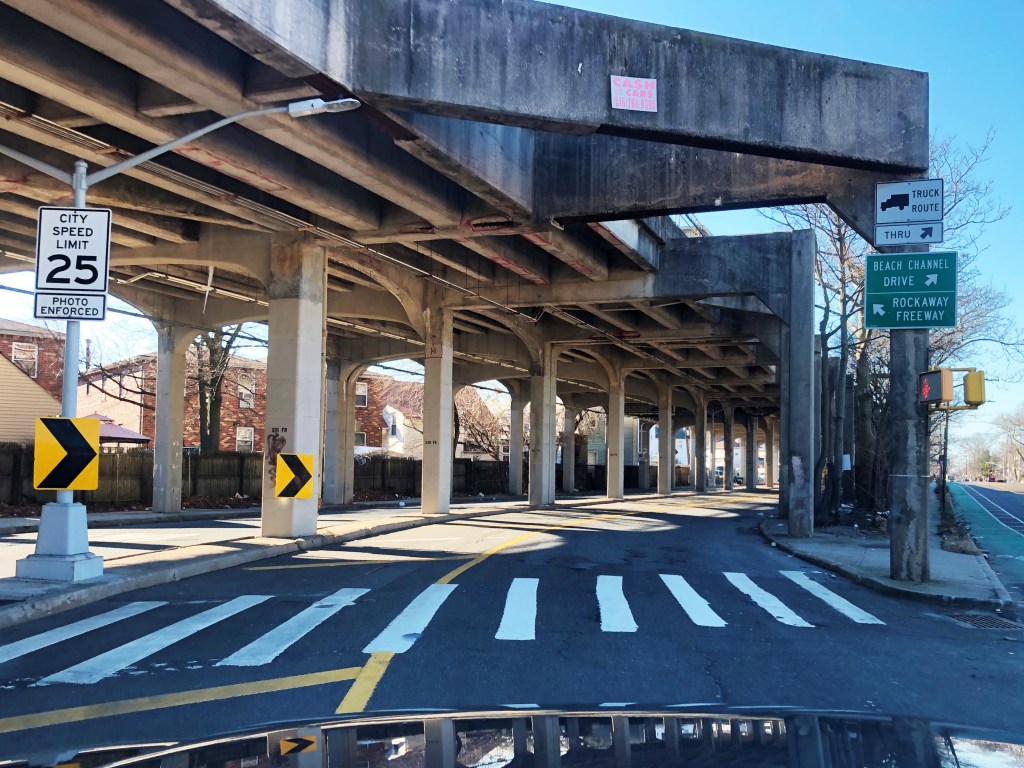
As I drove through the streets of far Rockaway on a frigid Saturday morning, this was my pondering. I had just retrieved two very fine examples of O scale locomotive technology for a friend and decided to embark on a little exploration of the area. Not that I hadn’t been there before.

I have a vague memory of being there…

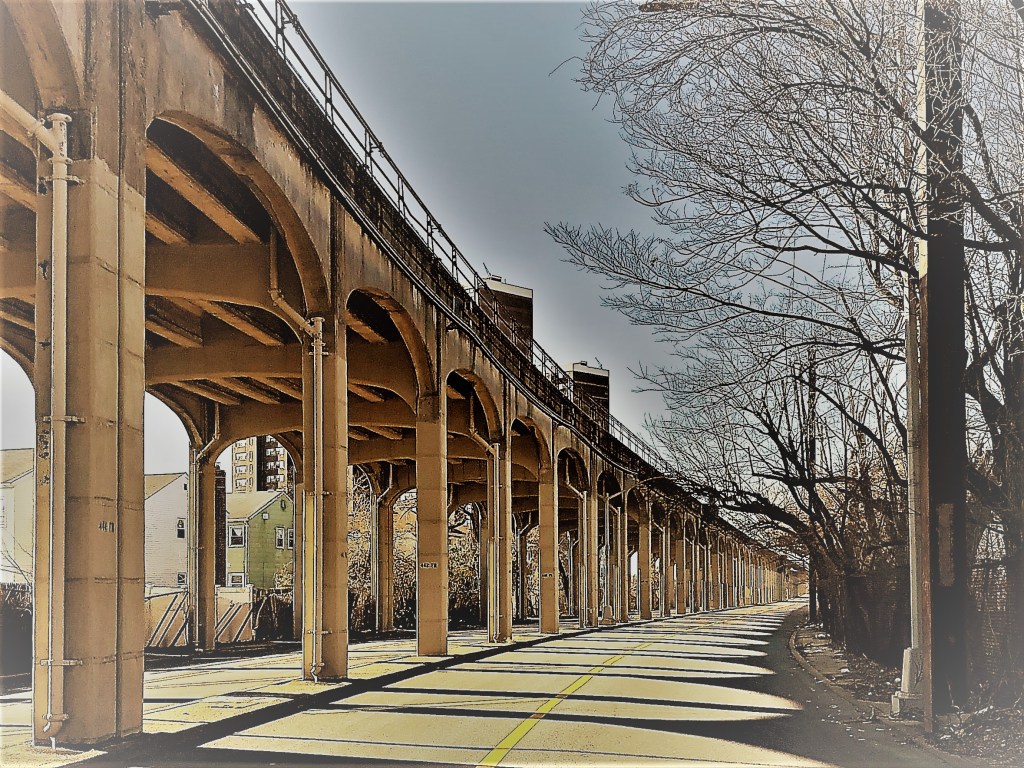
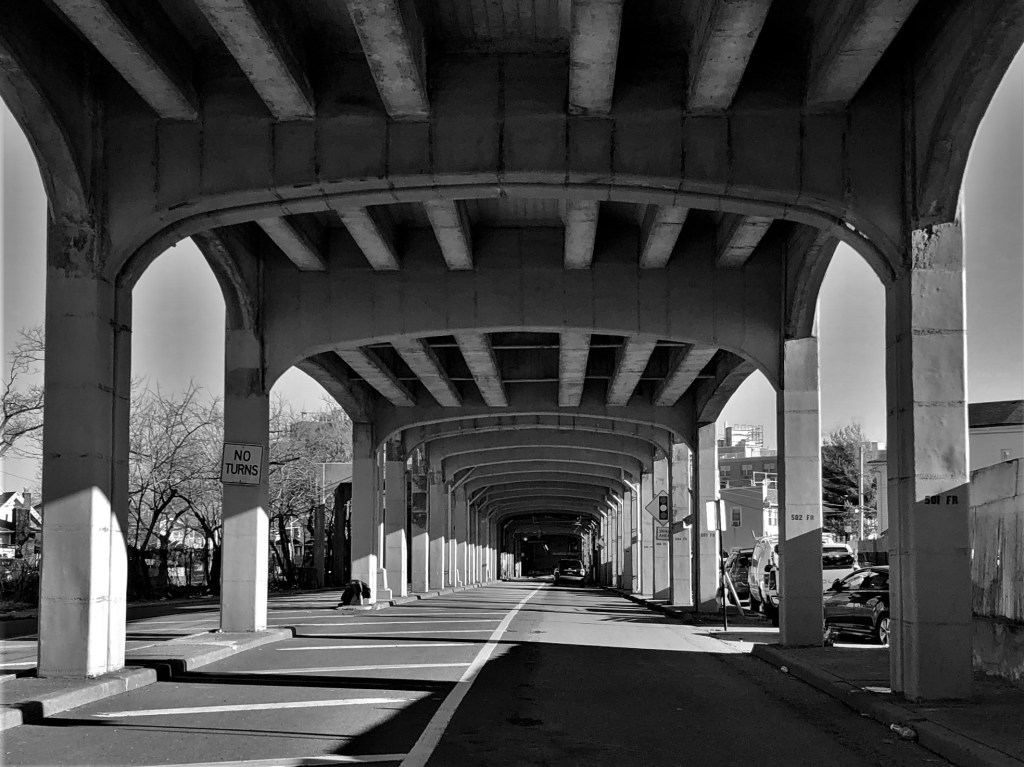
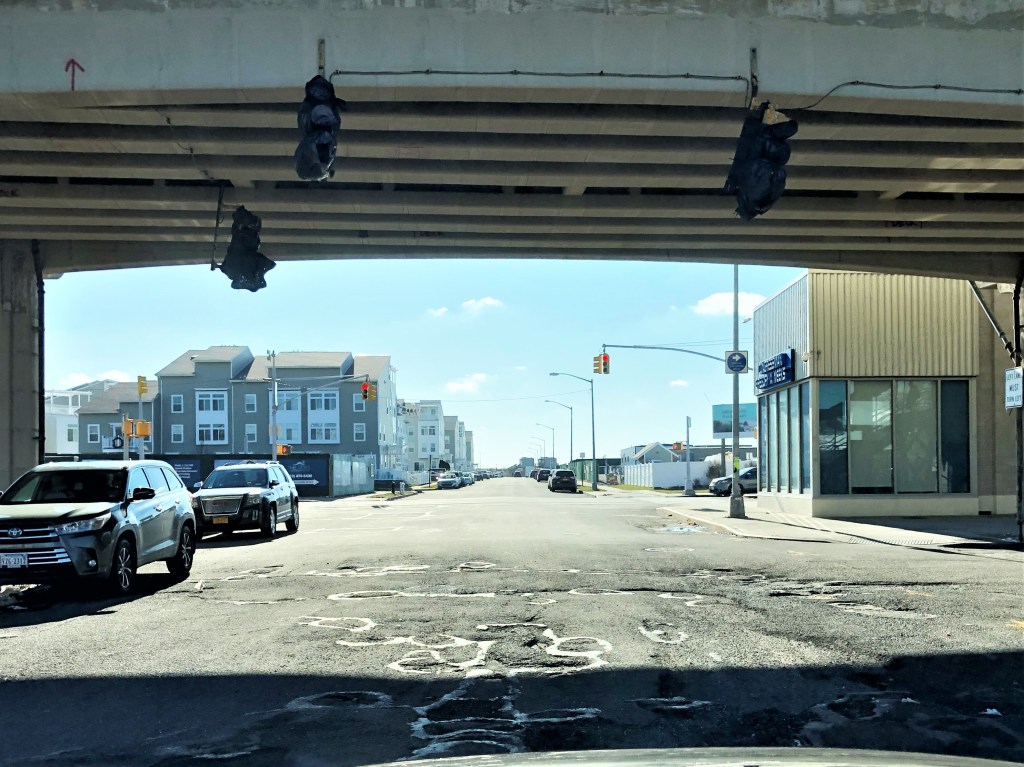
Curious to see the recent evolution of the area, I followed a fairly popular and recognizable chunk of infrastructure that threads it’s way through the communities there. The Rockaway Freeway runs along a decent portion of the MTA elevated subway line and despite a few signalized intersections, flows fairly well. Though much like the beach community of the Rockaways, some of the roadway there has transformed as well, not necessarily for the better.

The only thing missing is a sign reading “Abandon all hope ye who enter here”
Some of the aforementioned changes.

In all honesty, the freeway is not a bad stretch of road though I couldn’t see it handling any serious rush hour traffic. Many of the formerly signalized intersections there have actually been eliminated but there are now a couple of spots that have been closed off and repurposed for parking or simply decommissioned so continuity of travel is a tad inhibited.

The morning started chilly and didn’t improve so my exploration desires waned quickly. I’d seen what I wanted to see in the Rockaways and my intent was to shoot directly home. I grabbed a quick shoot at one intersection and found myself at a dead end at another…

…so off I went. Now for a guy looking to make tracks (sorry) I probably took a path most traveled (at least in Nassau County.)

Those of you not familiar with NY 27 or Sunrise Highway, picture it like this; take a perfectly good highway and add one hundred times the normal driveways and access points any one highway should have divided by the number of intersections required to drive a person to the brink of insanity.

Image result for free stock photo road rage
Maybe he should reconsider the Venti triple espresso next time. Courtesy depositphotos.com

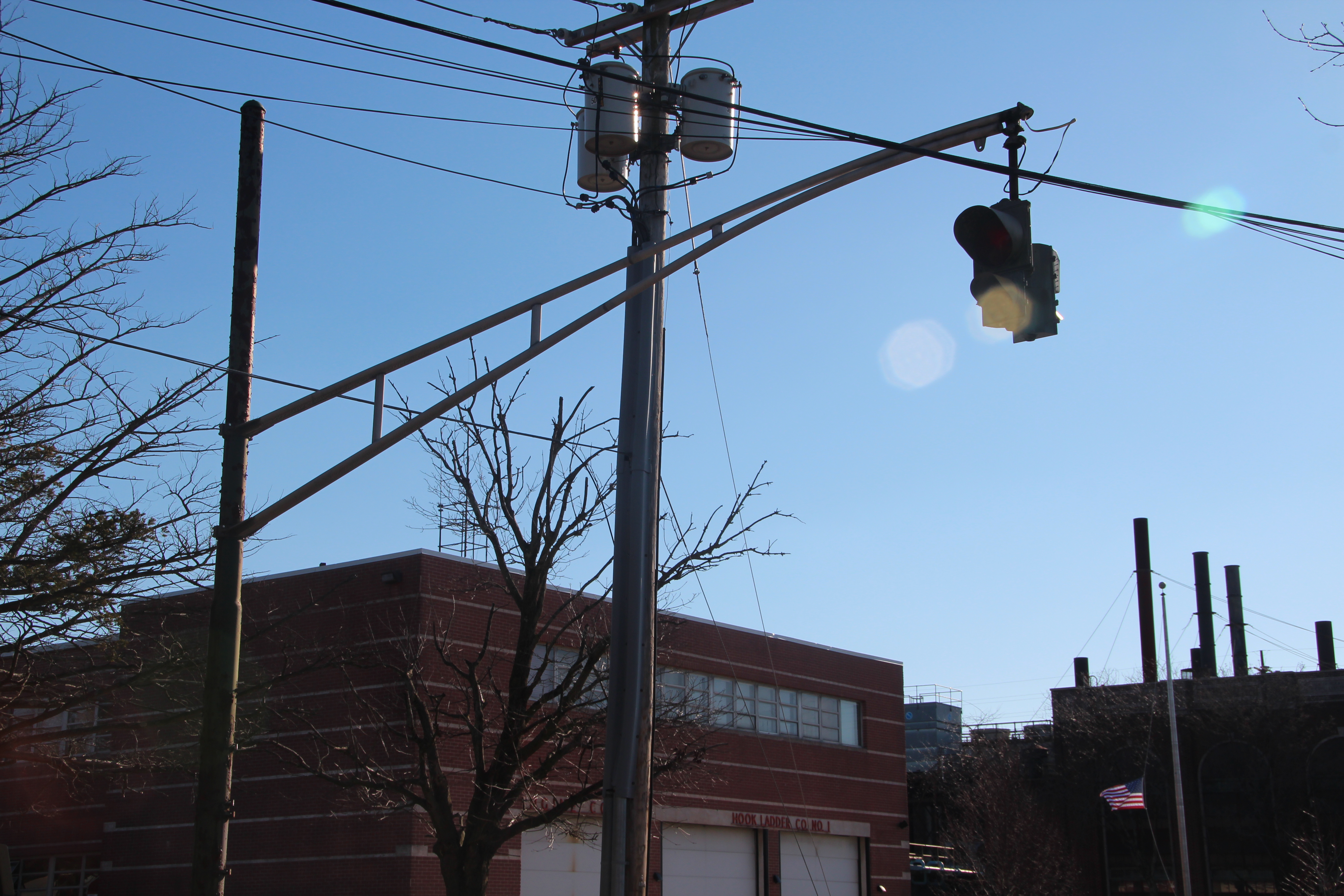
But the funny thing about waiting for a light to change at an intersection, you can look up and down a side streets. Though I’m not sure what made me look this time, Spidey sense, women’s intuition, I felt compelled to double back at the next intersection and head up this particular side street.

Jaw dropping moment in 3…2…1…

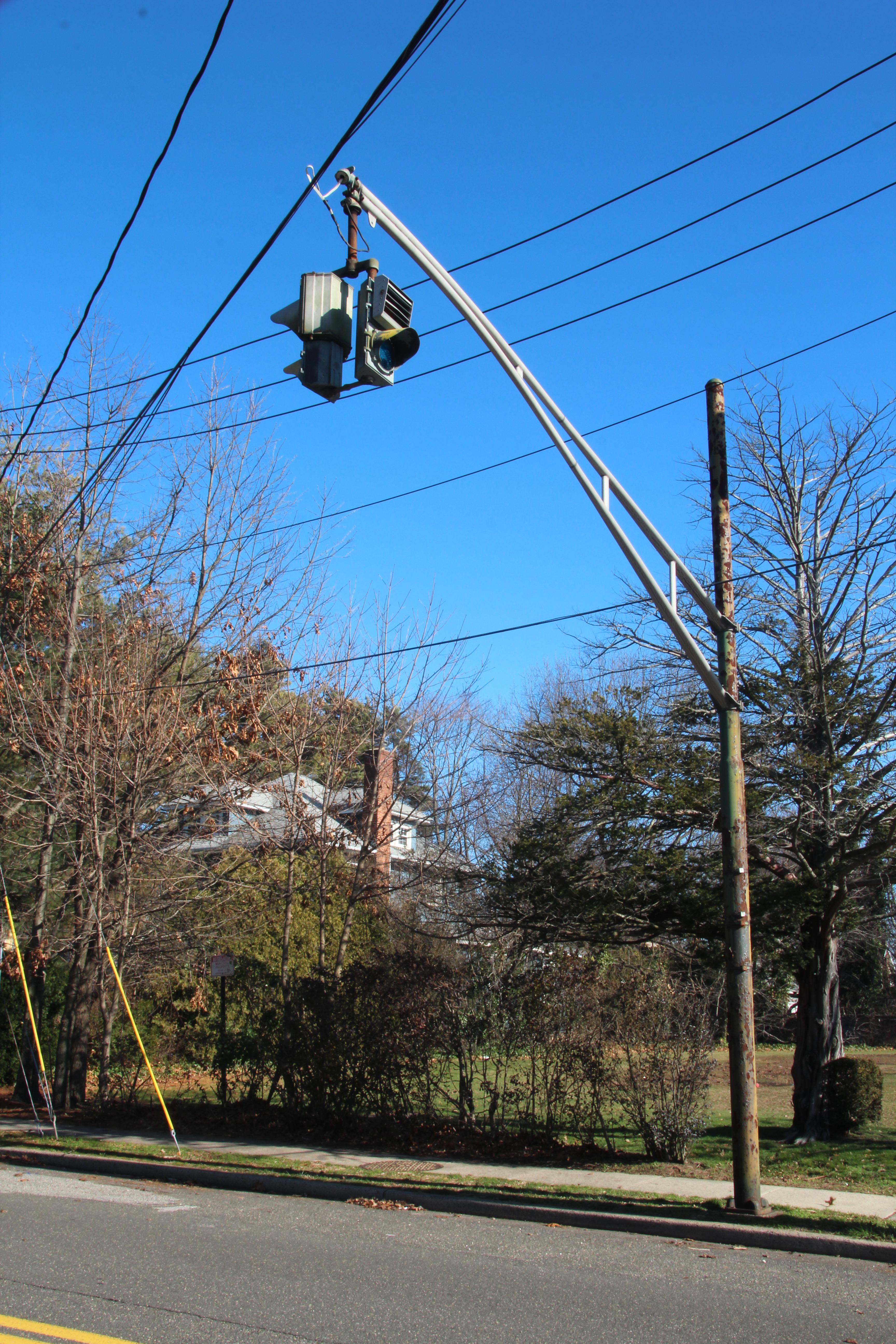
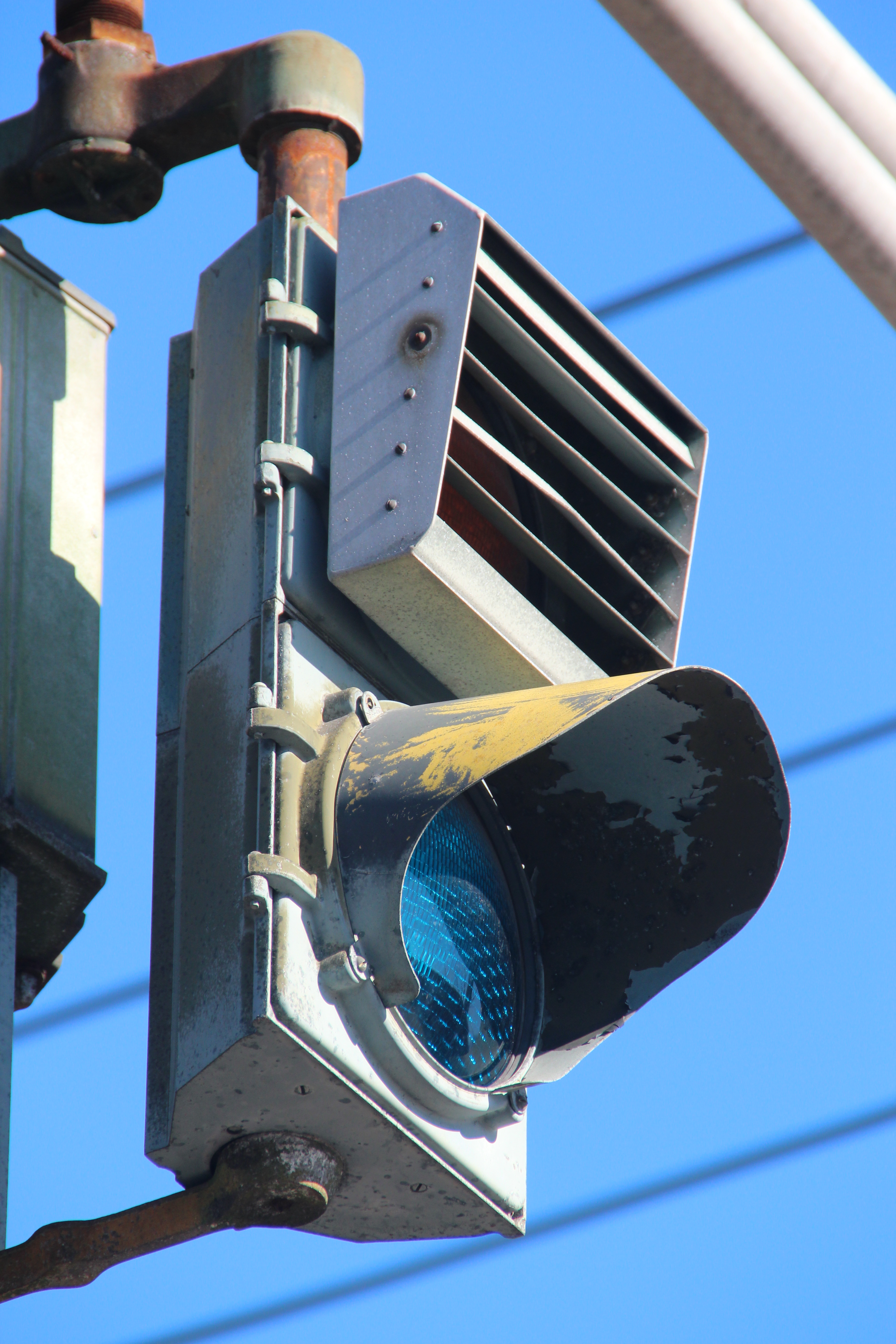
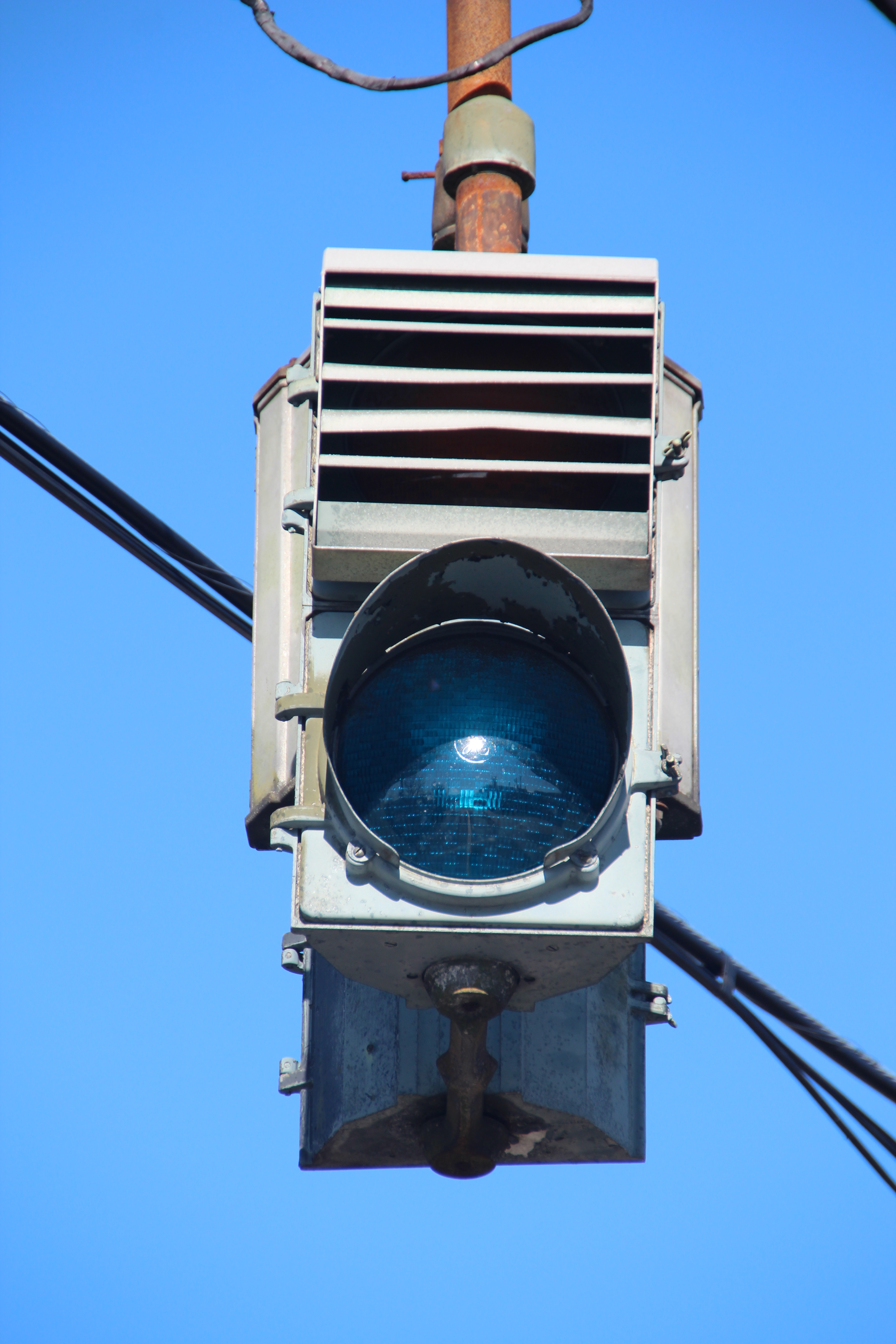
Is someone missing a dryer vent cover?

While only a fire station light, I was under the impression that Long Island had surrendered anything unique and vintage a long time ago. Well color me happy to be wrong. The thrill of finding a vintage piece like this in service made my blood flow so I took a chance that this road I detoured down might yield something else.

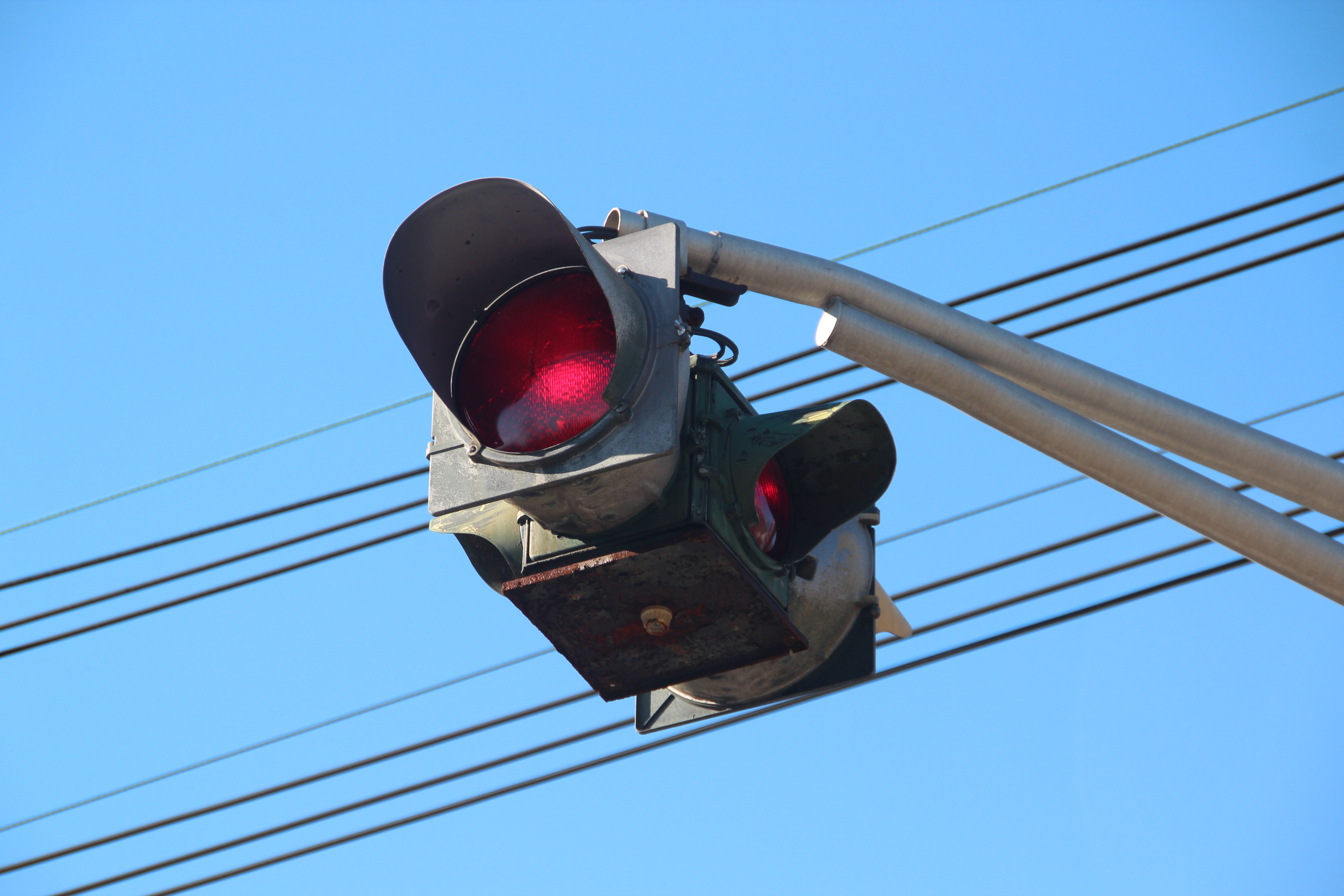
Head spinning moment in 3…2…1…(I really should see a neurologist about all this jaw dropping and head spinning.)

That reminds me, anyone else see Dumbo?

It just shows that a day planned is not always the best day you can have. I’d anticipated a quick ride out and back, such is my mood these days. Instead I was turned on my ear by simple sights and some exciting finds, hardly generic but nothing I was looking for in particular. In the end, I found more than I could have and not even close to where I started. I hold out hope that there still might be more finds in the future.

Excelsior!


I sell signals and signal related equipment on..

click the buttons to visit me and see what I have for sale right now.

All photos ©2021 3feetfromthestreet (unless noted otherwise)

Right what you know.

I don’t know traffic lights, not really. I know of them. I own many. I’ve sold many. Tinkered with many more but I don’t know traffic lights. You see, I’m not a traffic signal technician. A much as I would have enjoyed working in that industry, it was not to be. Steered in another direction in my younger days, it was thought that no money could be made in that field (right now I can hear couple people laughing).

Then I also told him he couldn’t make a lot of money on Amazon stock. photo courtesy Sony Pictures

So I went in another direction, then another and so on and so on, until I found a home…

Perhaps you’ve heard of them?

Well, it pays the bills anyway. You know already, that I began to collect in ernest and finding lights in disrepair made for better buys. Although I love the oldies, the newer stuff came easily and was great fodder on which to practice restoration skills. I’m handy at home, versed in tools from years of watching television home shows. I’ve owned 2 homes, built a deck, plumbed an apartment kitchen, assorted carpentry projects, the list goes on (and on and on, at least the one my ex-wife had, did.)

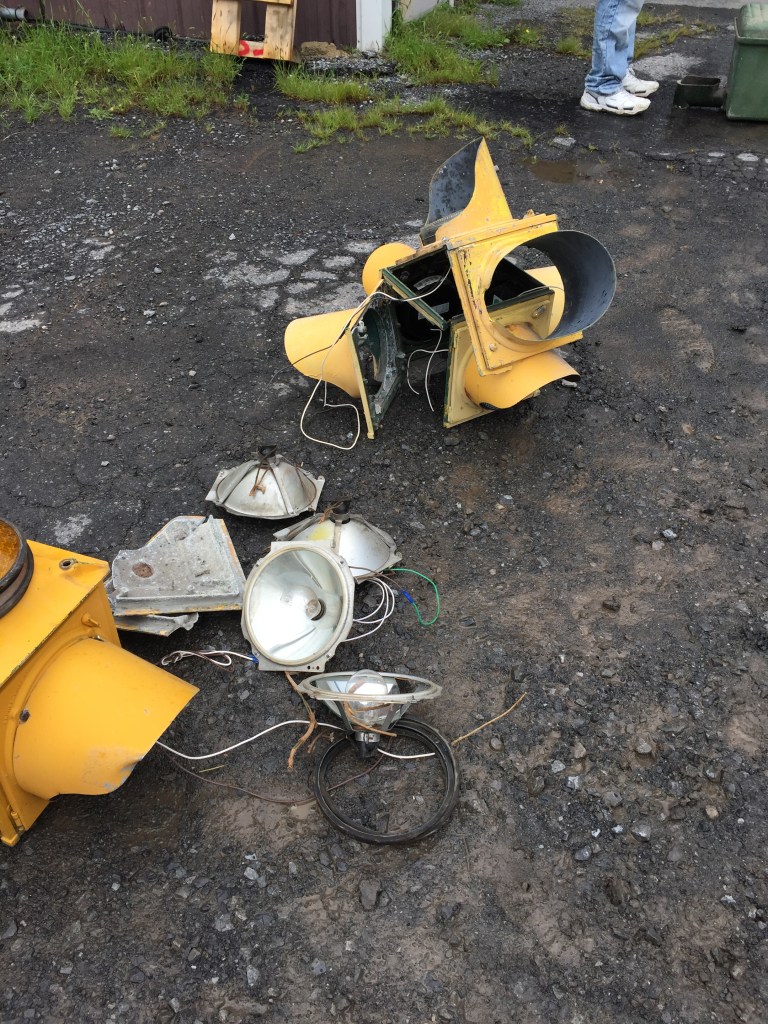
By now I’ve seen bunches of traffic lights in various states of repair.

Don’t worry, It will buff right out. ©2018 3feetfromthestreet

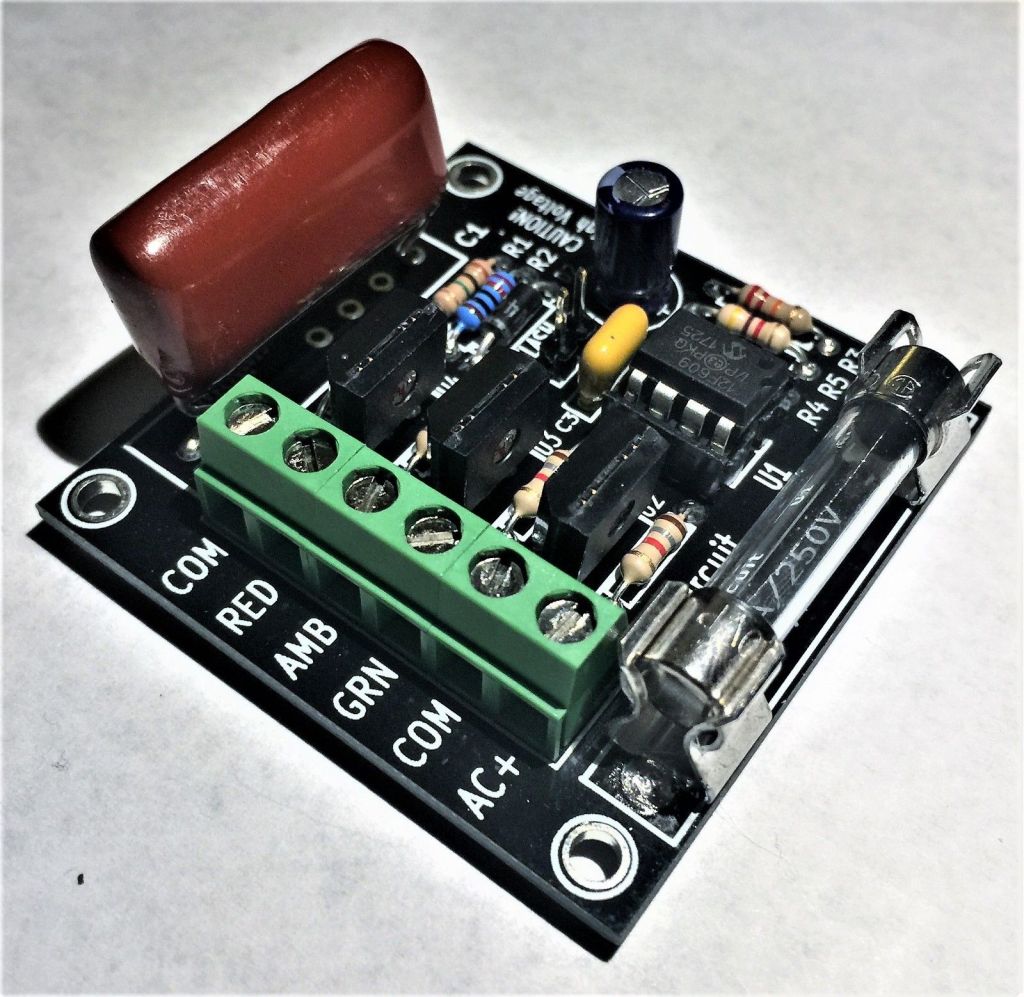
I’ve became familiar with the basics and I’m able to wire simple circuit board controllers to allow my signals to work as they do on the street. I do, in fact sell these little circuit boards.

AT 2″ X 2″, THIS IS A HIGH QUALITY CONTROLLER THAT WILL RUN A STANDARD RYG SEQUENCE.

If you are interested in purchasing one, you can contact me thru the

button below.


If you’ve had an opportunity to look inside a modern traffic light you’d see it is probably one of the simplest devices invented with one of the most sophisticated tasks assigned to it. Incandescent versions are a socket, reflector and light bulb enclosed in a housing with a lens and a visor. A while back I took it upon myself to make what I referred to as an homage to New York City two color lights.

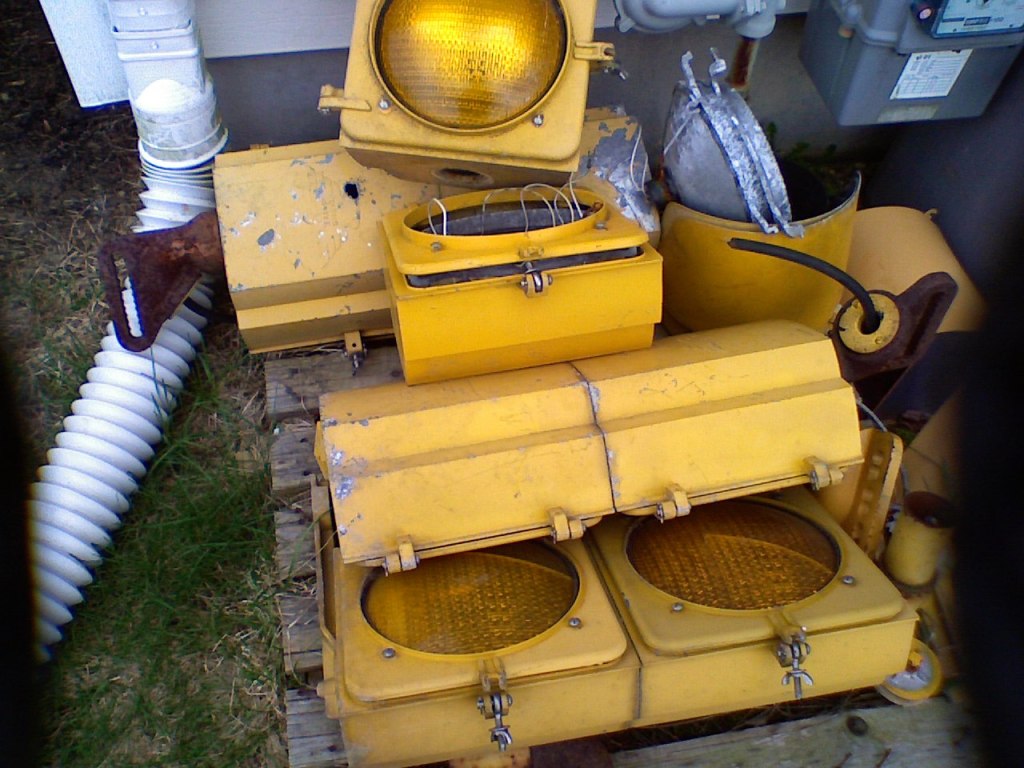
I was fortunate enough to have everything I needed in a small pallet of signals and was able to construct my ‘homage’. All I needed was a little elbow grease and patience. If you can make your first restoration a simple, successful one, it will give you the confidence to move to the next and possibly more complex project.

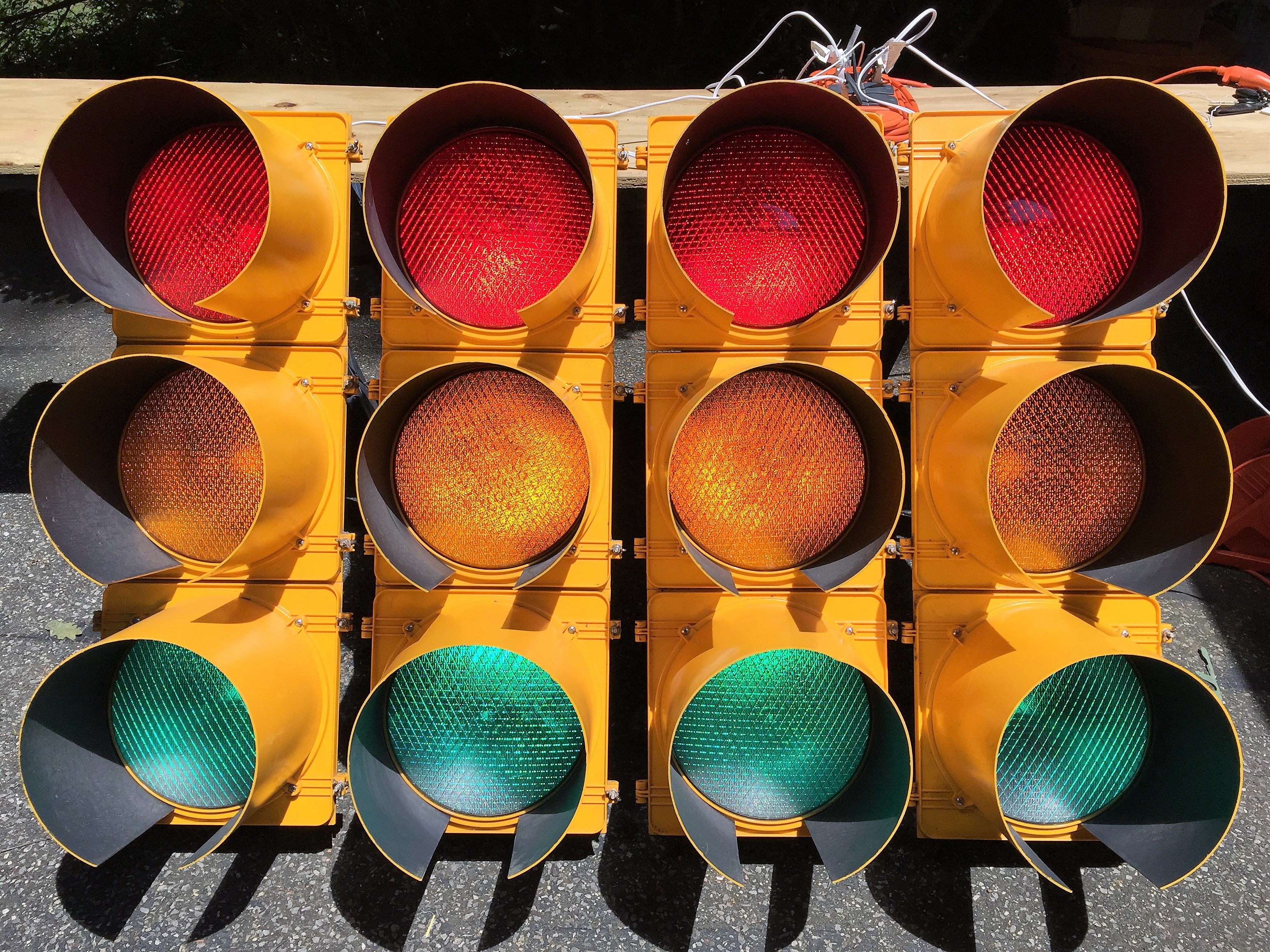
When the LED transition happened, signals themselves became a simpler construct.

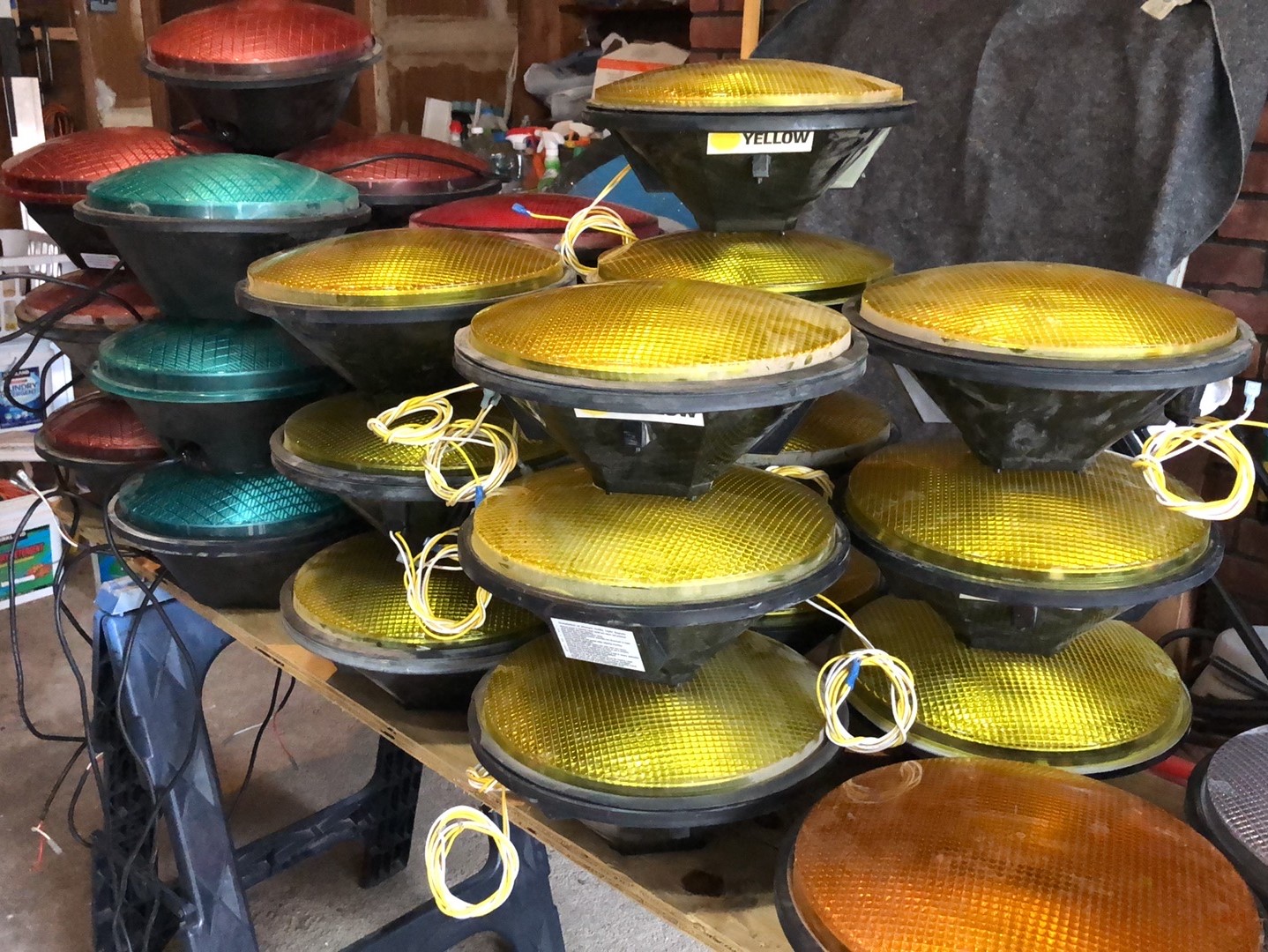
Simple construction but storage on the other hand…hoo boy. ©2019 3feetfromthestreet

While LEDs can be an entirely different conversation (and will be down the road) there are those who are die hard incandescent fans. And then there are those who appreciate both. Early LED units were unattractive, often referred to as ‘pixilated’ and primitive by comparison to today’s units. This contributed a great deal to wide spread early dislike among collectors.

Early Dialight LED units. The 12″ units (top) represent an attempt to give the units a ‘full ball’ look. ©2017 3feetfromthestreet

Let’s face it, glass lenses definitely gave the lights a certain style though the intent was the broadest distribution of light for the greatest visibility of the indication.

Red large bead smiley. Turning collectors into LED haters for 20 years. ©3feetfromthestreet 2010

Yet even with modern heads there are details that can come into play as you begin your restoration. First, what are the obvious defects? Broken glass lens, body damage, missing visors, missing parts?

A general malaise that makes you feel like you’re not all together? ©2019 3feetfromthestreet

The newer the signal, the less of a scavenger hunt you will have for replacement parts. However, older heads, let’s say 20’s thru the 40’s, could require some legwork to find parts. It also depends on the brand/maker of the signal. Even within a specific brand you have to make sure you know what you’re looking for.

Manufacturers sometimes changed production techniques within specific models for whatever reason they deemed was required. For example; Eagle signals had a couple of different door styles that had variations on the hinges. One style simply allowed the door to be lifted off the body by simply removing a clip, while a different style required pins to be removed as well. This is a little more labor intensive and a process which could damage the hinge on the door or body itself.

This is just one example. Eagle also had cast visor doors in which the visor and door were an integral unit and incapable of being separated without power tools which of course changes the integrity and value of the light forever. Then there were different body styles and a merger which led to even more changes all while still retaining the Eagle brand name on the light.

Like a bad game of Life, mergers happen…

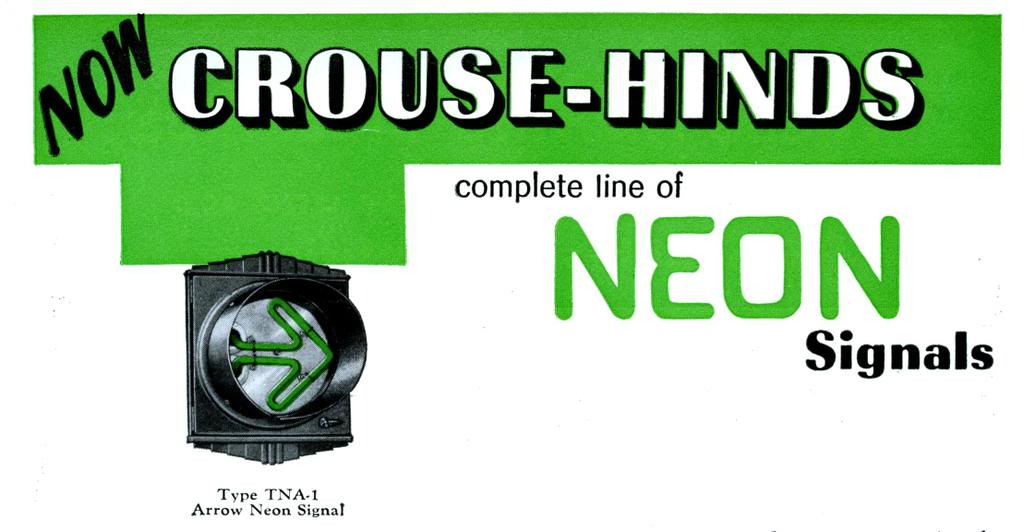
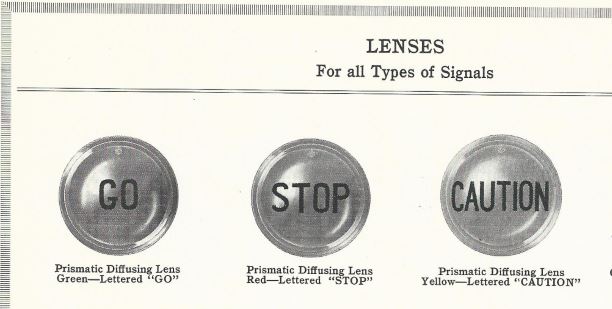
Want complexities? Early on, many brands had proprietary lenses. The aforementioned Eagle had a fantastic ‘stop/go’ crossed flag logo on their lenses and as you have previously seen, Crouse Hinds had command lenses as did other brands of signals.

Don’t be so bossy. Excerpt from the Crouse Hinds catalog 225

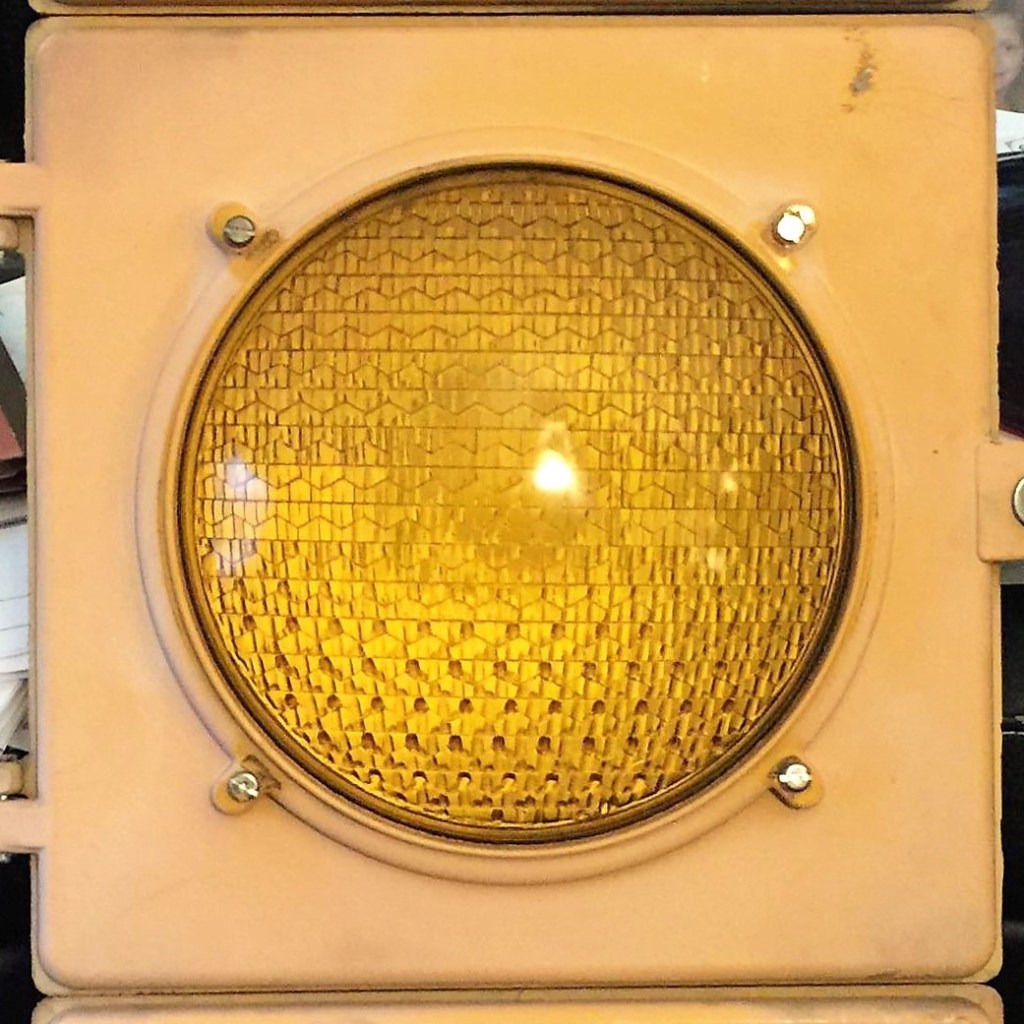
They also had a lens popularly referred to as a ‘Smiley’. There were few incarnations of the smiley lens, the first being a ‘large bead’, then a ‘small bead’, then a ‘faint smiley’. The term ‘bead’ referring to the pattern just above the ‘smile’ on the lens. Marbelite signals sported lenses with their famous logo an ‘M’ with a lightning bolt thru it. That came in two variations, one called a ‘long bolt’ and one called a ‘short bolt’ and that only continued until they retreated to a lens commonly produced by Kopp glass aptly entitled by collectors as ‘saw-tooth’ (and reviled by many of those same collectors for reasons I know not why).

Could be worse, could be poly… ©2019 3feetfromthestreet

Corning, Kopp, Holophane, Macbeth-Evans, all manufacturers of glass lens for traffic signals, however nothing lasts forever (except that damn chores list). Like a bad game of Life, mergers happen, companies go bankrupt, budget line items are trimmed. Product lines disappear to history. The challenge increases.

Fill in the restoration blank of your choosing. pedestrian signals, lane control signals, school zone flashers, controllers and what else? There are tons of old lights out there, what will you restore?

If you have a great old signal or even a newer one you’re seeking to return to glory, you’ll need to play detective and not only find out what parts were appropriate with your project but where they are. That is part of the fun for some. Remember if you want your light to look like it came off the factory floor you have to acquire the knowledge. This way you can make it..right.


I sell traffic signals and parts on ebay. I can also be found on facebook.

If I leave here tomorrow…

I spoke last time about the sometime unwieldy nature of collecting traffic signals. Their obvious size and shape should theoretically make them the least likely candidate for collection and display. After all they are specifically sized and designed for outdoor use.

You ask him where the tip of that cone is. Guiness Book Of World Records

People around the world collect just about anything from autographs to traffic cones and it would seem that many things traffic related are collectible. Street signs, cones, street lights, parking bollards, the list goes on. By comparison, the modern traffic light does not present itself as an item to be collected individually, nevermind en masse.

The first traffic lights were more like revolving lanterns with tinted glass, most likely based on railway lanterns. The earliest was 1868 in England, described as I have stated and powered with gas. Here in America, the first was invented by Lester Wire and resembled a birdhouse. Later (1920) William Potts would be credited with the invention of the first 3 color light a.k.a. The Potts Light in collector circles.

The last original Potts light as seen in the Ford Museum, Dearborn, MI. ©2015 3feetfromthestreet
The first reproduction of the last Potts light as seen in the Jerry Bock collection, Detroit, MI. ©2015 3feetfromthestreet

Wait a minute…did you say collector circles? People are collecting these things? Absolutely. There’s a whole community for stuff like this. But the whole community is spread out out over several platforms and social media pages as well as web pages. Mr. Jerry Bock, for example has a fantastic web page regarding his collection. But a couple years back he began to think about its future. The enormity of it made him wonder what would become of it when the time came that collecting would no longer be an issue.

Being well known among the collectors, he sought to find buyers for some of the pieces he had the least attachment to. As a result some of this collection found new homes to those who appreciated it the most. I was fortunate enough to have been bequeathed his reproduction Potts light, in exchange for assisting he and his family in touring the city on their Memorial Day vacation a couple years back. A long time New York resident, I’d seen enough of the city to help out with the points they wanted to see and I was able to show them a good time (so they tell me). I’m forever grateful for his generosity.

They got legs and they know how to use them. Front to back, a three bulb Darley, an Eagle and a Master. ©2015 3feetfromthestreet

Wait a minute… collector circles? People are collecting these things?


I expect that someday I too will need to find a new home for my collection which not only includes traffic lights but a humongous collection of signs.

they’re not your grandmother’s thimble collection

Right now I’m going through the ‘pain’ (for a second time I might add) another fellow collector went through several years ago. That of having to move the unwieldy but most precious (none more precious) signal collection. Known best as Signalfan. he had a fabulous backyard ‘signal garden’ at his residence in California.

http://www.signalfan.com/index.html

Spectacular neon pedestrian signals, Econolite heads shouded with huge California backplates. Classic Crouse Hinds deco signals and fantastic electromechanical controllers.

http://www.signalfan.com/bio/garden.htm

Eventually he moved halfway across the country and had to relocate his ‘garden’. A herculean effort best handled by professionals. His prep work in dismantling everything went a long way in getting things moved and established in his new home. Certainly moving was not a bad thing as the current incarnation of his collection is just as fascinating to view and he has since incorporated his love of model railroading in with that, a fantastic HO gauge layout named the Des Moine Valley Railroad.


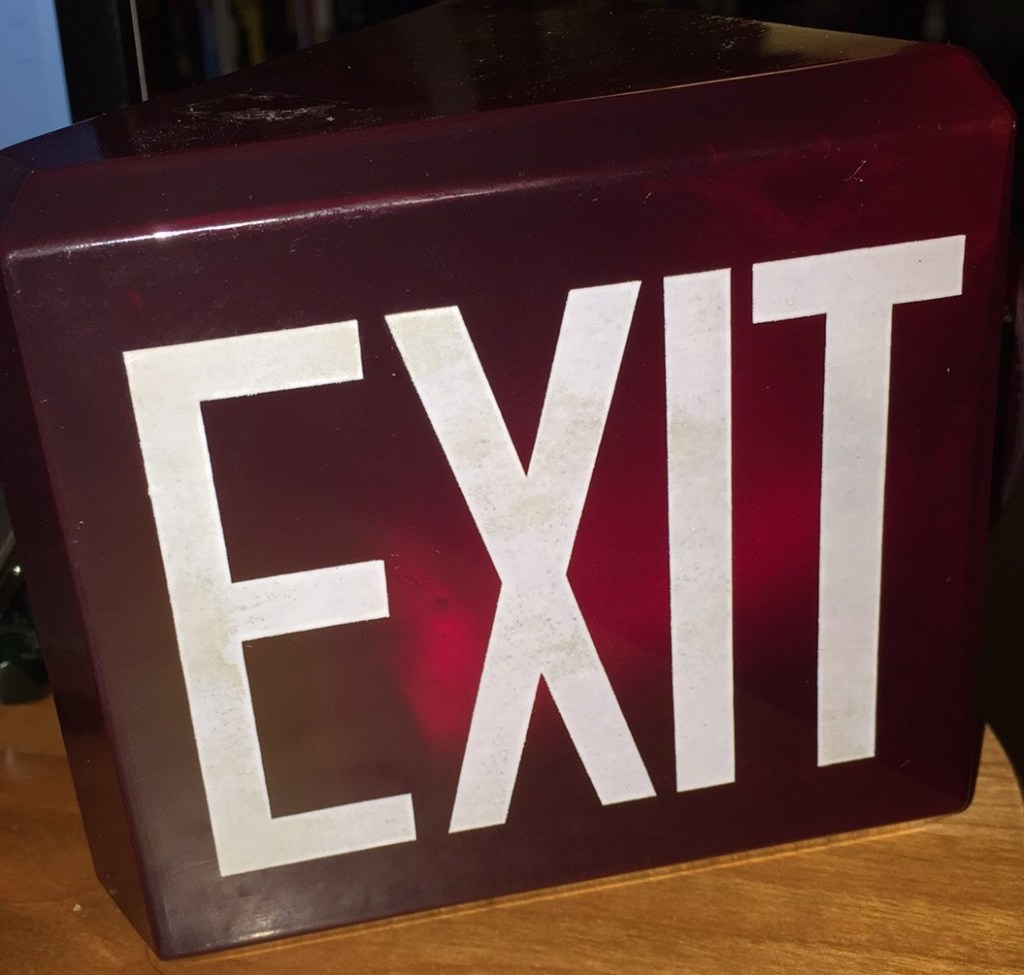
Ruby glass EXIT globes are a huge collectible except when they aren’t. ©2018 3feetfromthestreet

So go ahead. Collect away. Last count shows over a 150 brands of signals and accessories produced over a period of 100 years and that doesn’t even include European models. However, just remember, they’re not your grandmother’s thimble collection.

My grandma didn’t collect thimbles though. She was big on nickel slots. photo by Carolee Trezak

Consider the fact that at some point there might be a relocation in your future or that you might outgrow your desire to collect signals. But have an exit strategy if that day comes when your collection needs to move on.


I sell signals…

…and signal related equipment through Facebook and eBay. Please look at my ebay listings and then contact me at 3liteguy Signal Salvage – Traffic Signals for Sale to purchase.

All photos ©2020 3feetfromthestreet except as noted

Unique Roomates

900 square feet. For six plus years now that has been the limits of my living space give or take a few feet. For most of my adult life, my dwellings have been full fledged houses with real green grass property. When the time came, post divorce, to establish residence at a post divorce income level, I was able to get into a classic multiple unit facility with a bit of a walk from the parking lot. This meant I would have neighbors all around me 24 /7 and as such daily actions such as ferrying signs and signals in would come under some scrutiny outside the walls of my humble dwelling. Indeed, it is true an eyebrow or two was raised.

Now, I could have collected anything in my life. I believe there is a gene within my families DNA that perpetuates this. Over the years I have collected many different things from coins and stamps. In my youthful years, trinkets that little boys often pick up in their meanderings, bottle caps, beach glass handfuls of rocks. Later it would be model trains. Some collections endure while others vanish into the folds of time. These flirtations were later replaced with my boyhood love affair with…comic books <choir sings, clouds part and heavenly rays of sunshine stream down>. I worked hard to support that collection and enjoyed it thoroughly. I began to envision myself a writer and artist in the pulp comic world, but reality fermented other considerations and I placed that dream in an acid free, Mylar sleeve.

“Collect us or else, bub.”
Xmen comic cover courtesy of Marvel Comics
All the best stuff is made of plastic.

Passions come and passions go. Well, perhaps they rise and fall as they never really leave. The circumstances of our lives put these passions into perspective. It wasn’t until I received a gift on my 18th birthday that one of my interests gained a whole new dimension. I had loved traffic lights since I was a small boy. I will never understand why, but through out my childhood I had this overwhelming fascination for traffic signals. My mom, sensitive to this, managed to adorn my room with some form of traffic signal decor. This is not uncommon for children as it is one of the ways parents teach them traffic safety.

Jump to my 18th birthday and on this sunny summer afternoon my folks present me with an honest to goodness real, fresh from service traffic light. Could this be? Could a plain old citizen have one in his home? I had seen these in business and restaurants so I assumed they were expensive to acquire, but damn if there wasn’t one right in front of me, green and mean and ready to be hooked up. Clearly branded on the back Crouse-Hinds, I now knew the manufacturer but it would be two and a half decades before a little thing called internet would tell me the model (Type R). What’s more that there were dozens of different varieties past and present. A collectors dream!

collecting traffic lights is like eating Lay’s potato chips, you can’t stop at just one

I have heard fellow collectors say that collecting traffic lights is like eating Lay’s potato chips, you can’t stop at just one. True to form my collection currently boasts in excess of 60 signals in various conditions. Some of these date back as far as the 20’s and 30’s. Not all of these are within the boundaries of my 900 square foot abode however, most are stored elsewhere until they receive the attention they deserve.

As for my stoic roommates, these guardians of the intersection serve now at my leisure. A bit of entertainment and a distraction to tinker with. Oh sure, I could have pursued a coin collection, (as my son often wishes when a sizable find needs to be lugged home) but there is nothing that is as deeply rooted with me as there is with this fascination and admiration for the venerable traffic light.

and because we needed a few more traffic signals here…

All photos ©2020 Threefeetfromthestreet


I sell signals…

…and signal related equipment through Facebook and eBay. Please look at my ebay listings and then contact me at 3liteguy Signal Salvage – Traffic Signals for Sale to purchase.

Follow My Blog

Get new content delivered directly to your inbox.

You are following this blog (manage).