
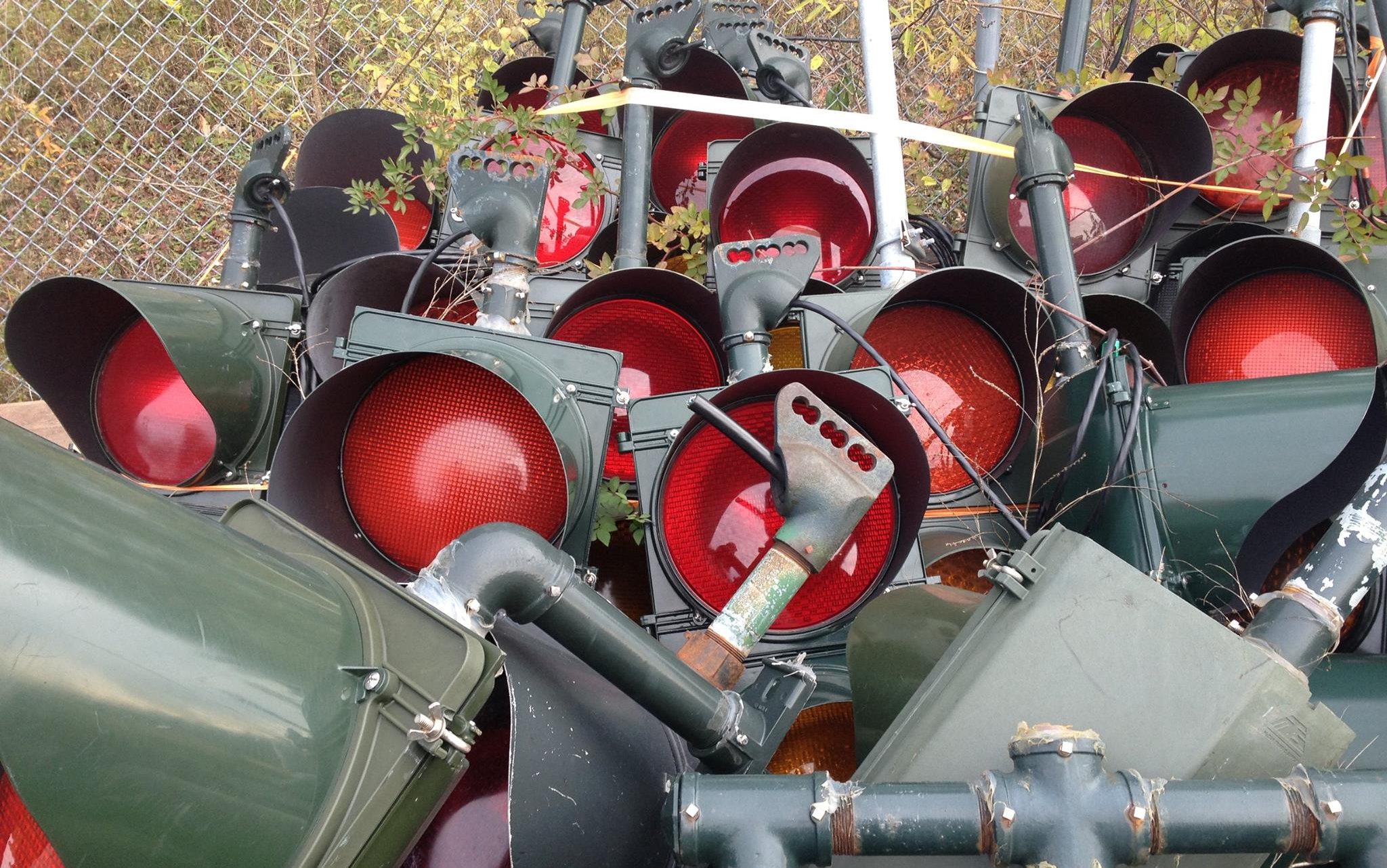
It is probably not worth what you think it is and it is important to note, there is no traffic signal bluebook by which value would be assigned so any appraisal would be subjective.
So now you’re listing it and the big question is; How? Chances are, unless you’ve worked in the industry, to you it’s just like ones you may drive by every day. There are pitfalls in writing a description for an item such as this that can leave you sitting with it for weeks or months before you are counting your profits.

Photo by Ju00c9SHOOTS on Pexels.com
There is one immutable fact when buying or selling nearly anything collectible. The item in question is only worth what someone is willing to pay for it. However, factors such as age or quantity may and can exert tremendous influence over collectability.
The term rare (not found in large numbers and consequently of interest or value) can play an integral role in this. Two additional terms are invariably brandished in describing the collectability of an item; antique and vintage. Their definitions have been so widely used and abused that it is nearly indiscernible as a true descriptive adjective for an item in auction or sale.
By definition, The term antique is defined as follows;
any work of art, piece of furniture, decorative object, or the like, created or produced in a former period, or, according to U.S. customs laws, 100 years before date of purchase.
As it relates to automobiles however, it is defined as an (adjective); noting or pertaining to automobiles approximately 25 years old or more. Additionally the term vintage means; the class of a dated object with reference to era of production or use.
As it relates to the ‘hobby’ of signal collection and restoration, the term antique could loosely refer to a period between 1920 and 1960 as this period is between fifty and almost one hundred years ago. Traffic signals are closely associated to automobilia and by extension antique automobiles themselves. Comparatively, vintage is used erroneously. This term instead should be used to refer to a period of origin or manufacture, which may or may not contribute to the value of the traffic signal in question. This still leaves unanswered, the issue of rarity.
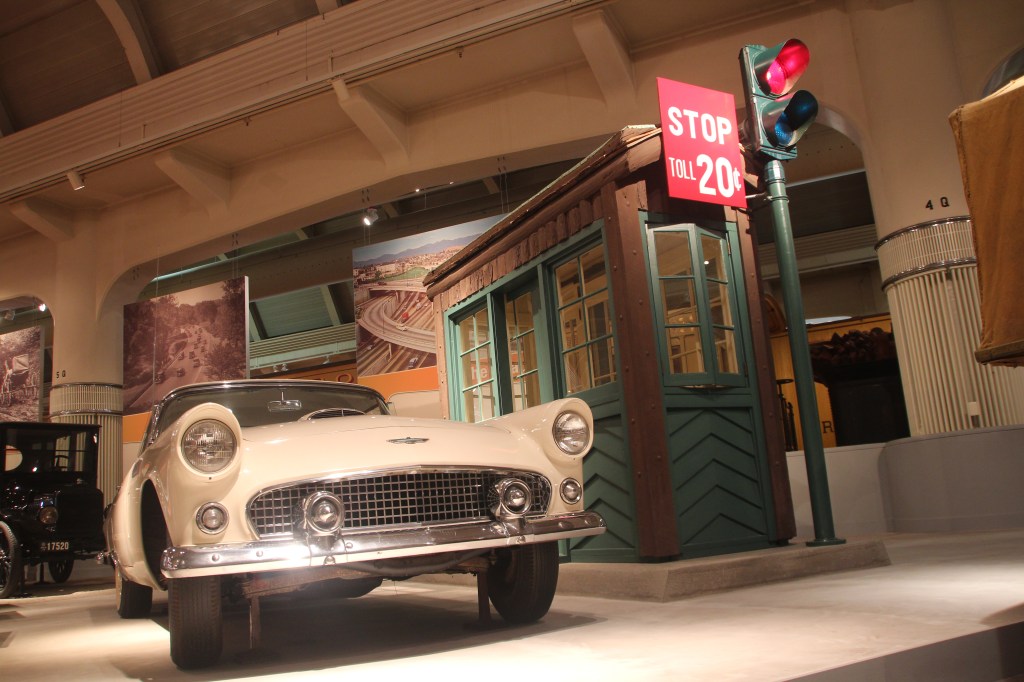
Many types of collectibles such as coins, automobiles or comic books have well documented records supporting production quantities and in certain instances remaining quantities and condition. While there have been many manufacturers of signals over the years, many have merged and have gone out of business. The Institute of Transportation Engineers has noted that there is no comprehensive data collected on the number of signalized intersections in the United States, so it would be at best a very rough estimate as to the actual number of signals produced, ordered, placed in service and removed or destroyed.
Other factors that come into play can be considered variables. Special requirement items, prototypes, experimental design or one off items. Among these categories are things like angled visors or doors, special lenses or items in that vein. It is safe to assume a greater rarity on these types of items based on original needs for these types of devices to begin with.
Other suggestions in listing a signal are basic but often overlooked. Be sure to use clear, well lit photos. Photograph the signal you’re selling in day light.

Take pictures of the inside as well as the outside and be sure to show any visible damage, cracks, dents or holes. Show the top, bottom, back and front. Most signals have their brand name on the back or inside. Some manufacturers also have their brand names on the lenses but be aware that many municipalities reused lenses until LED’s took over so there is the likely of brand mismatch. Include as many brand names on all parts on the signal.
Additionally, road flares are not traffic lights. Automotive head or tail lights are not traffic lights. Theater gels are not traffic lights. Parking meters are not traffic lights. Signs are not traffic lights.

There are separate categories for all of these items. Using the word signal or light will most likely cause eBay to default to the traffic signal category so take time to research the item properly.The resources are just a google search away. A little research will go a long way toward a successful sale.
I sell signals and signal related equipment through Facebook and eBay. Please look at my eBay listings and then contact me through facebook at 3liteguy Signal Salvage – Traffic Signals for Sale.
3liteguy Signal Salvage – Traffic Signals for Sale

 3 Feet From The Street