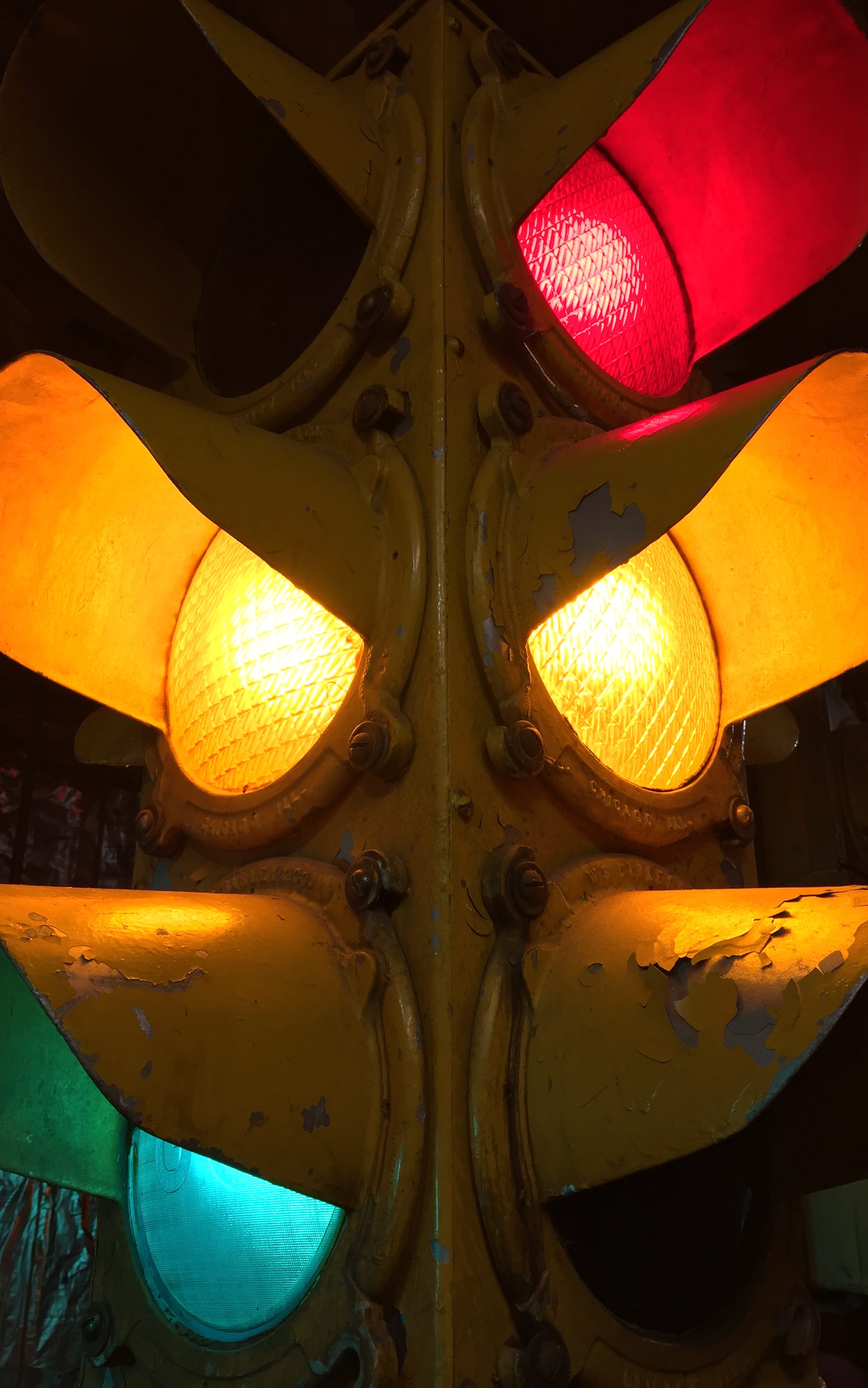
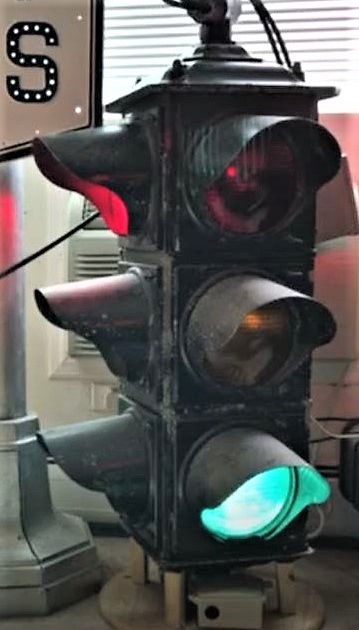
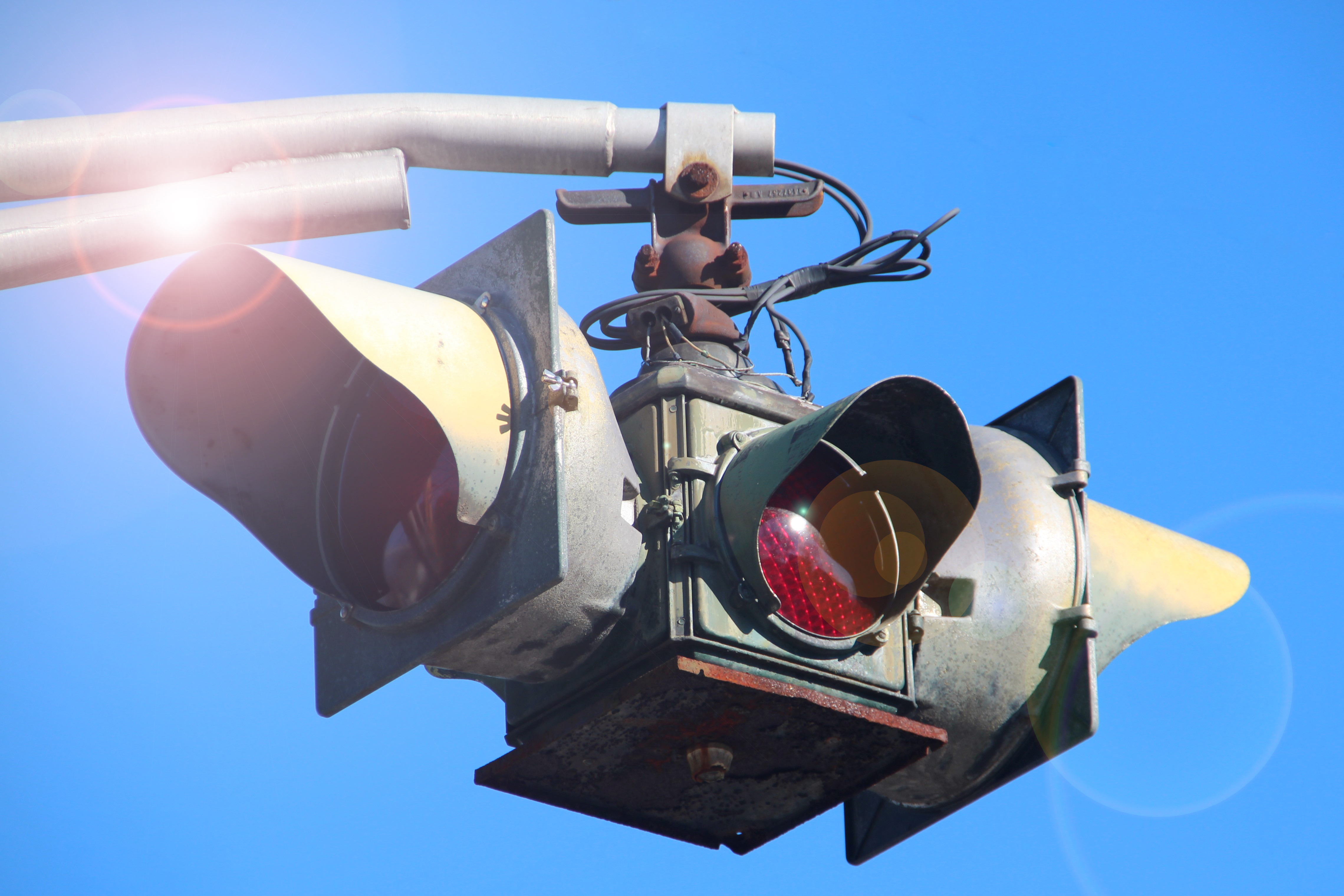
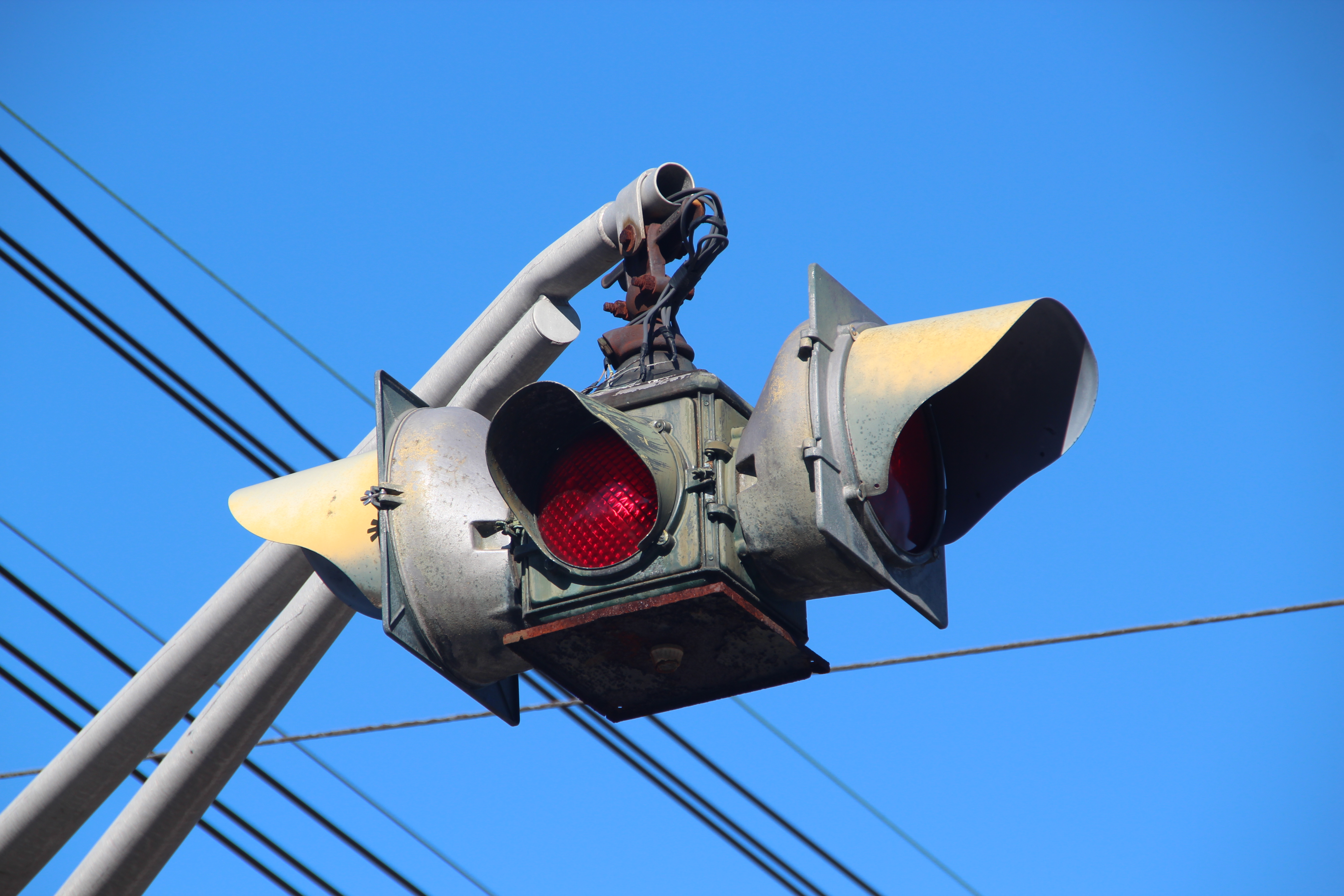
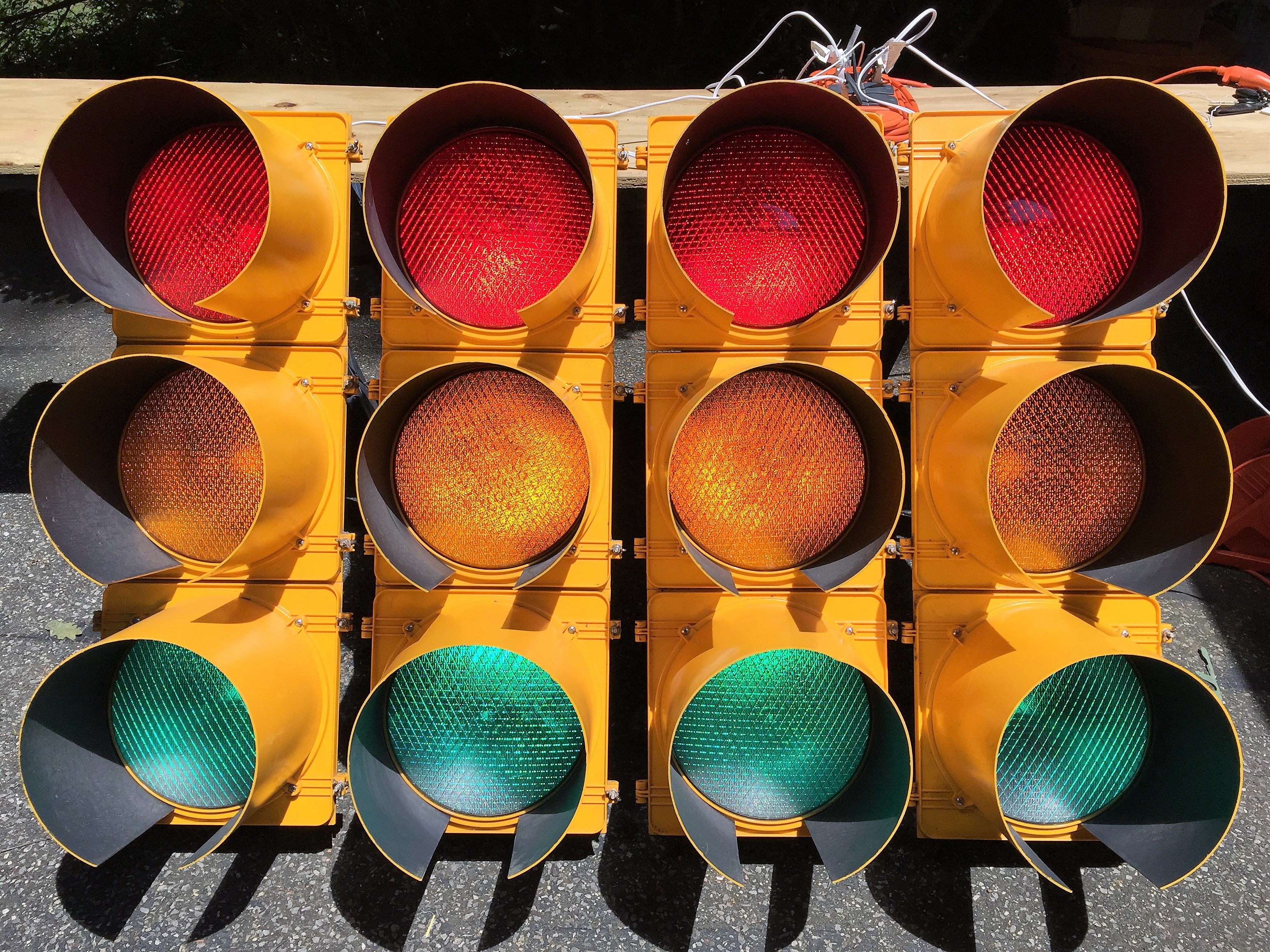
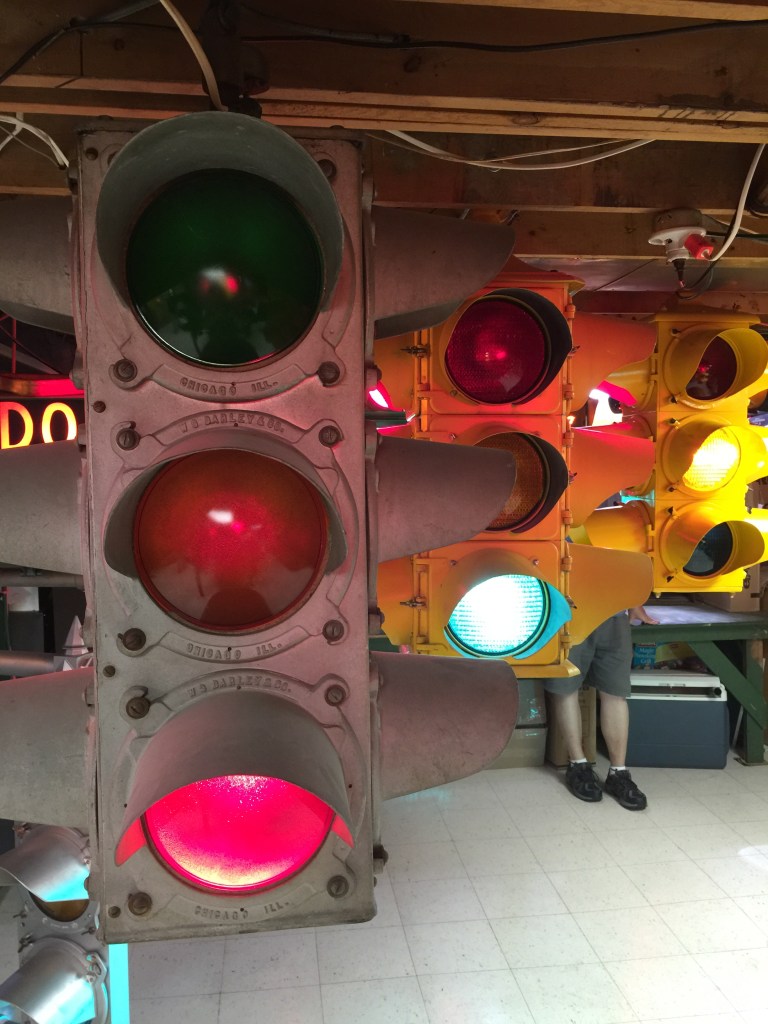
WS Darley 4 way from a private collection
“Often, the story of an artifact’s journey is more remarkable than the object itself.”
― Mackenzie Finklea, Beyond the Halls: An Insider’s Guide to Loving Museums
I have not read Ms. Finklea’s guide though I’m sure based on this quote her and I might share some common viewpoints. Indeed as I was searching for quotes on provenance or, as one might say, backstory or history, the above quotation fit my thoughts in this blog like the corner of a thousand piece puzzle.
My aunt works in a jewelry store and as many of these stores do, they buy estate pieces and many of these, sadly, are recycled for their precious metals and gem stones. However, once in a while, if the story behind the piece is intriguing, my aunt will ask if she can purchase it from the store and usually they let her for the cost. She makes it a point to know the backstory of the pieces that come across the counter and that in conjunction with a proper combination of metals and stones ensures she will get much more than the intrinsic value for the piece. Such is the significance of provenance and its effect on value.
When eBay came into being and moreso when it became successful, many ‘antiques’ values dissipated. Was this due to a sudden ubiquity of many of these pieces? Perhaps. After all when an item is no longer unique, it’s desirability wanes. This is all conjecture on my part, of course as I’m not sure there is any hard data to back this.
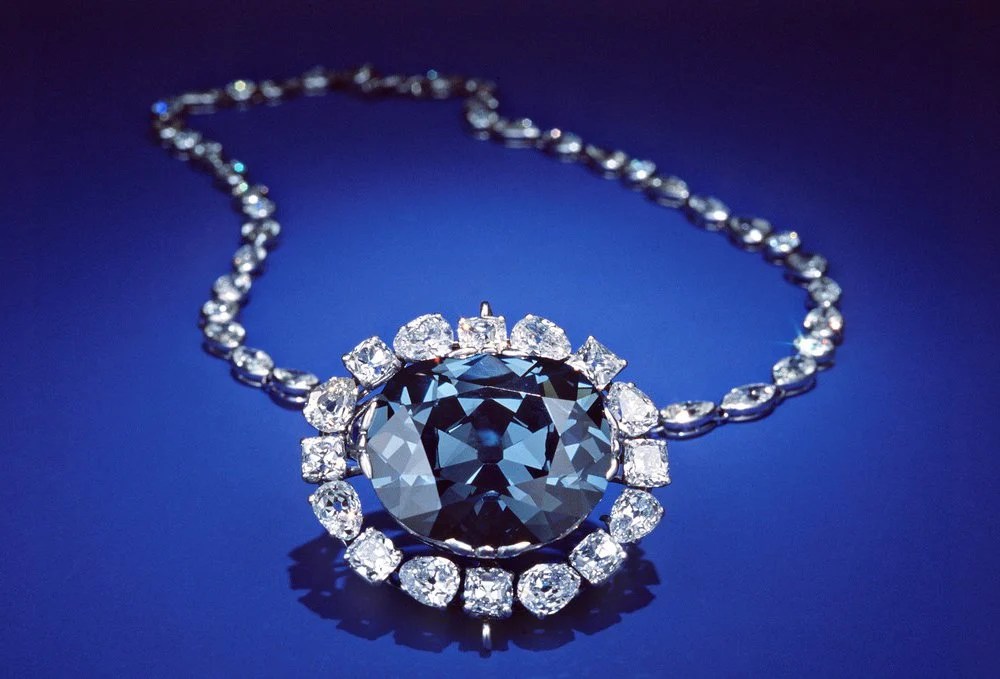
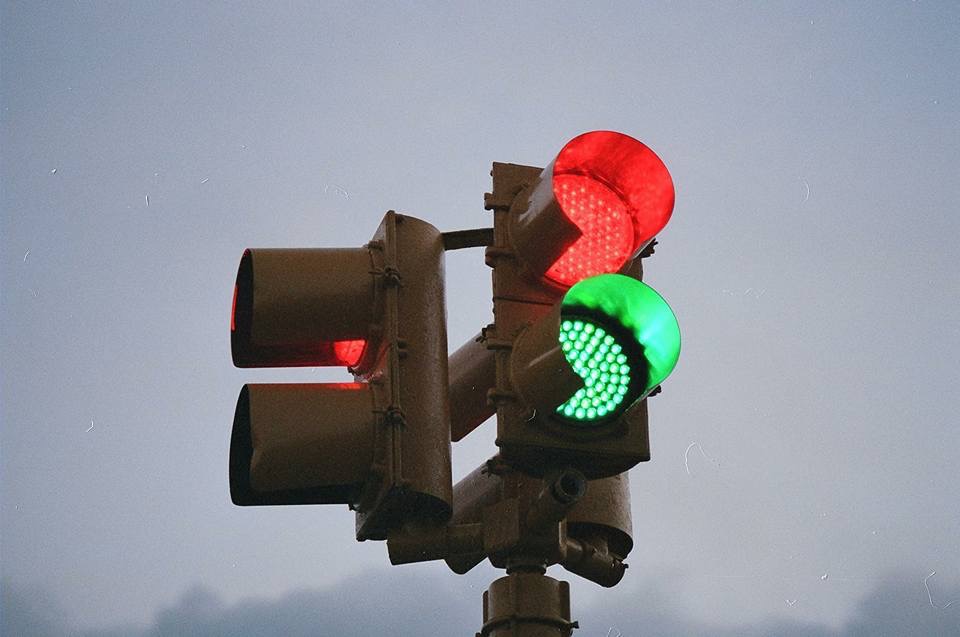
Does history affect value? In the world of traffic lights some think it does and some think it’s the only characteristic to price a light by. Some time back when I was fairly green (no pun intended) in the world of traffic light collecting a seller listed a signal on eBay. This was a standard red, yellow, green Econolite model , nothing extraordinary about it. It was listed for sale from a Texas seller, but like politics, here’s the spin; the seller claimed it came from Dealey Plaza, the scene of the Kennedy assassination and removed shortly after the assassination and they valued it in the tens of thousands of dollars! Within the community, this listing was scoffed and met with scorn for even if you could verify the location of the light and dates of service, the light itself had no bearing on the events of that afternoon. While the location is notoriously famous, it should have at best added a few dollars to the price and/or spurred a slight bidding buzz.
So how then does provenance impact the value and furthermore does that impact how you might approach restoration (or to paraphrase, should you spend your lungs out to refurbish a light? Are your lungs worth that much? Maybe a kidney?).
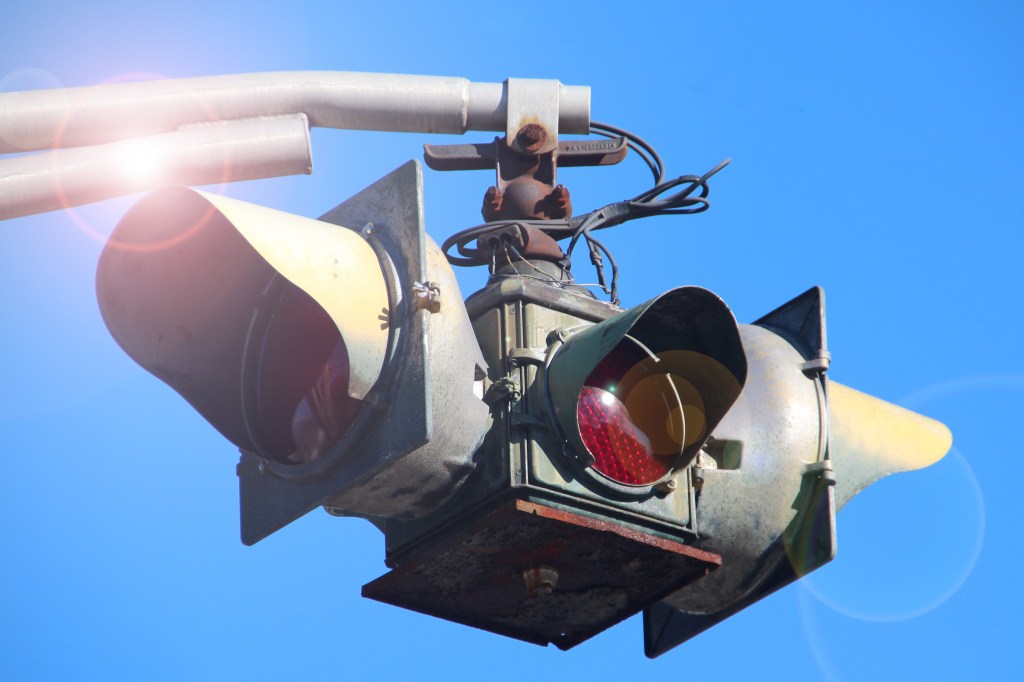
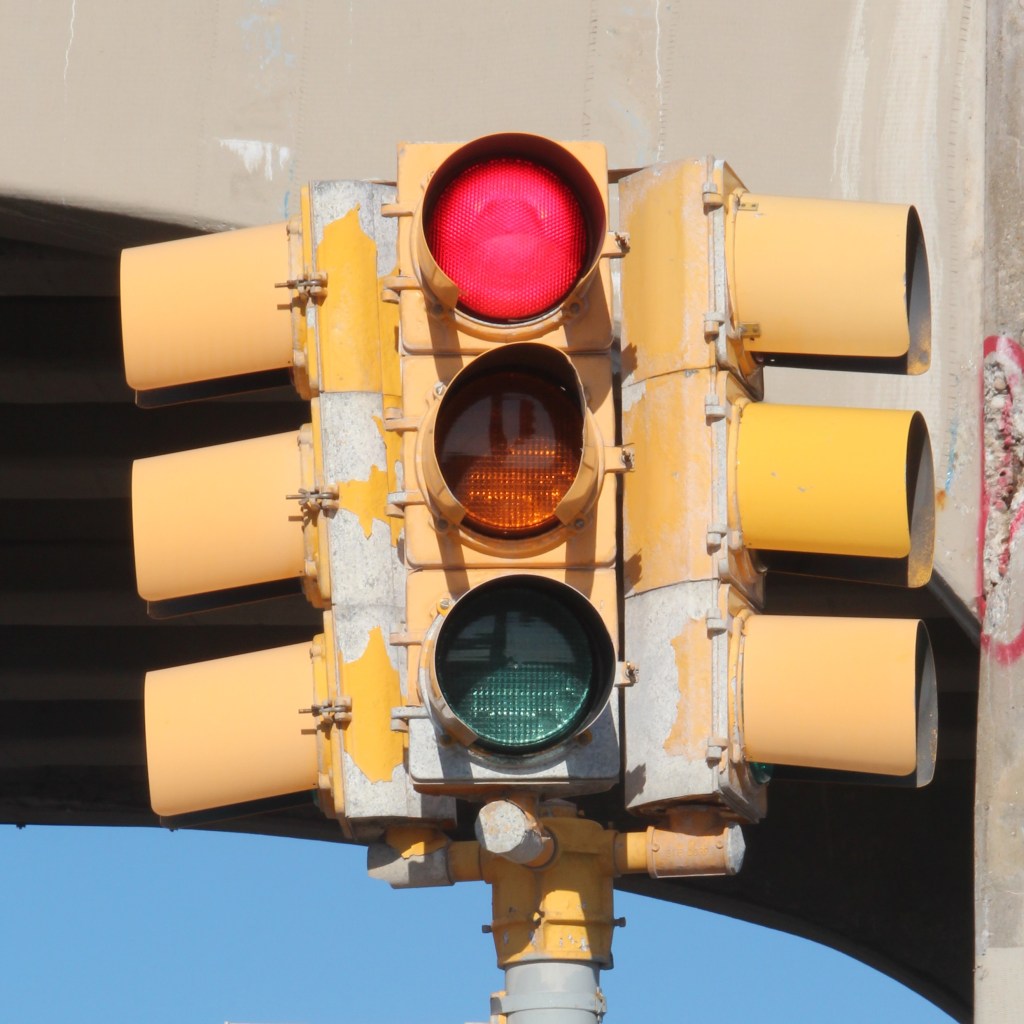
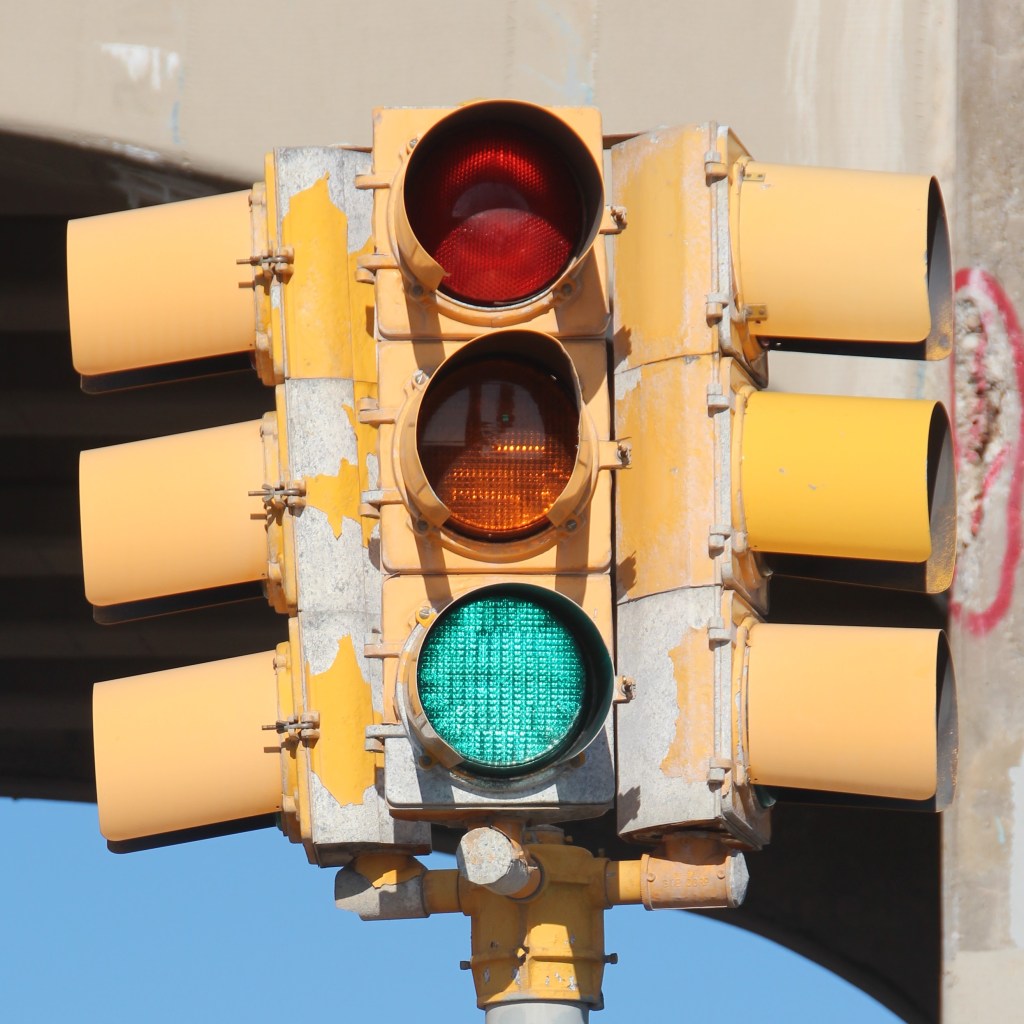
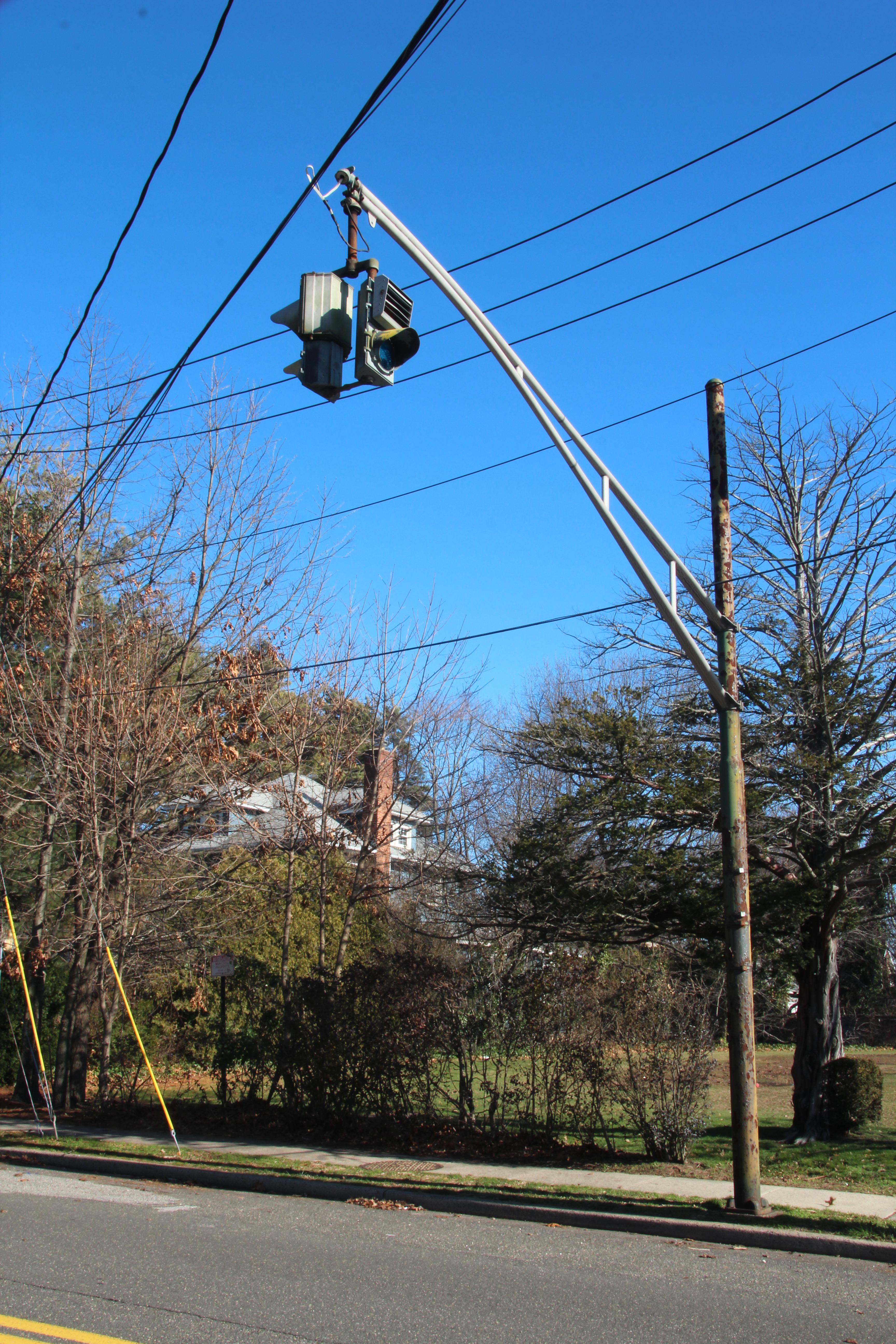
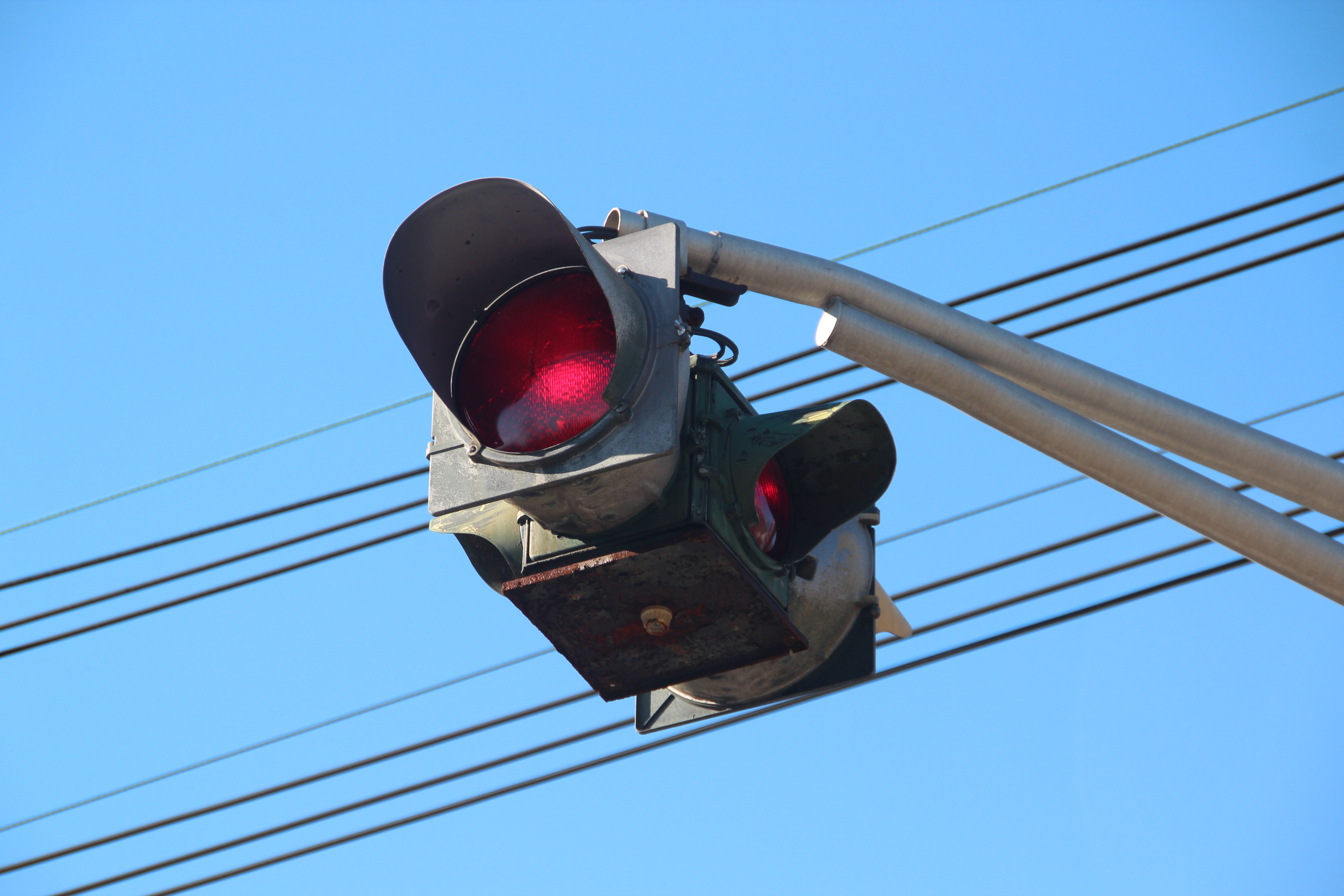
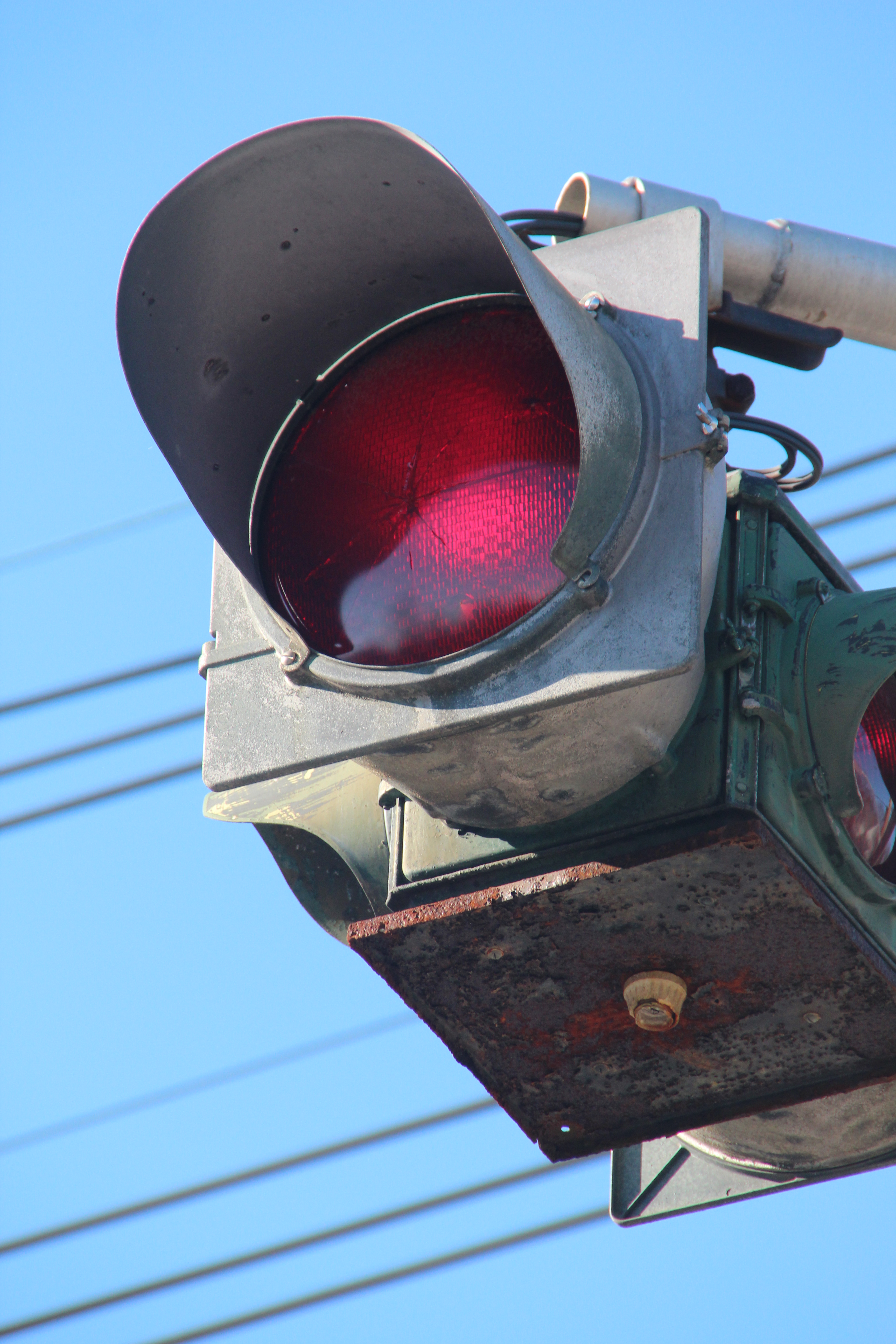
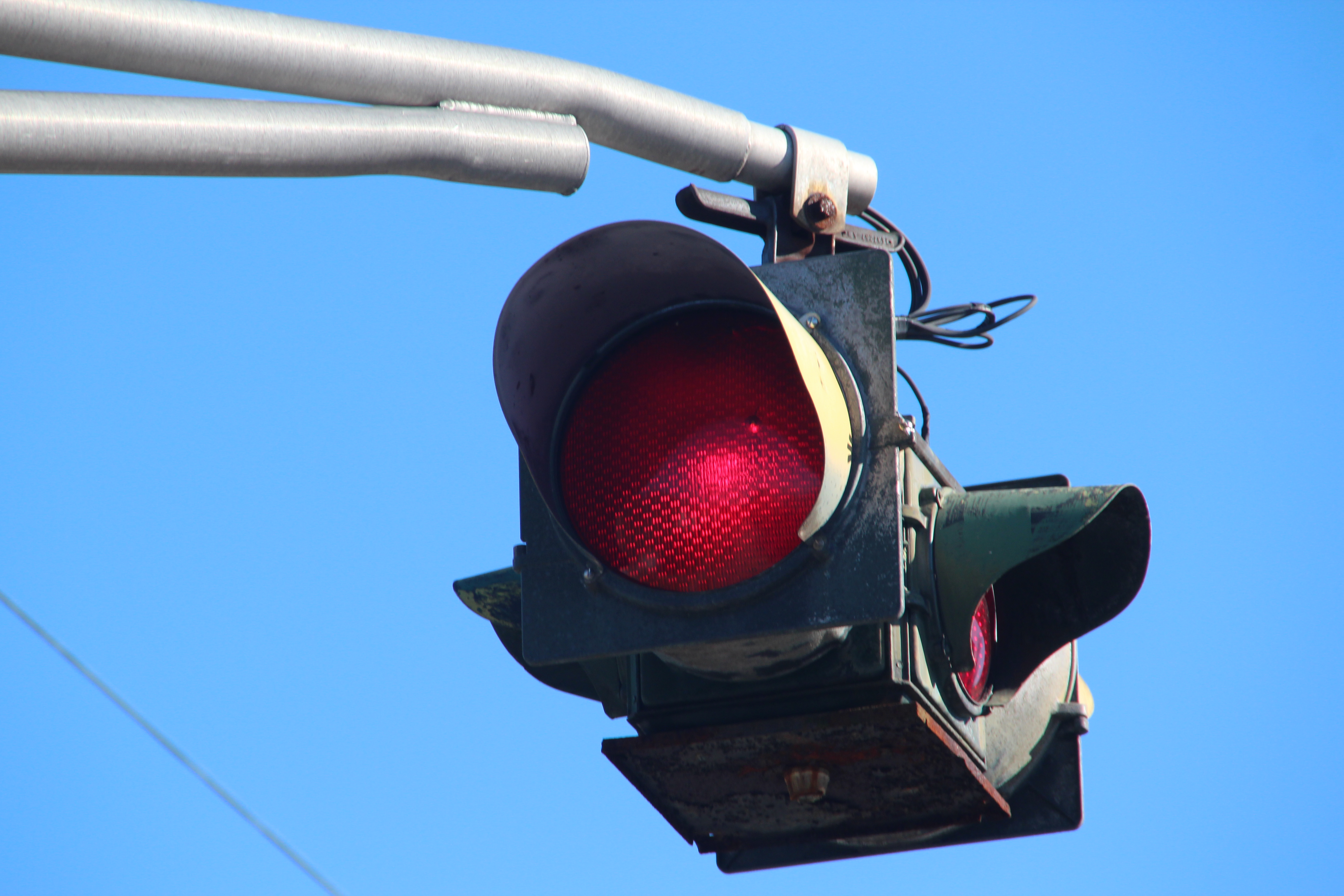
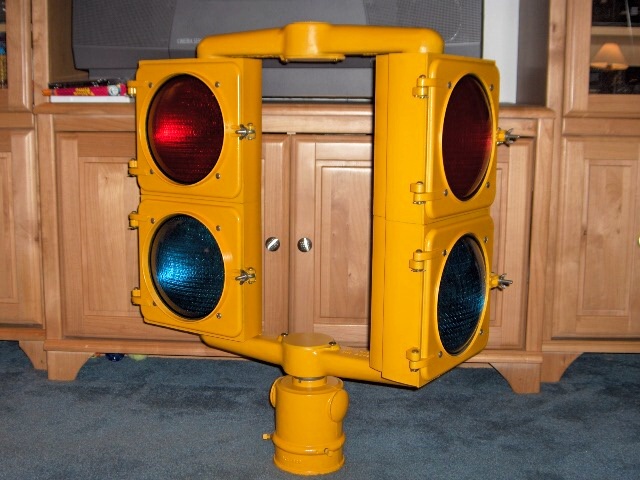
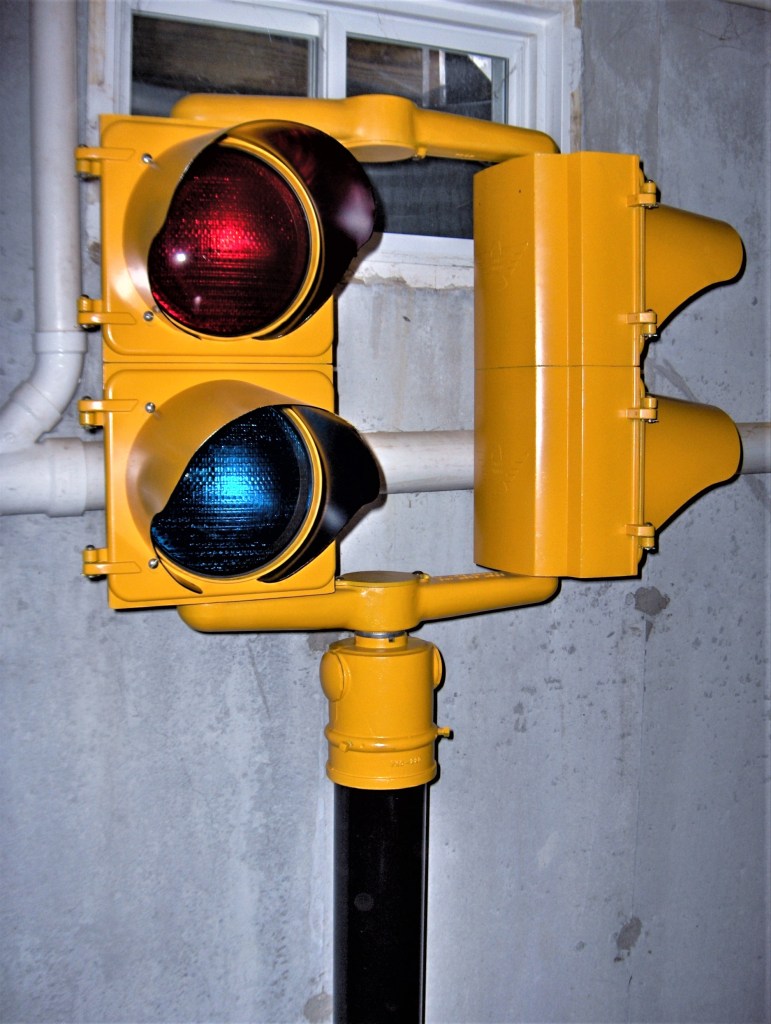
I reside in Long Island, an hour outside of New York City. People love the city (those who don’t live there). They look for souvenirs, memorabilia and historical artifacts of the city. Among signal collectors one of the most regionally specific and recognizable signals is the two section, four sided Ruleta. Those collectors seeking a signal artifact to commemorate the city (and wow friends and family) love the Ruleta for it’s iconic role in the signal history of New York City. Some of the cities oldest residents fondly reminisce about playing under them as a child or waiting to cross the street on the way to school.
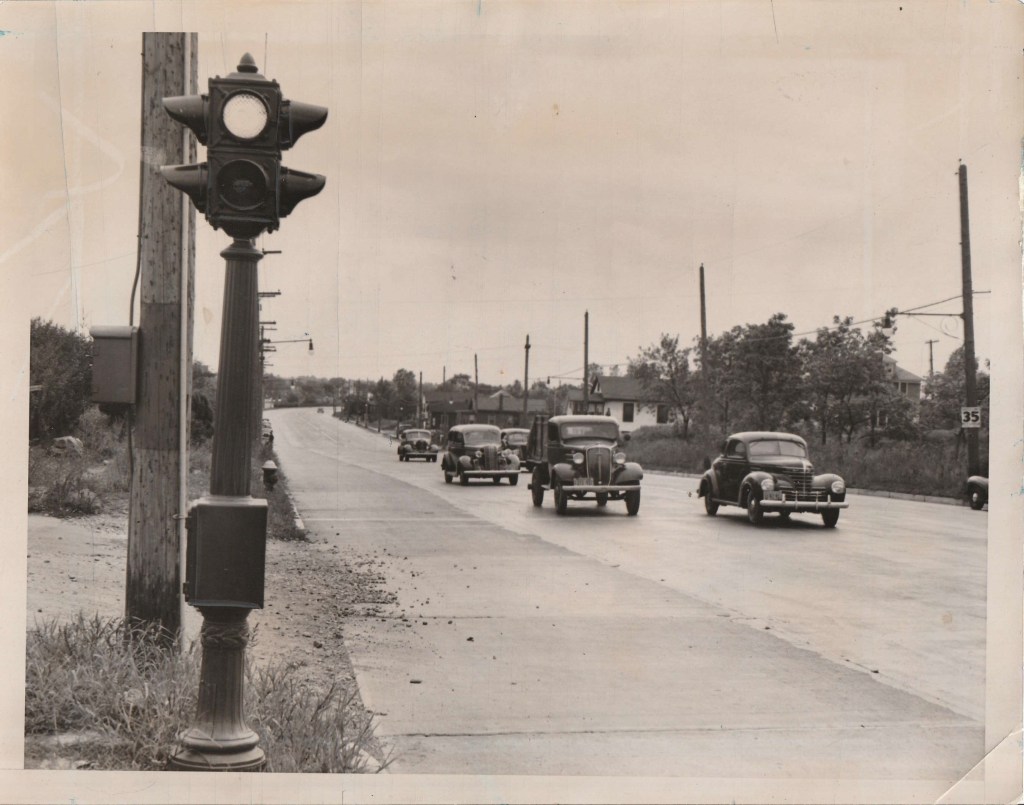
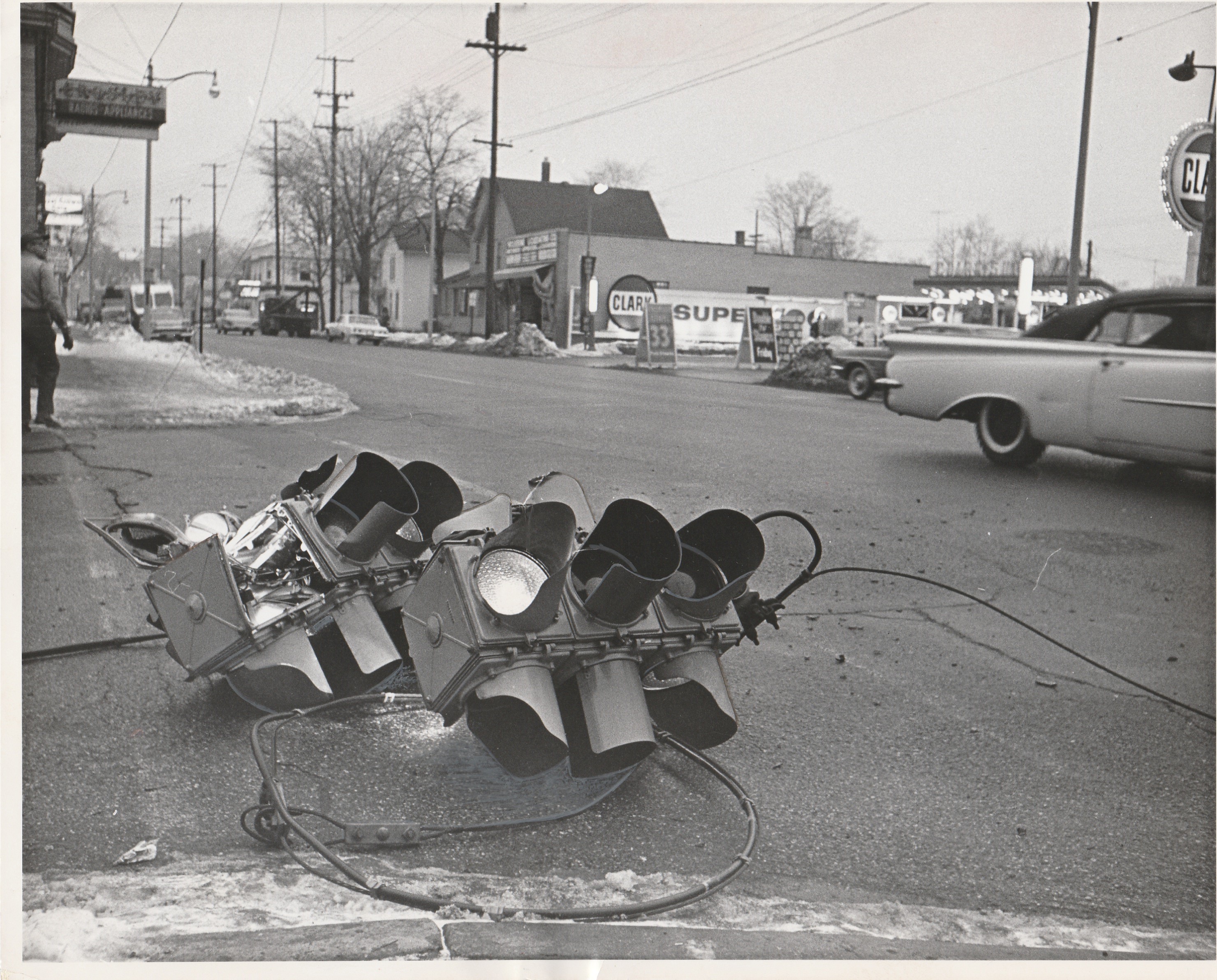
From the Staten Island Advance archives.
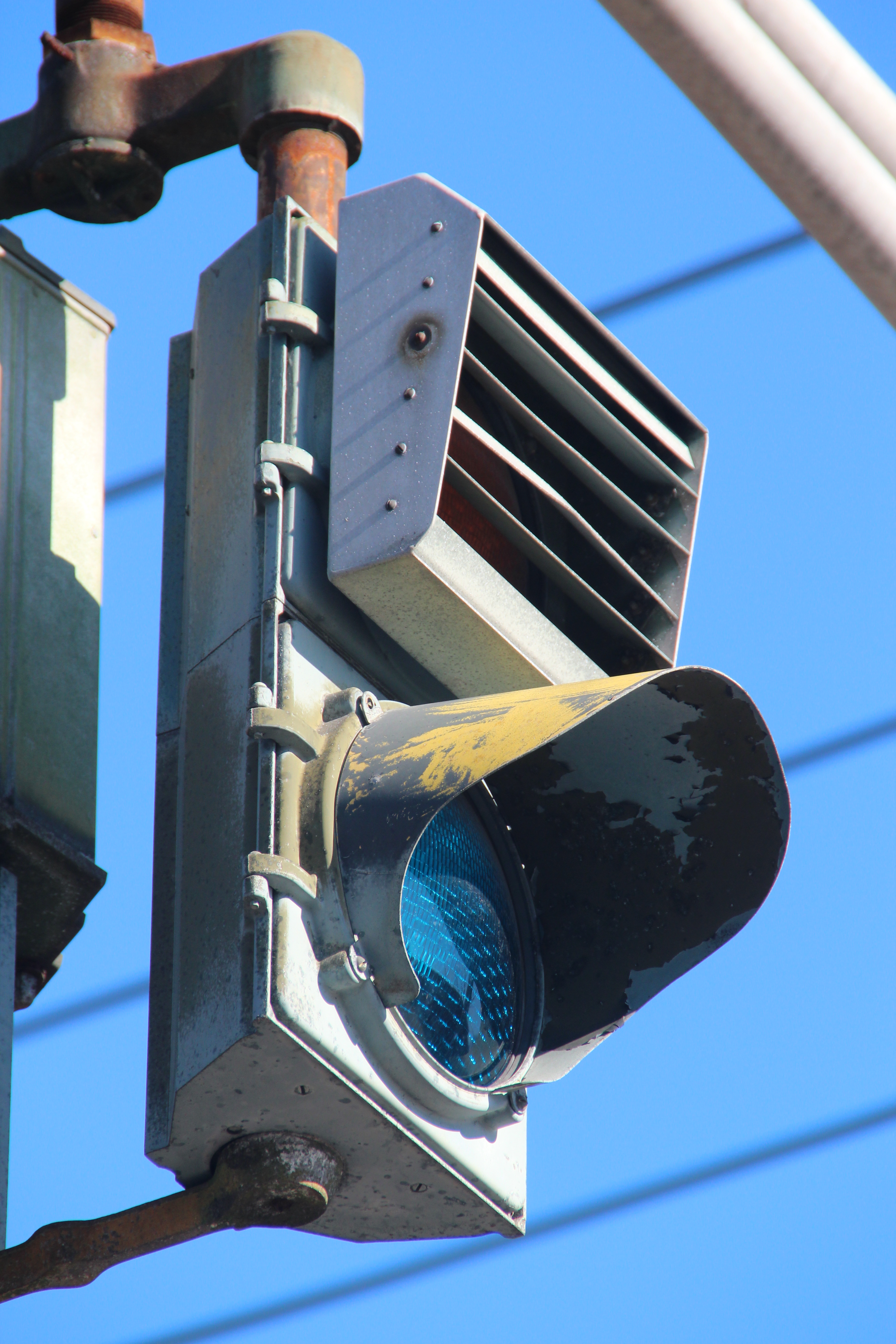
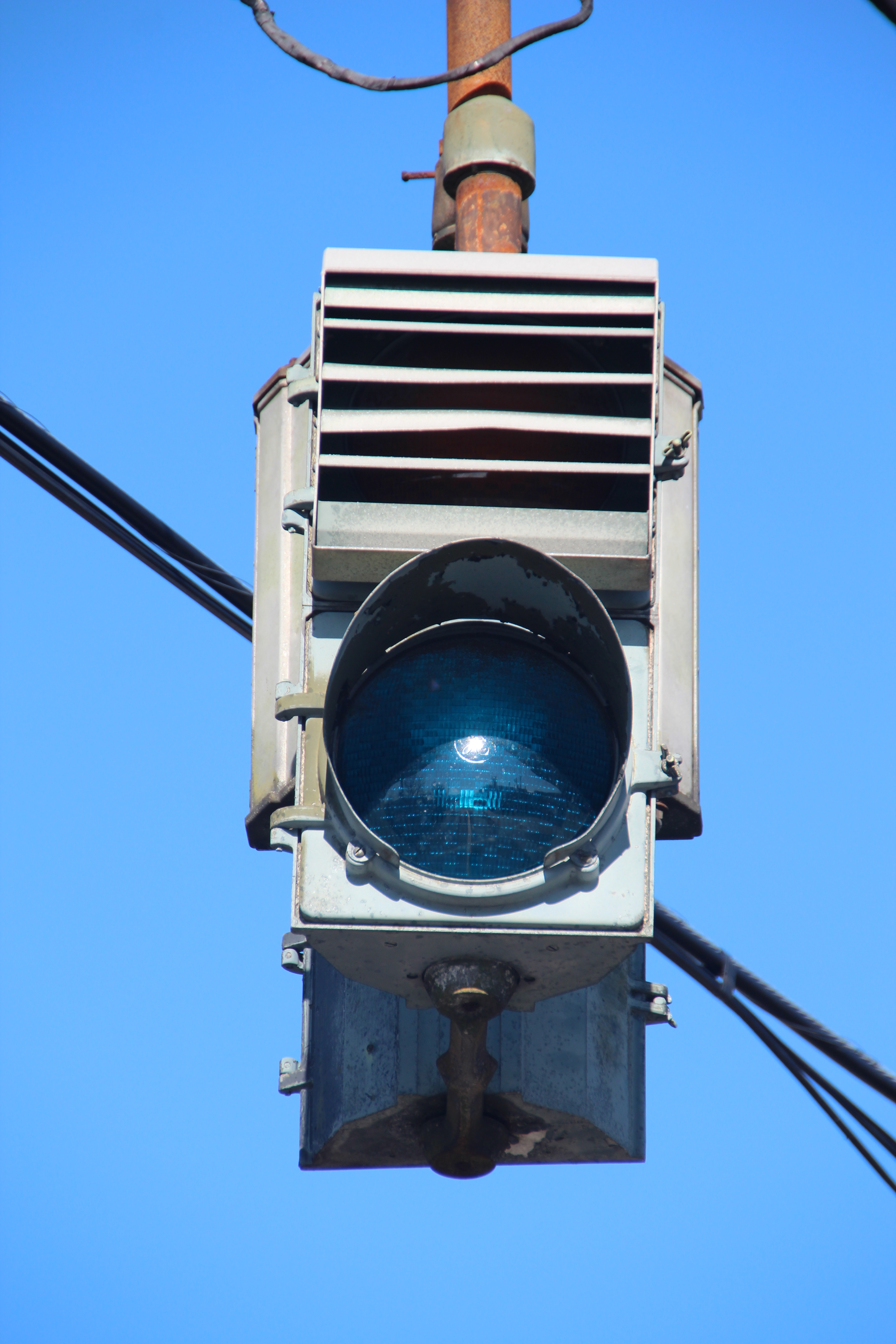
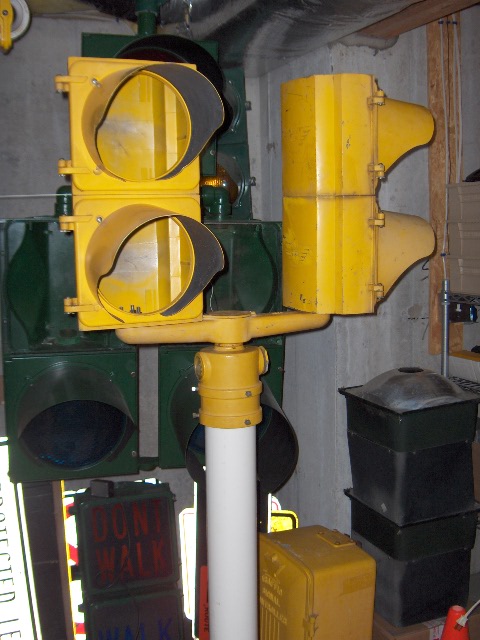
Ruleta’s are venerable, well built signals, a heavy cast aluminum, glass lenses and thick glass reflectors. Well built to withstand the rigors of use in a city with high volumes of traffic. Thousands were put in service. Many found their way in to private ownership after ‘retirement’ and in various states of repair as these things often do.
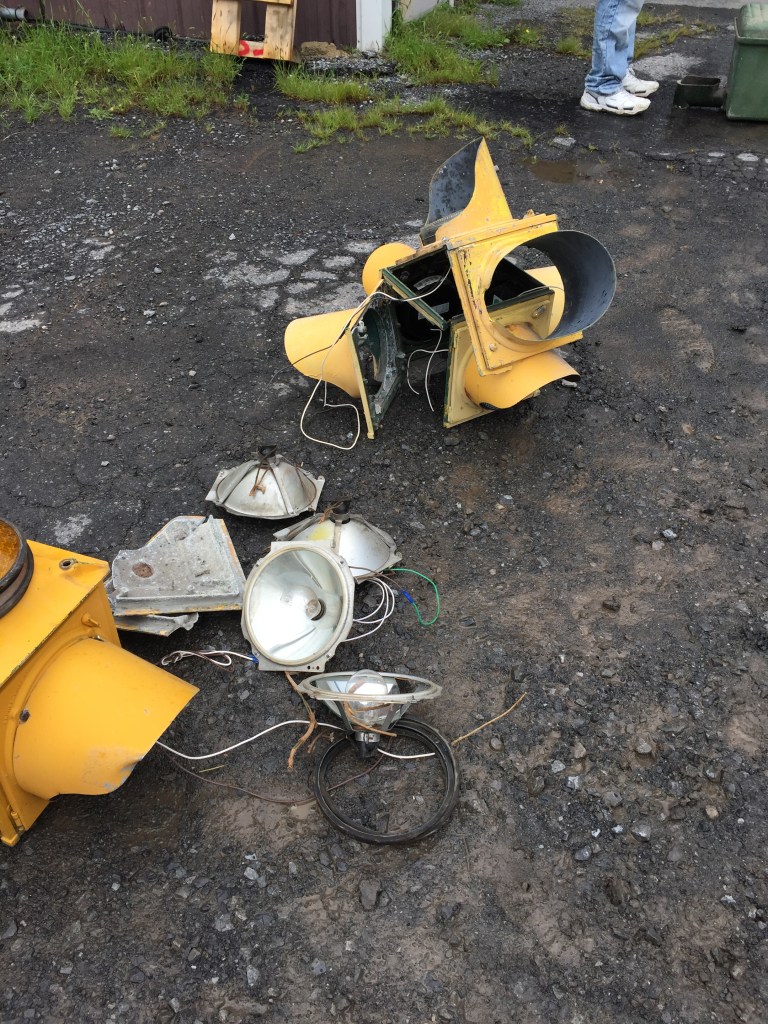
So when an enthusiast comes across one in not so perfect condition they have decisions to make. Obviously as a former New York City light you’d want this to look straight out of the factory new but IF you find the parts, what are you willing to spend?
Recently, in speaking with with a customer, Douglas L. with regard to his parts requirements, I began to think more about the purity in restoration and preservation. I looked through restorations from members in the community. All approaches require a commitment of time for one and a bigger commitment of (you guessed it) cash. But it’s a simple breakdown, in my humble opinion, as to establishing what your level of commitment might be.
Here are the tiers you have to chose from;
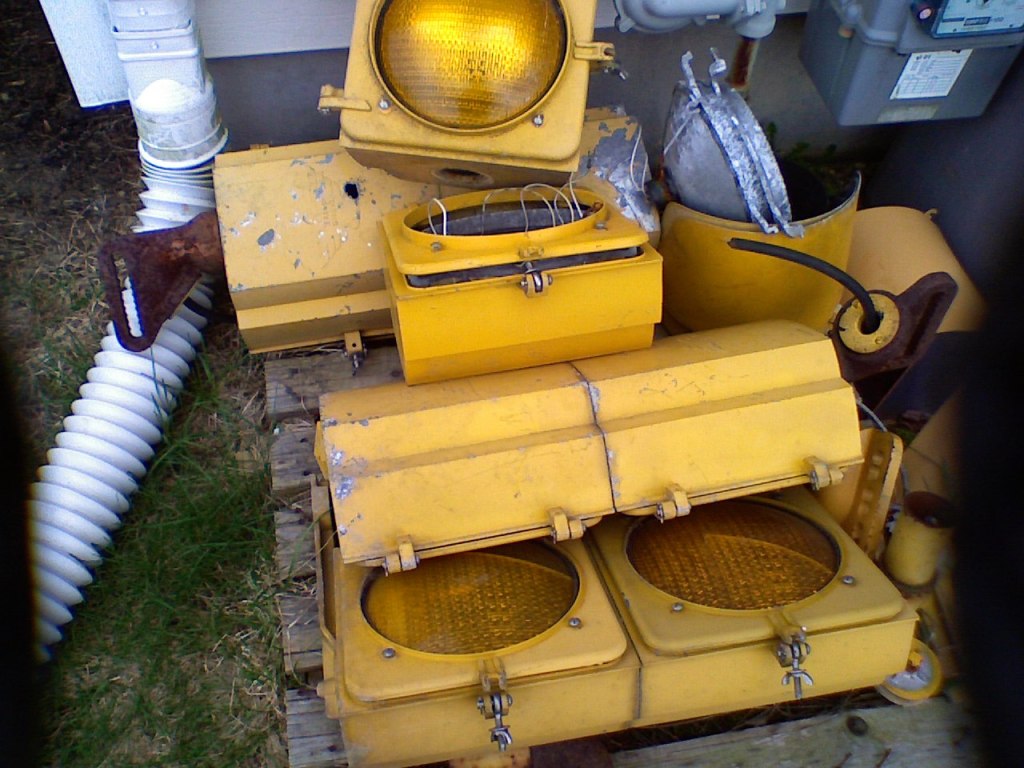
- Go all original – Do the research, spend time and find the original, replacement parts with no guarantee they will be perfect. A real possibility exists that a salvage light might need to be acquired for parts. This is probably the highest $$$ option
- Reproduction – If you have machinist skills, back ground or friends who are machinists or skilled with tools you have a shot a reproducing parts. If foundry or metal casting is needed then the cost could escalate to the highest option, otherwise consider this a high $$ option.
- Substitution – Because of standardization many parts from one signal brand may fit others and may be able to be used. In the case of modern lights, visors are a great example, Eagle, Marbelite, Crouse Hinds may be swapped for each other but their profiles are uniquely different. Things like door parts and terminals might not fit depending upon models and age. However sourcing compatible parts might be the best if you want a complete look but not the OEM finish. Consider this a medium $ option
Image credit ukn
Provenance, history will play the most important factor in your decision. Is it significant enough historically to spend months possibly years sourcing the parts or the money to reproduce them?
Collector Brian Angrick was fortunate enough to come across a Horni model 250. Though incomplete on one side, it was a showpiece.
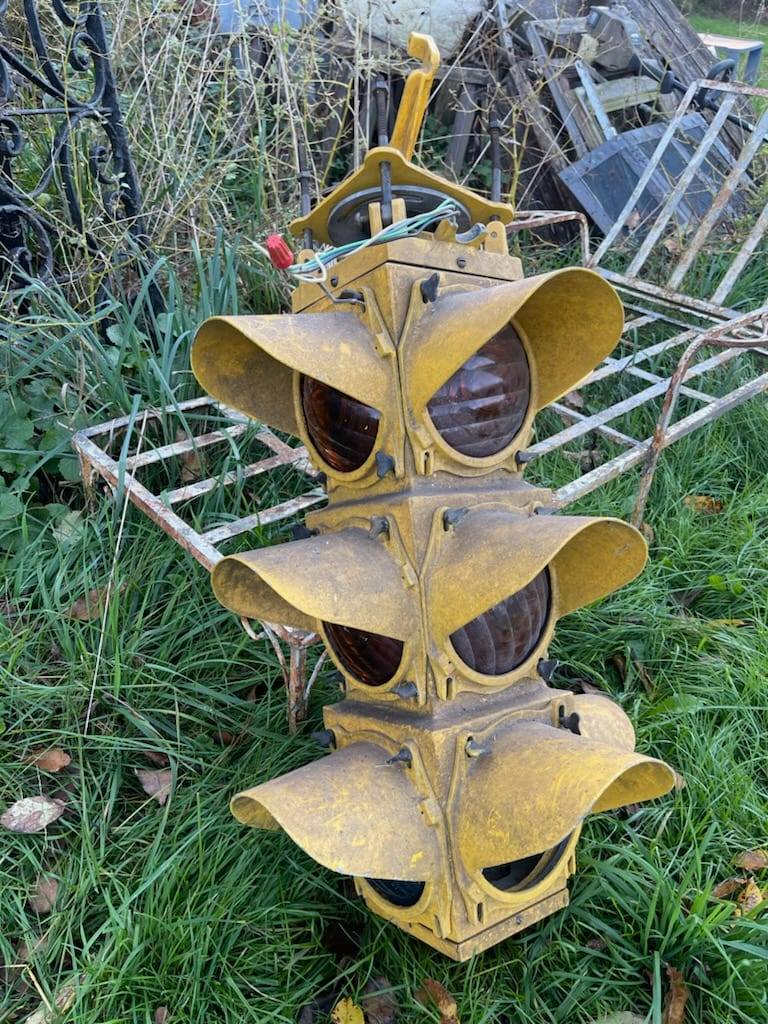
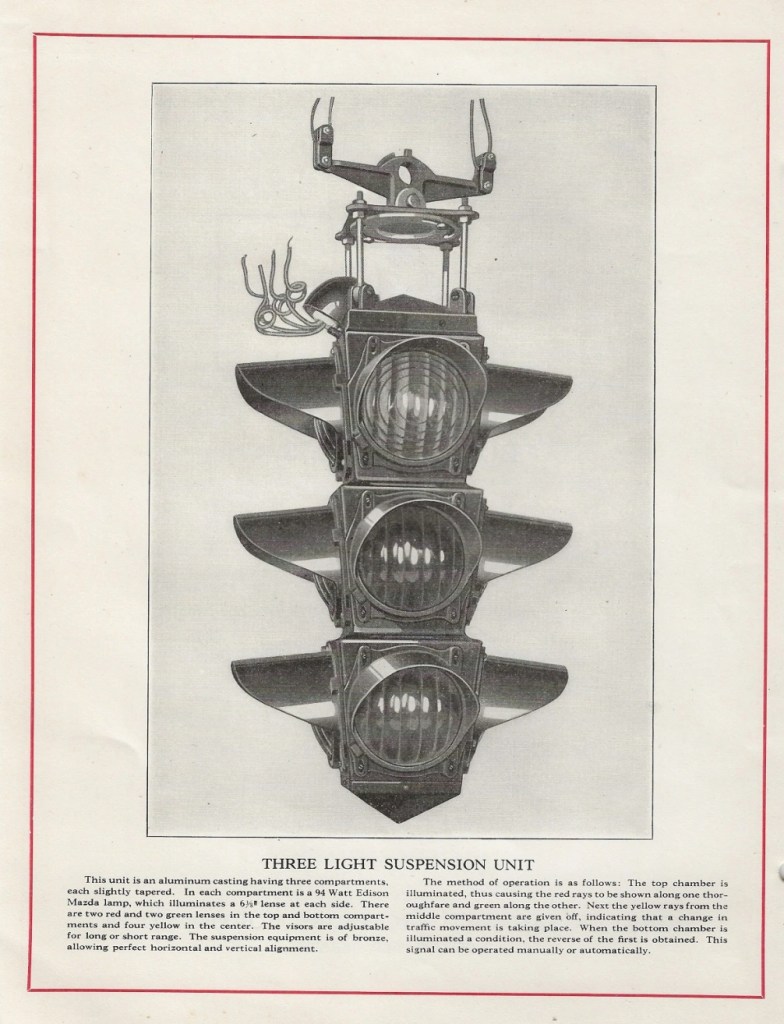

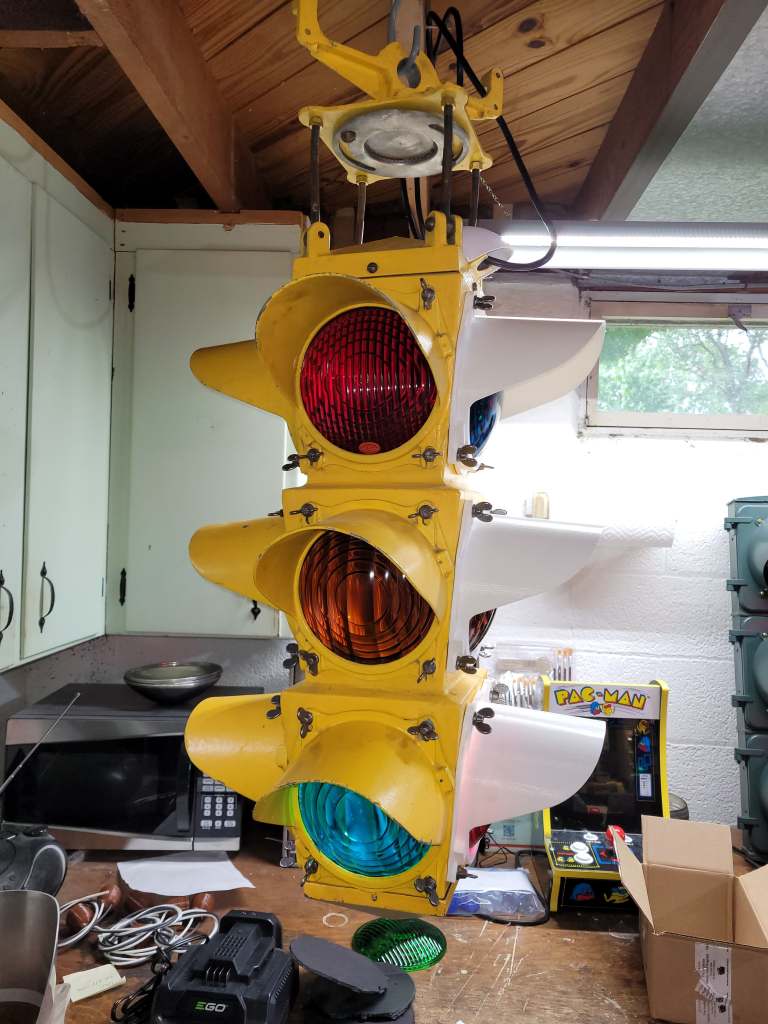

Bottom left to right: Brian’s photo showing reproduction doors different angle, though not finished, it presents well as acquired.
Brian wanted to see it complete and his first move was to contact a machinist and though he found someone to start the project, the finishing work was stalled and other machinists passed on the work. And cost was a factor too. But Brian is a determined guy and found an alternative. 3D printing in ABS plastic. Cost effective in comparison and it was what he needed to give the work a sense of completion. When painted, he hopes that there will hardly be anyway to tell the repros from the originals and moreover the light will be ‘complete’.
So here in the instance of this Horni, the provenance is in it’s history as a piece of equipment of the Horni Signal Corporation, a piece one could consider rare. Perhaps if Brian sells it one day, this additional ‘restoration’ will add to the intrigue if not the value. It’s certainly a piece I would enjoy having in my collection. Wait…I think I have a birthday coming up?
I sell signals and signal parts…
…on eBay and through Facebook. You can contact me at either site through the buttons below







 .
.

















 3 Feet From The Street