I don’t know traffic lights, not really. I know of them. I own many. I’ve sold many. Tinkered with many more but I don’t know traffic lights. You see, I’m not a traffic signal technician. A much as I would have enjoyed working in that industry, it was not to be. Steered in another direction in my younger days, it was thought that no money could be made in that field (right now I can hear couple people laughing).

So I went in another direction, then another and so on and so on, until I found a home…
Well, it pays the bills anyway. You know already, that I began to collect in ernest and finding lights in disrepair made for better buys. Although I love the oldies, the newer stuff came easily and was great fodder on which to practice restoration skills. I’m handy at home, versed in tools from years of watching television home shows. I’ve owned 2 homes, built a deck, plumbed an apartment kitchen, assorted carpentry projects, the list goes on (and on and on, at least the one my ex-wife had, did.)
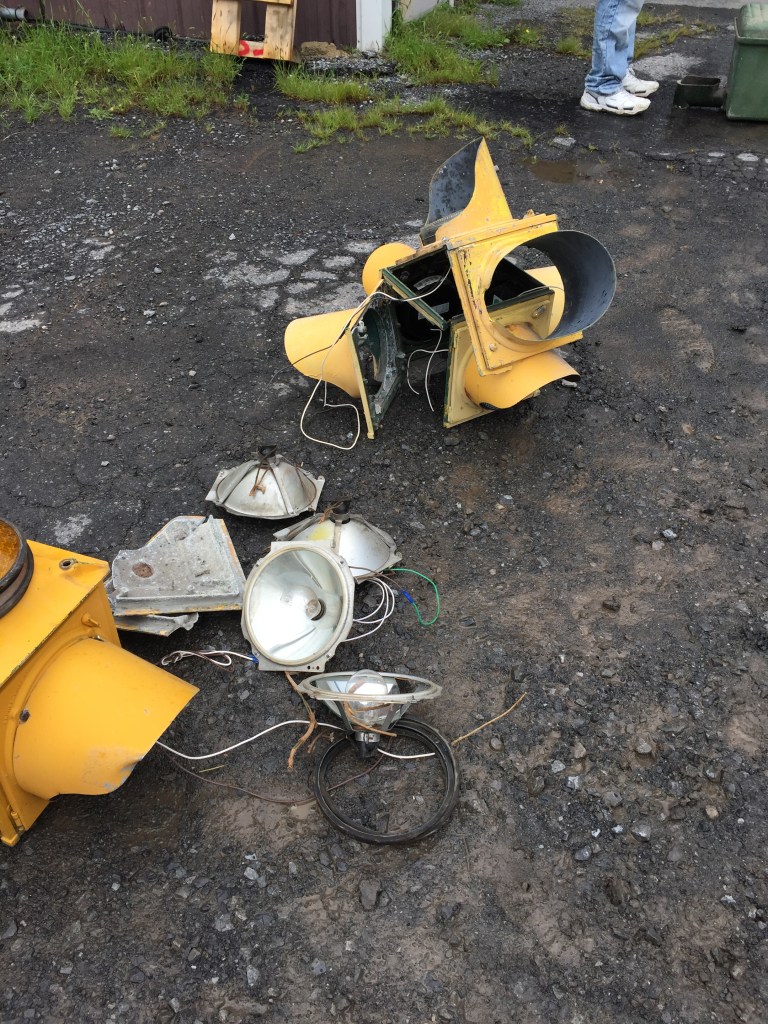
By now I’ve seen bunches of traffic lights in various states of repair.
I’ve became familiar with the basics and I’m able to wire simple circuit board controllers to allow my signals to work as they do on the street. I do, in fact sell these little circuit boards.
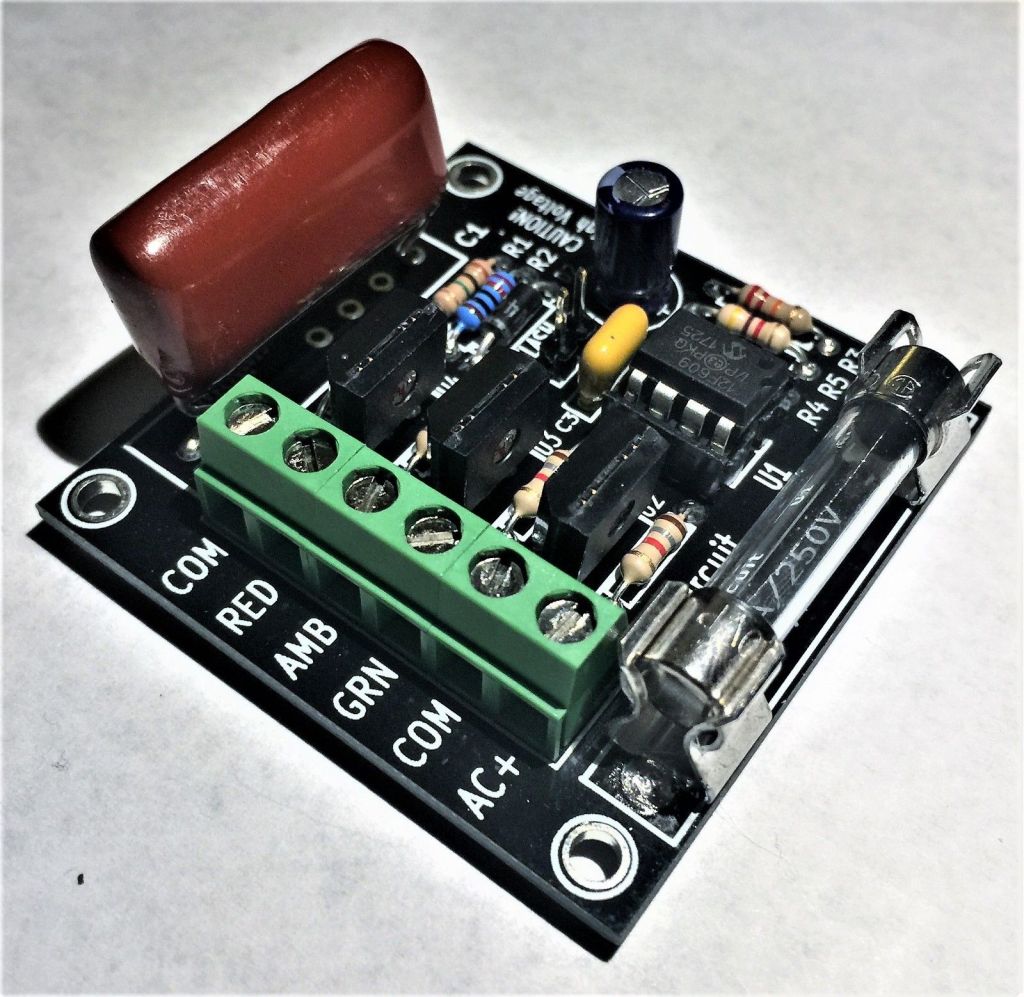
If you are interested in purchasing one, you can contact me thru the
button below.
If you’ve had an opportunity to look inside a modern traffic light you’d see it is probably one of the simplest devices invented with one of the most sophisticated tasks assigned to it. Incandescent versions are a socket, reflector and light bulb enclosed in a housing with a lens and a visor. A while back I took it upon myself to make what I referred to as an homage to New York City two color lights.
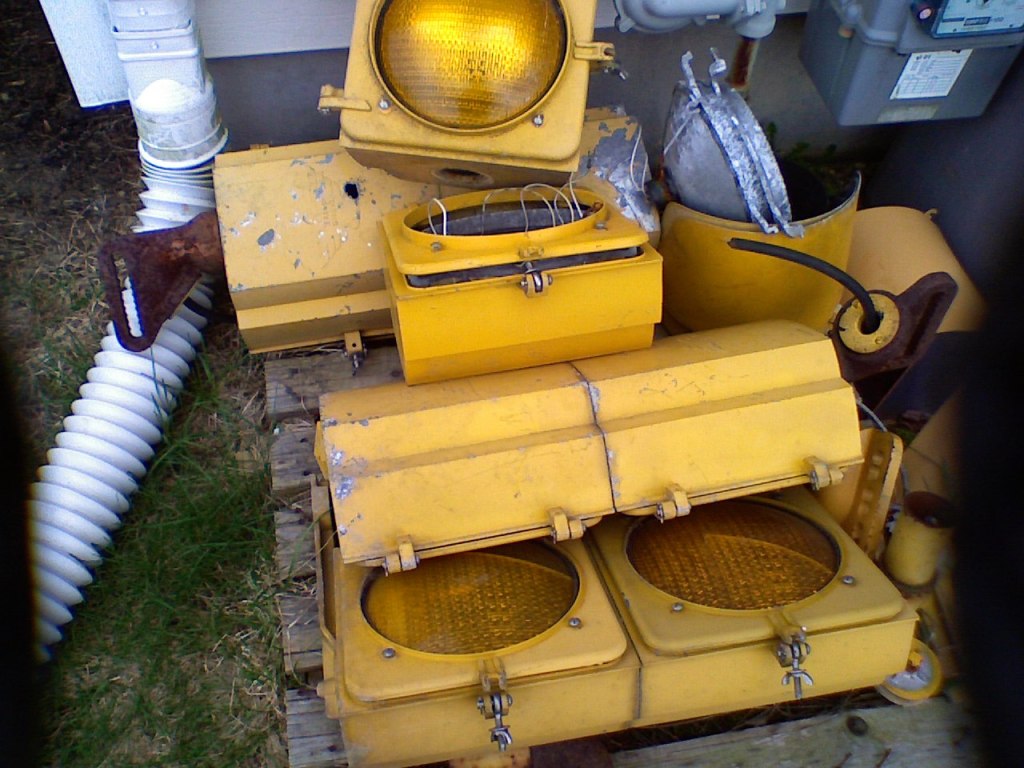

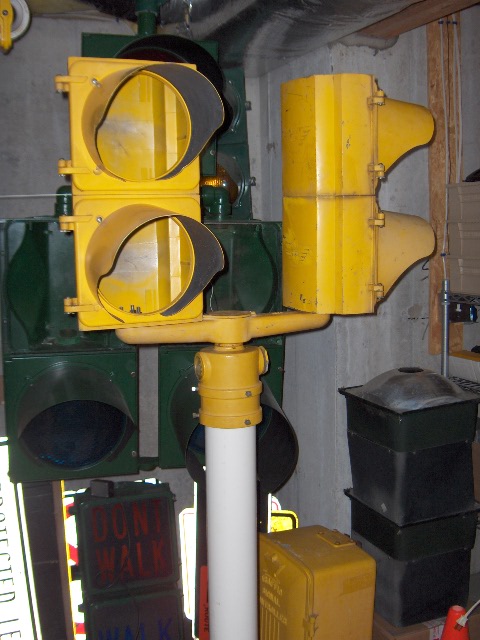

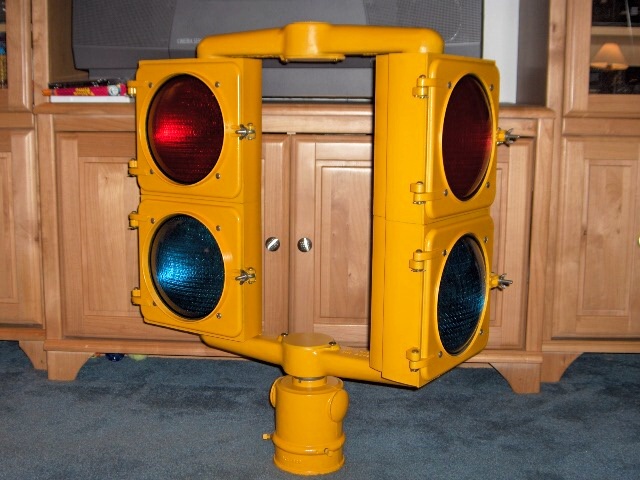
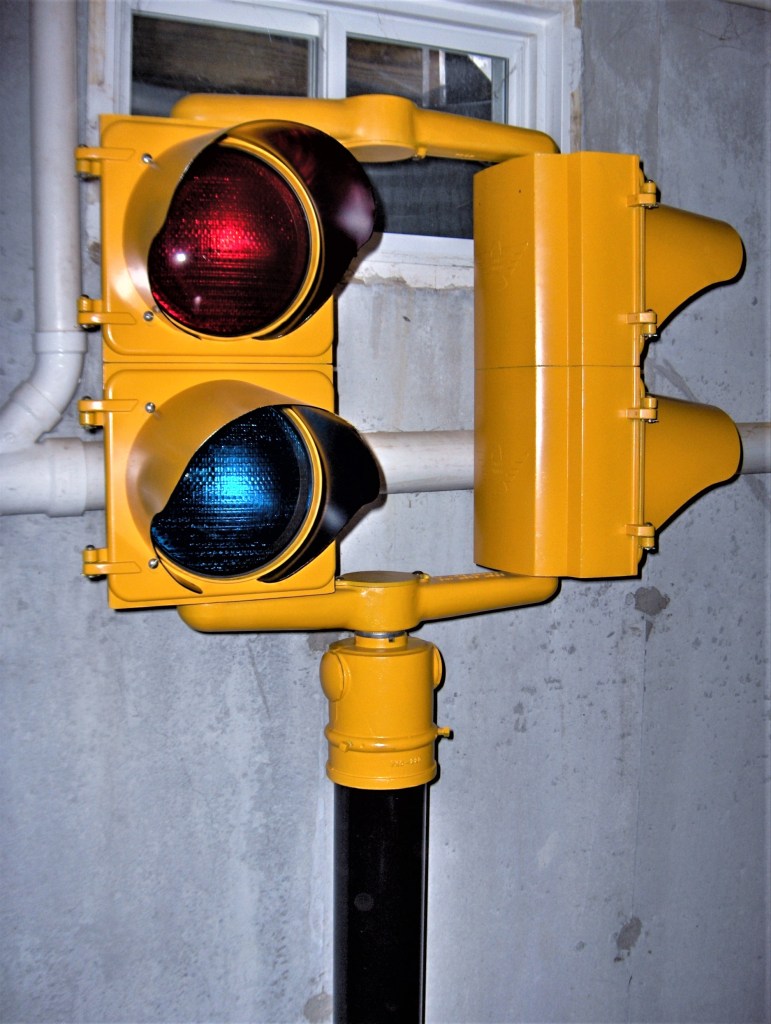
I was fortunate enough to have everything I needed in a small pallet of signals and was able to construct my ‘homage’. All I needed was a little elbow grease and patience. If you can make your first restoration a simple, successful one, it will give you the confidence to move to the next and possibly more complex project.
When the LED transition happened, signals themselves became a simpler construct.
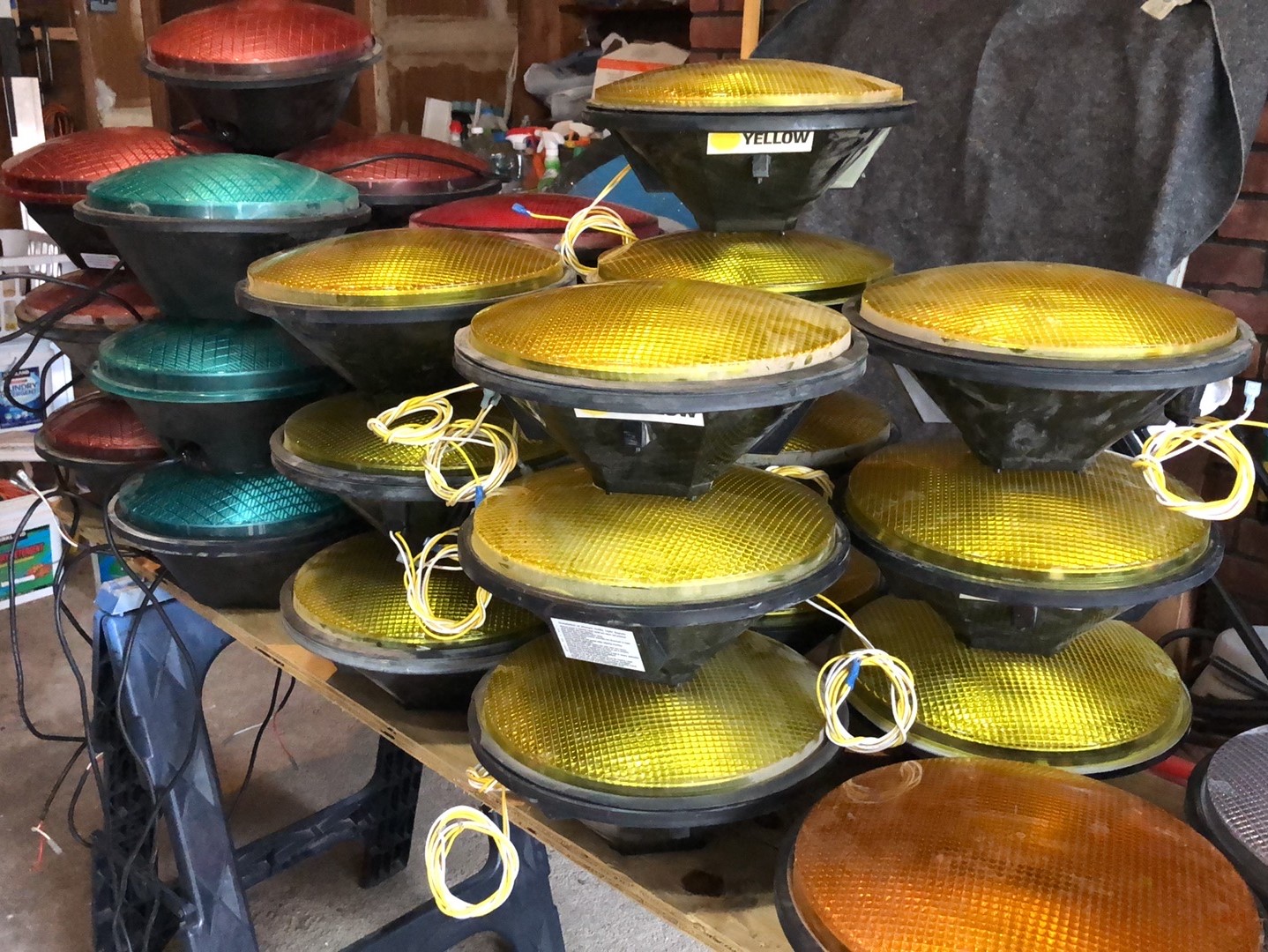
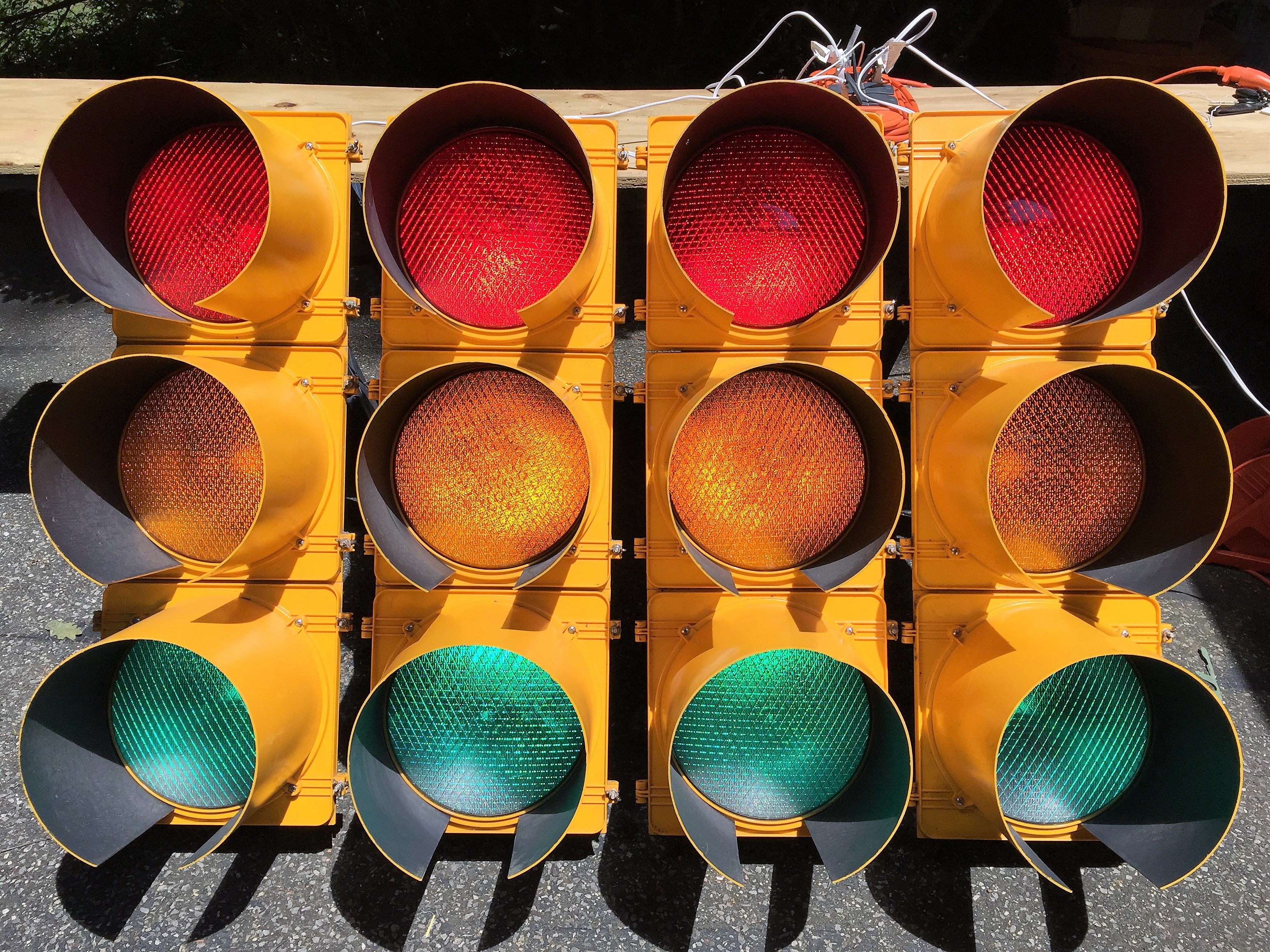
While LEDs can be an entirely different conversation (and will be down the road) there are those who are die hard incandescent fans. And then there are those who appreciate both. Early LED units were unattractive, often referred to as ‘pixilated’ and primitive by comparison to today’s units. This contributed a great deal to wide spread early dislike among collectors.

Let’s face it, glass lenses definitely gave the lights a certain style though the intent was the broadest distribution of light for the greatest visibility of the indication.

Yet even with modern heads there are details that can come into play as you begin your restoration. First, what are the obvious defects? Broken glass lens, body damage, missing visors, missing parts?

The newer the signal, the less of a scavenger hunt you will have for replacement parts. However, older heads, let’s say 20’s thru the 40’s, could require some legwork to find parts. It also depends on the brand/maker of the signal. Even within a specific brand you have to make sure you know what you’re looking for.
Manufacturers sometimes changed production techniques within specific models for whatever reason they deemed was required. For example; Eagle signals had a couple of different door styles that had variations on the hinges. One style simply allowed the door to be lifted off the body by simply removing a clip, while a different style required pins to be removed as well. This is a little more labor intensive and a process which could damage the hinge on the door or body itself.


This is just one example. Eagle also had cast visor doors in which the visor and door were an integral unit and incapable of being separated without power tools which of course changes the integrity and value of the light forever. Then there were different body styles and a merger which led to even more changes all while still retaining the Eagle brand name on the light.
“Like a bad game of Life, mergers happen…“
Want complexities? Early on, many brands had proprietary lenses. The aforementioned Eagle had a fantastic ‘stop/go’ crossed flag logo on their lenses and as you have previously seen, Crouse Hinds had command lenses as did other brands of signals.
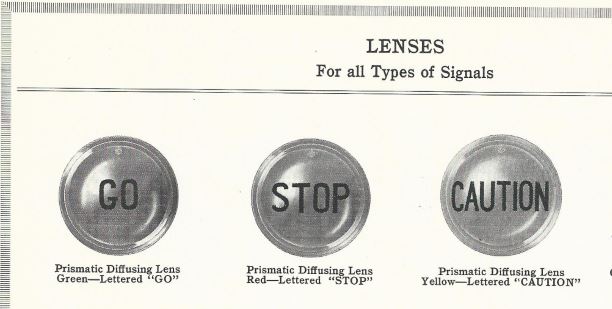
They also had a lens popularly referred to as a ‘Smiley’. There were few incarnations of the smiley lens, the first being a ‘large bead’, then a ‘small bead’, then a ‘faint smiley’. The term ‘bead’ referring to the pattern just above the ‘smile’ on the lens. Marbelite signals sported lenses with their famous logo an ‘M’ with a lightning bolt thru it. That came in two variations, one called a ‘long bolt’ and one called a ‘short bolt’ and that only continued until they retreated to a lens commonly produced by Kopp glass aptly entitled by collectors as ‘saw-tooth’ (and reviled by many of those same collectors for reasons I know not why).
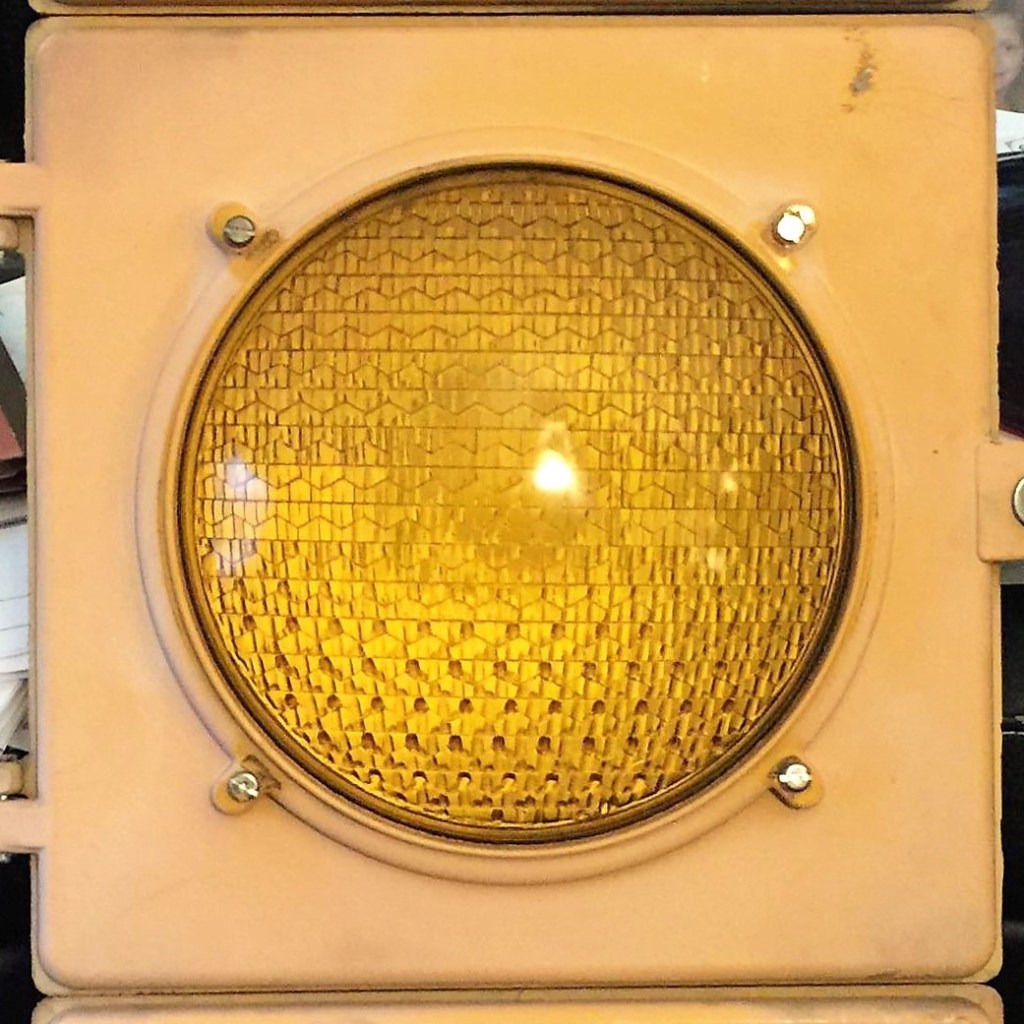
Corning, Kopp, Holophane, Macbeth-Evans, all manufacturers of glass lens for traffic signals, however nothing lasts forever (except that damn chores list). Like a bad game of Life, mergers happen, companies go bankrupt, budget line items are trimmed. Product lines disappear to history. The challenge increases.
Fill in the restoration blank of your choosing. pedestrian signals, lane control signals, school zone flashers, controllers and what else? There are tons of old lights out there, what will you restore?
If you have a great old signal or even a newer one you’re seeking to return to glory, you’ll need to play detective and not only find out what parts were appropriate with your project but where they are. That is part of the fun for some. Remember if you want your light to look like it came off the factory floor you have to acquire the knowledge. This way you can make it..right.
I sell traffic signals and parts on ebay. I can also be found on facebook.

 3 Feet From The Street
Love that scavenger hunt! Glad to have met 3LG along the way. Great article, Randy!
LikeLike
Thank you kindly. Yes one of the benefits has been meeting some fine people along way,
LikeLike